Making Fire
Period covered : pre-1826
The history of the human race is intimately linked with fire, from the earliest human beings up to the present day.
Early man (Homo Erectus) would have learned how to capture fire from the natural world, but it was the discovery of how to make fire which was a turning point in human evolution. Charles Darwin regarded it as the greatest discovery made by humanity excepting only language.
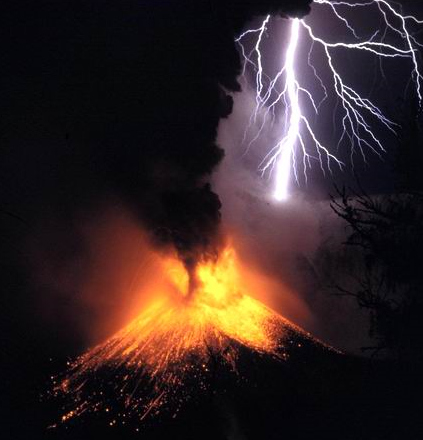
The fire that exists in the natural world, where volcanoes spew fire, lightning strikes cause fires, and high temperatures can cause wildfires, would have been terrifying to early man.
But eventually the inquisitive early humans faced down this fear and started experimenting with fire, discovering many benefits :
- to frighten off animals
- to cook food. This not only made it easy to eat, more palatable, but also more sterile. The heat killed the bacteria present in old meat rendering it edible for a longer period. This in turn meant that it was not necessary to hunt every day
- to provide light at night, meaning that humans were no longer tied to the rising and setting of the sun
- to provide warmth when it was cold, instead of having had to huddle in the corner of the cave under animal skins
Fire was a treasured possession that was nurtured and cared for. It came down from the heavens like a gift from the gods. If man moved, then the fire needed to be carried as a burning ember. If the fire went out then it was lost, and the only hope was that nature would provide a natural fire that man could borrow.
Population densities were low and the chances of stumbling across a friendly neighbour to borrow fire from was quite low. However, it was the ability of fire to provide warmth that enabled man to colonise colder regions of the world and after man had conquered this fear of fire Homo Sapiens quickly spread over the entire surface of the globe.
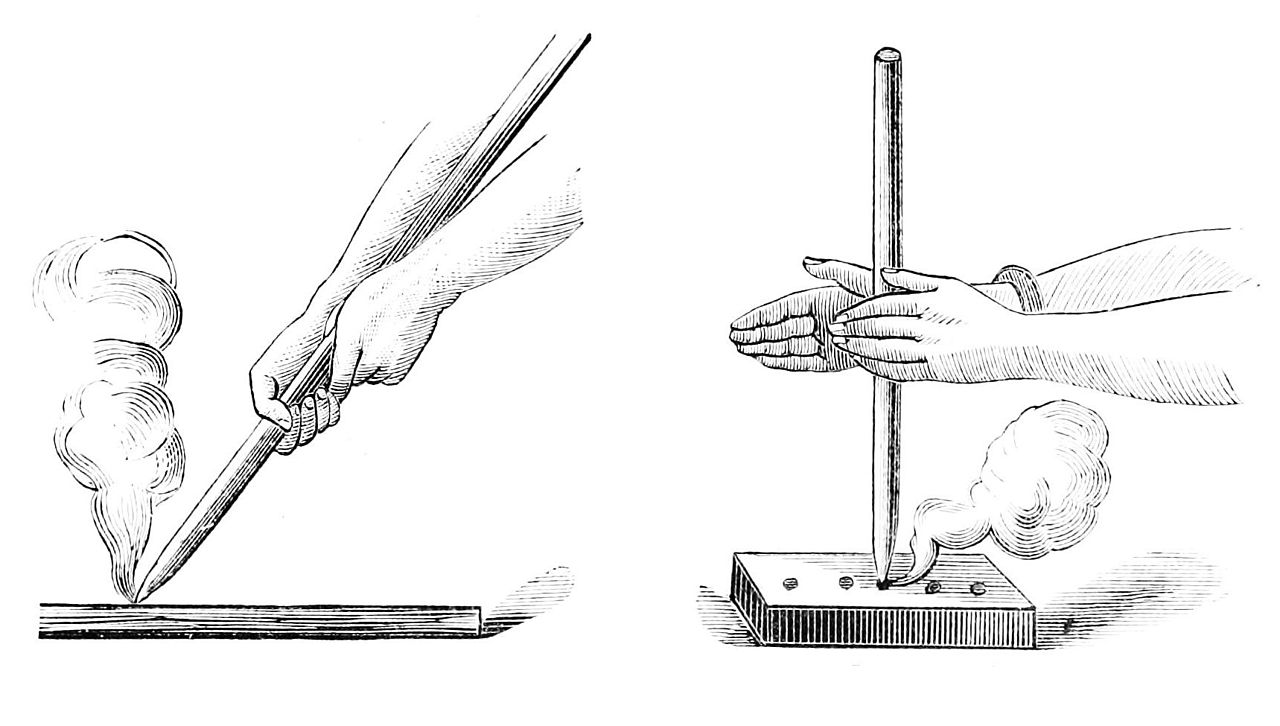
Learning to make fire
Finally, man learned how to make fire but it was not easy. Fire could be made by rubbing two pieces of wood together, known as Fire Drills. The heat produced by the friction causes the wood dust to smoulder and upon blowing sets fire to the tinder. Later, man learned how to strike sparks with flint.
Fire making was highly skilled and often those with the skill were revered in early societies, it is likely that the skill was closely guarded by the priests or medicine men of primitive societies (fire was regarded as a gift from the gods). Some tribes even had a “keeper of the flame”, someone whose sole role was to ensure the flame never went out. Even today fire still plays a part in many religious festivals.
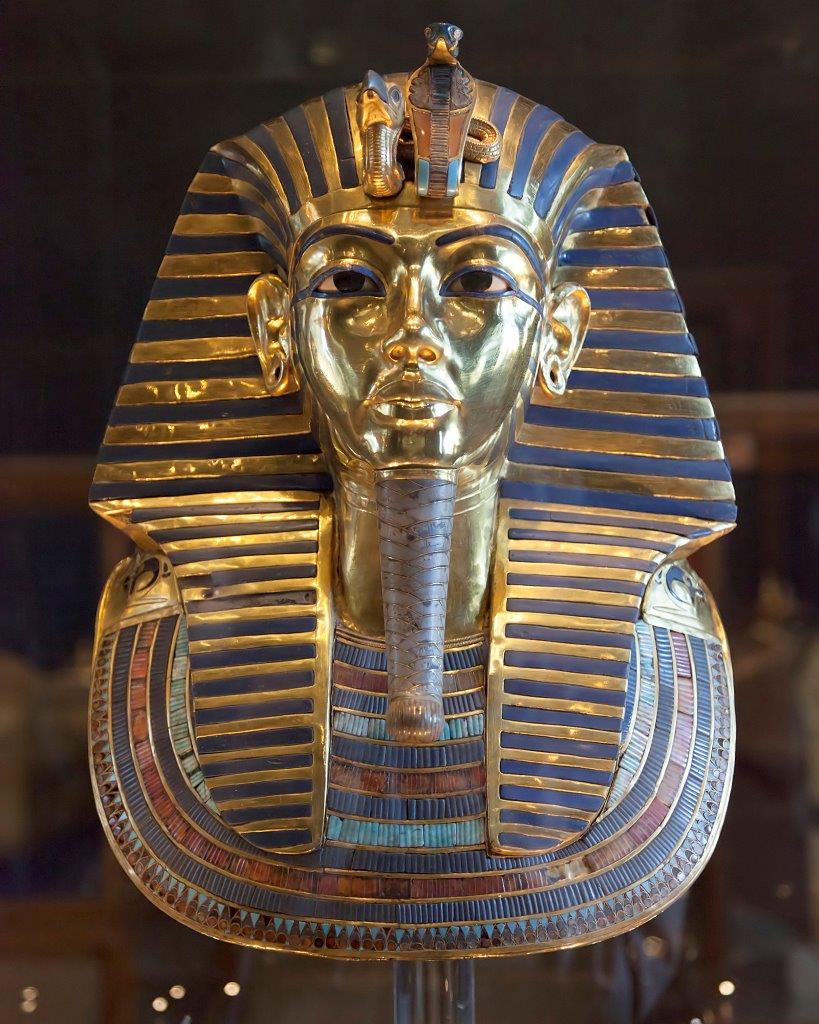
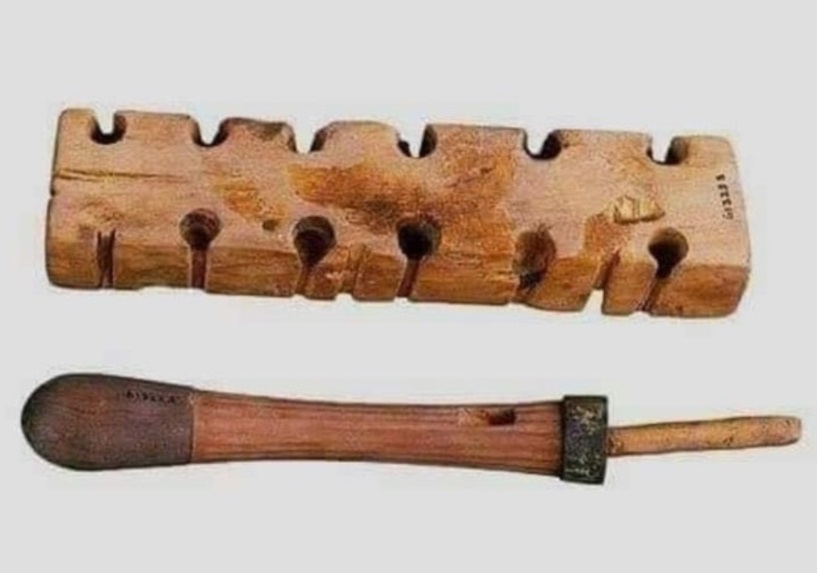
It is therefore no great surprise to discover that in his tomb King Tutankhamun had a fire stick in order to ensure his survival and comfort in the afterlife. It contained twelve holes that contain resin so that when the wooden stick is rotated fire rapidly ignites.
Across the world, in the Himalayan region, people devised a novel way to carry the means to start a fire with them. They created leather pouches called Chuckmucks which contained a flint and some tinder which were attached to their belts.
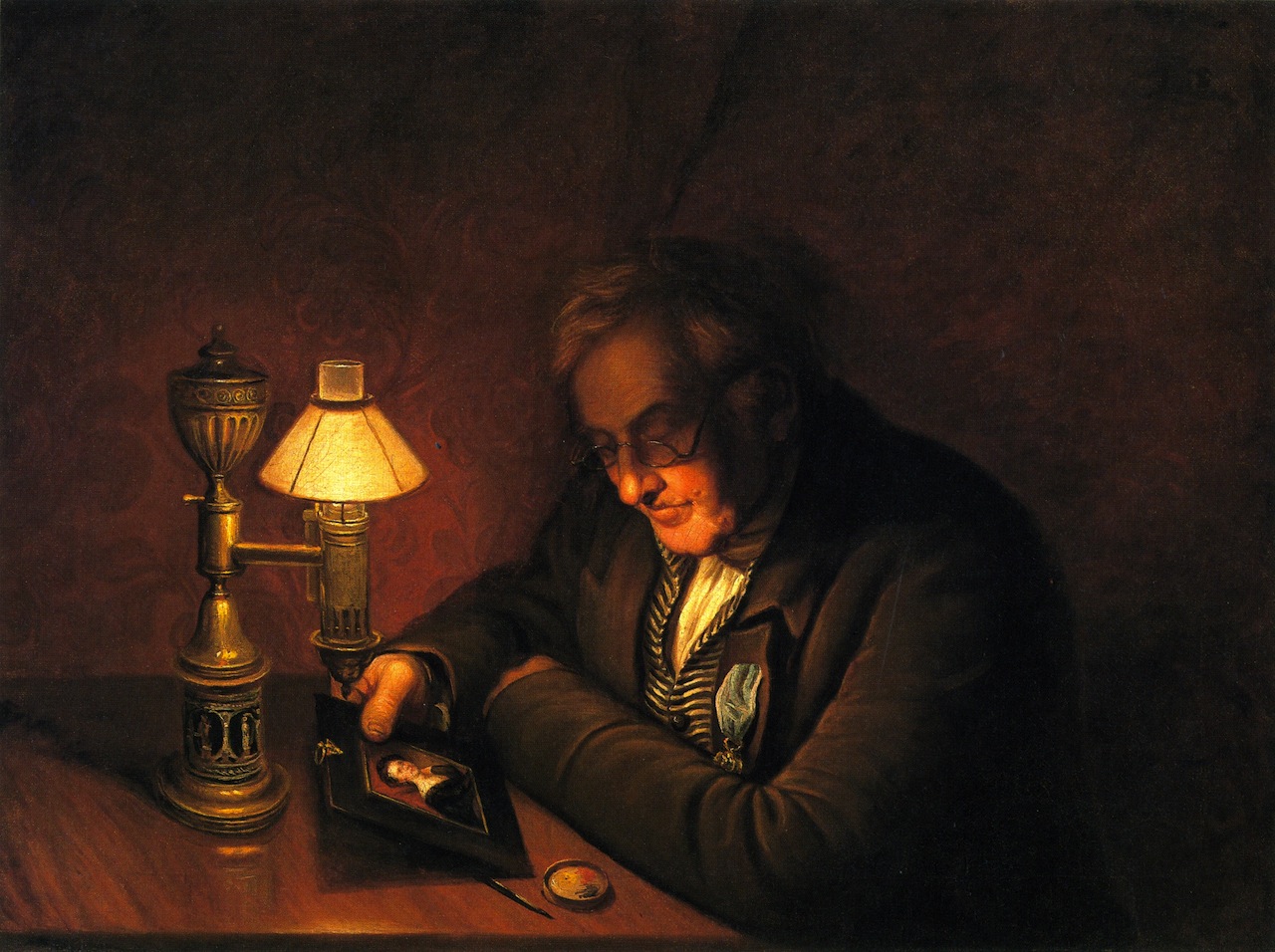
Candles, lamps and lighting a home fire in the 1800s
In the early 1800s lighting a home fire was a labour-intensive chore. The primary method involved using flint and steel to create a spark, which was caught on dry tinder.
To light candles or lamps or move fire from the hearth to another room, people used spills – long, thin twists of paper or wood (often cedar). These were usually kept in a spill box near the fireplace.
Because starting a fire from scratch was difficult, people preferred to keep their fires burning continuously.
The Terrible Tyranny of the Tinder Box
From the beginning of the 16th century the Tinder Box was commonly used for lighting candles and fires. A Tinder Box is a container made of wood or metal which contains flint, fire steel and some form of tinder.
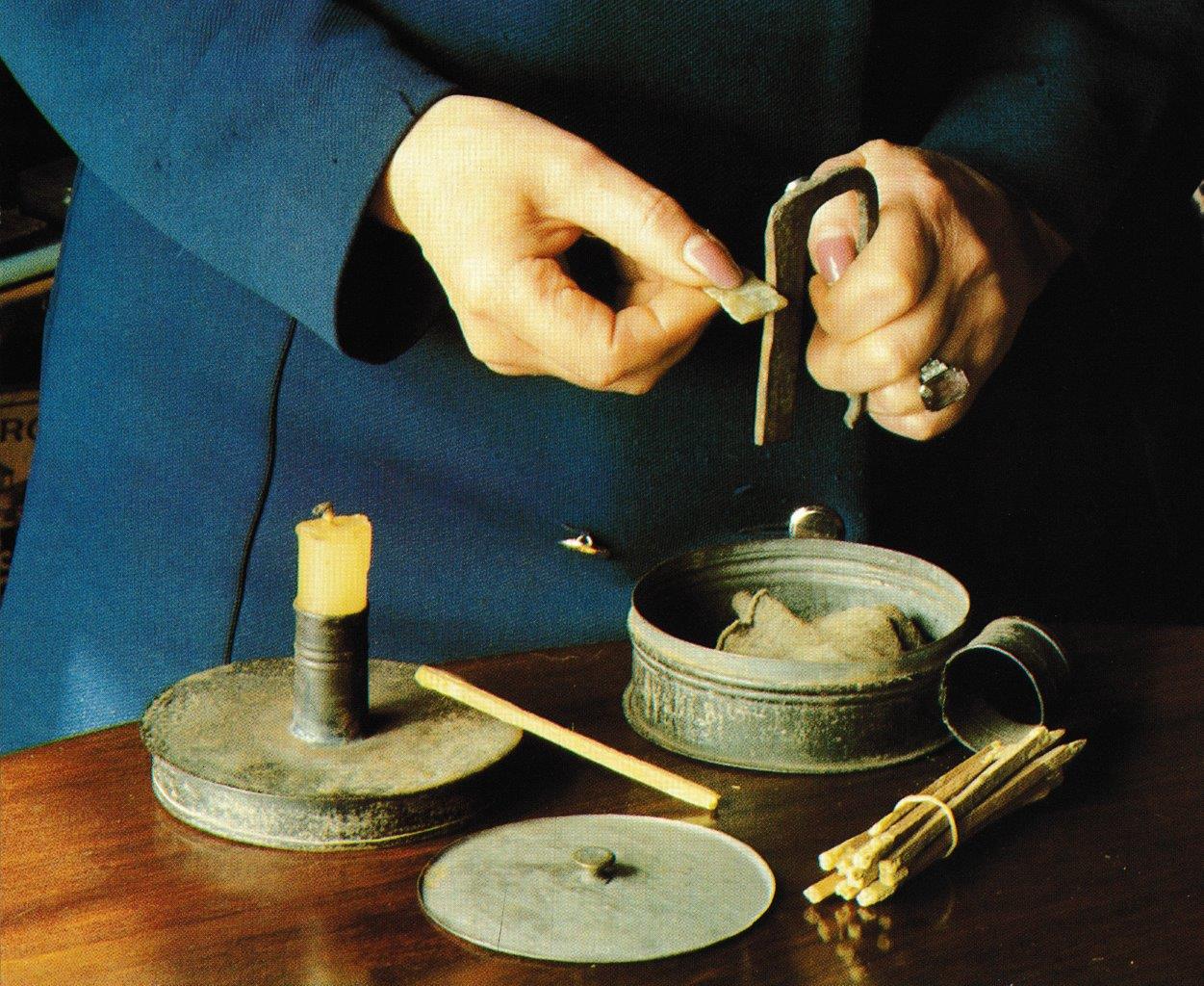
Tinder is a substance which is capable of capturing an incipient spark easily and nurturing it until it can be coaxed into an active blaze (by using a secondary tinder like a sulphur-match) from which a candle, lamp or hearth-fire may be lit. It was commonly made from charred rags which was a tedious and tiresome process, often involving scraped knuckles and frayed tempers.
During the 18th century fire-making was almost entirely dependent on the Tinder Box, which came in an infinite variety of forms and materials. Up until about 1835 a Tinder Box would have been found on the kitchen shelf of every house in the land. Although three minutes was reckoned to be an average amount of time to get a light from a Tinder Box it was not uncommon to take half an hour or more (especially if the tinder was damp).
More elaborate devices like Tinder Pistols were also available, as well as the simple Fire Steel.
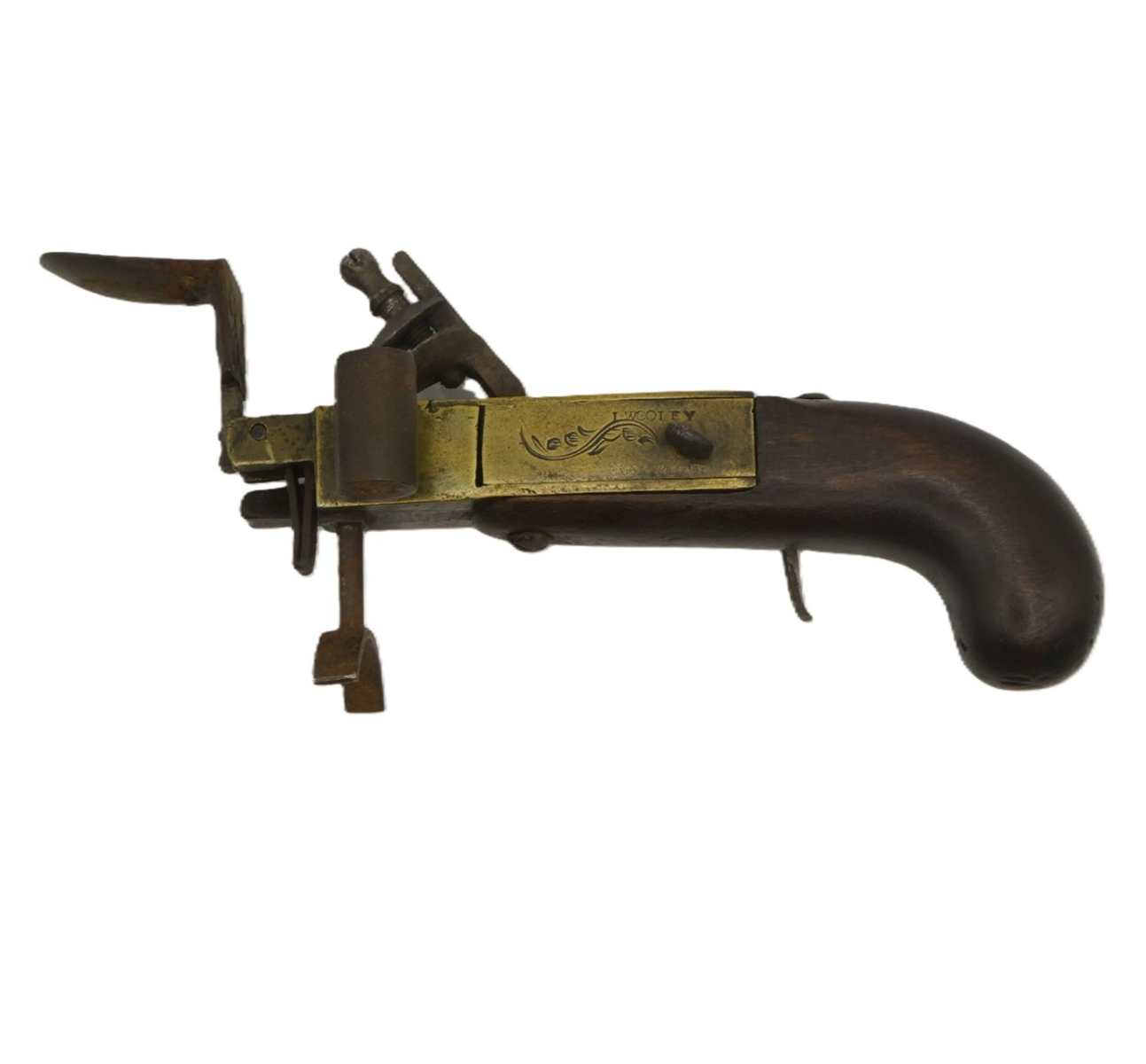 Tinder Pistol
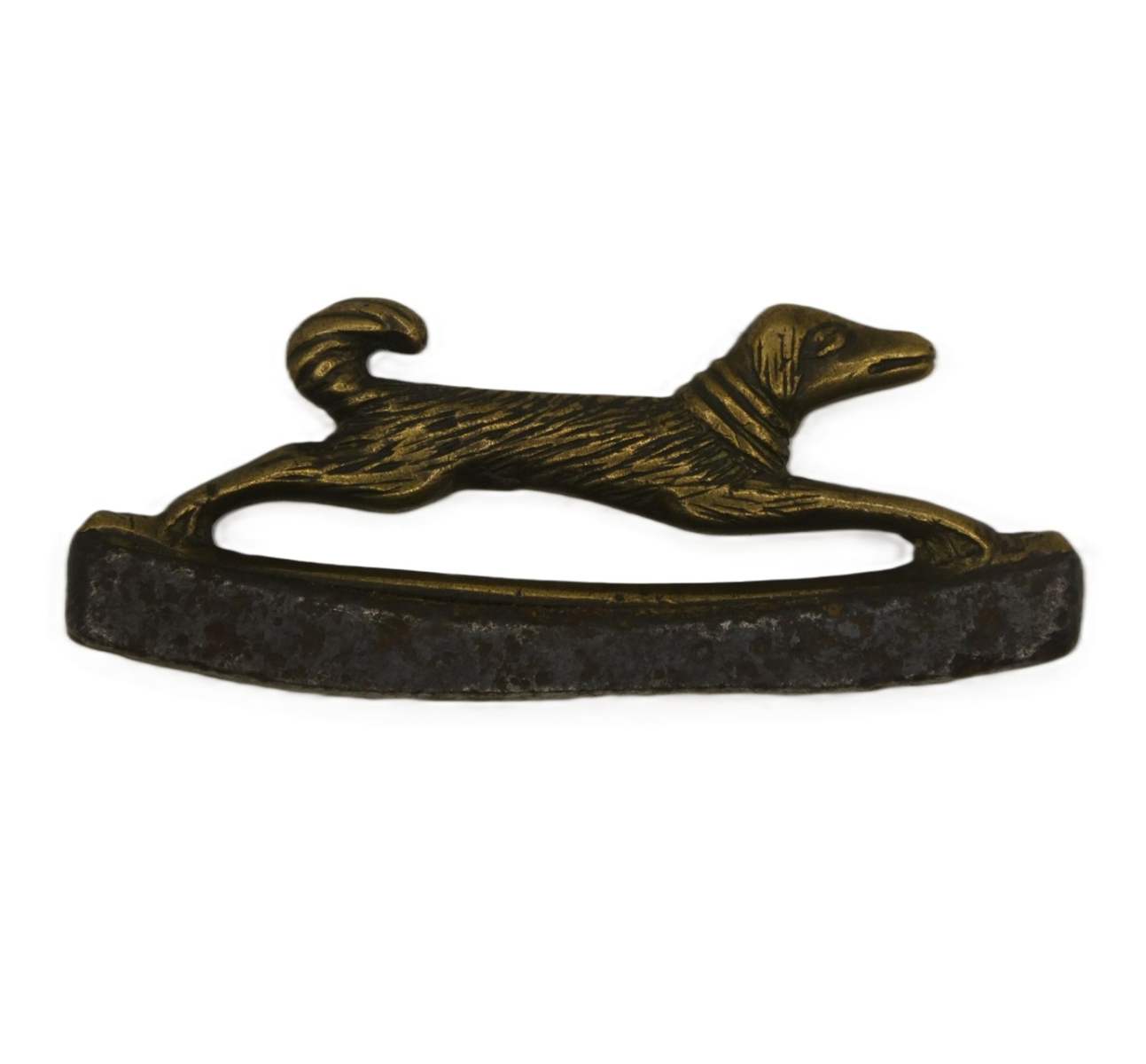 Fire Steel
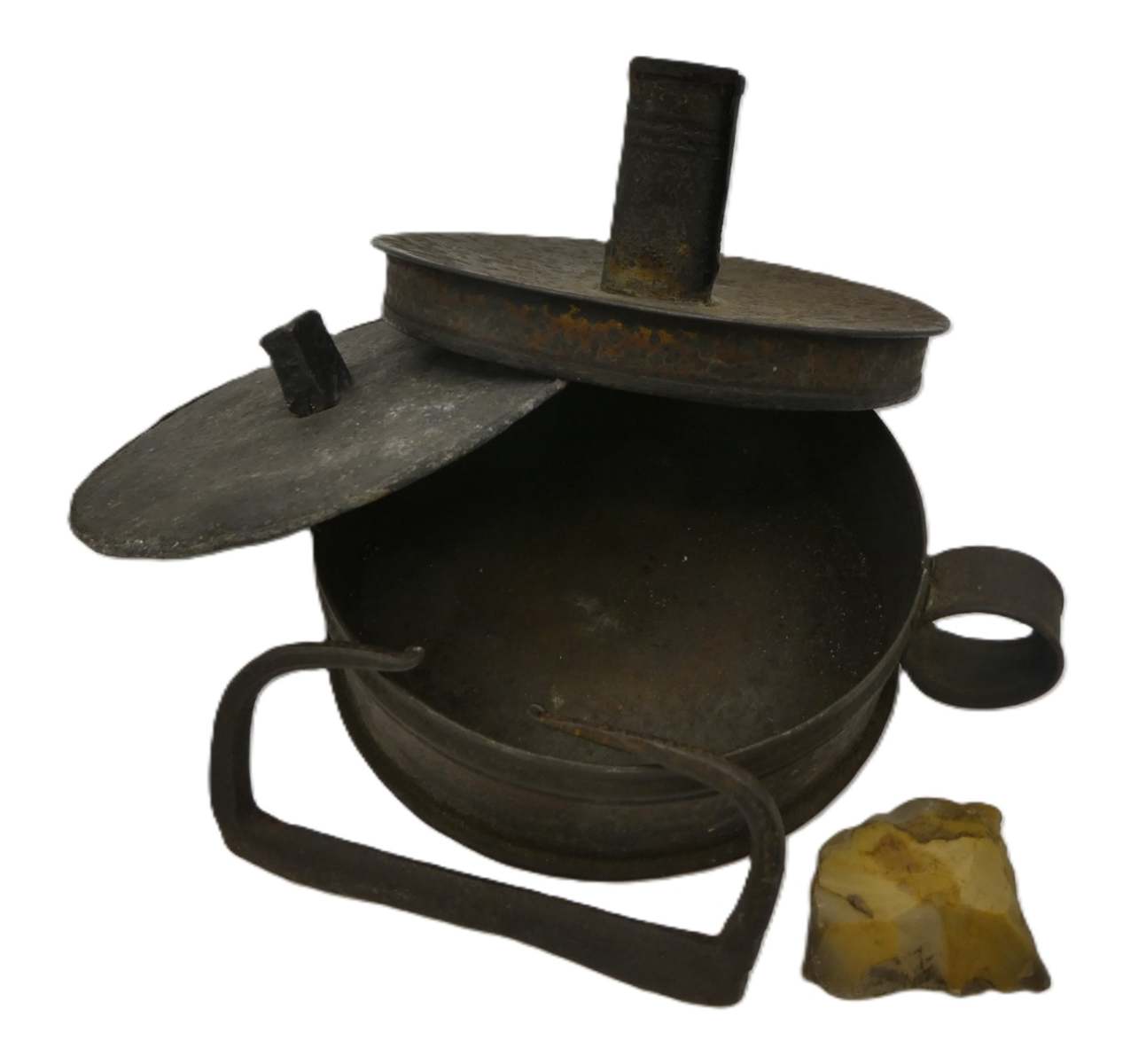 Tinder Box
Into this market various Instantaneous Light devices started appearing, which were very different to the Tinder Box because they contained various flammable chemicals such as hydrogen gas or sulphuric acid. The early examples were quite unreliable and dangerous, although many felt that they were an improvement on the tedious and exasperating Tinder Box. Perhaps the finest example of these devices is the Döbereiner Lamp, invented in 1823 which used hydrogen gas that is ignited by an electrostatically generated spark.
The breakthrough, 1826
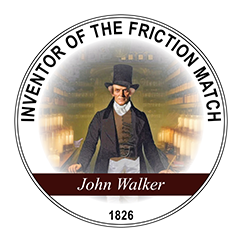
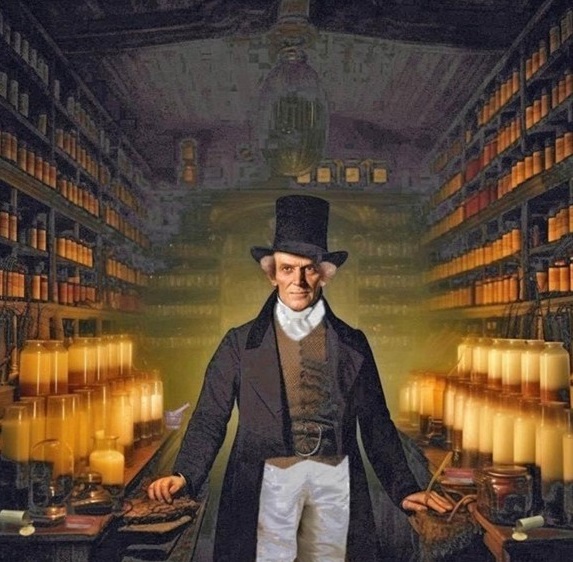
Then, in 1826, John Walker invented the first friction matches and began selling them in 1827. For the first time anyone could easily make fire. At once the mystery and magic of fire-making was gone, and the promise of a simple way for everyone to make fire was born, rescuing them from the ‘terrible tyranny of the Tinder Box’.
Of course, it would take another forty or so years until matches became affordable for all, but the spark had been struck.
Firing-up the Industrial Revolution
Fire was as important as the engine for the industrial revolution (1760-1840). Smelting of metals in large quantities depended on an understanding of the contribution that fire made to the process, and fire was used to make steam that powered the great industries and transport systems of the 19th century.
Since the industrial revolution man has slowly been able to take more and more control over his immediate environment. Today life is very much more convenient than it was even seventy years ago, where we live in centrally heated homes, with electric lighting available at the click of a switch, electric or gas cookers and fast powerful means of communication.
Click here to return to the Exhibition Catalogue.