

Ivar Kreuger (1880 – 1932)
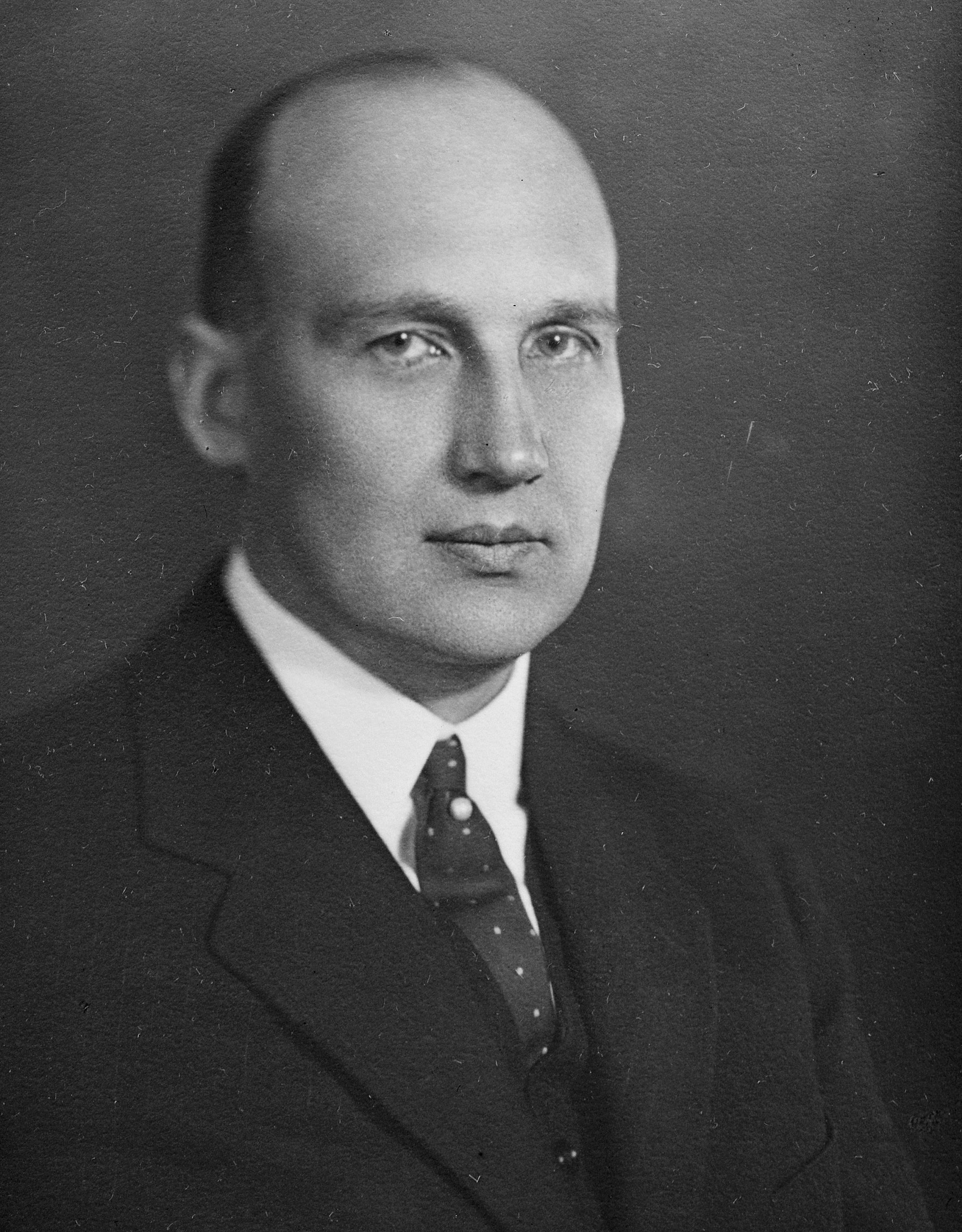
Ivar Kreuger (2 March 1880 – 12 March 1932) was a Swedish civil engineer, financier, entrepreneur and industrialist. When he died in 1932 at the age of 52 he controlled between two thirds and three quarters of worldwide match production, becoming known as the “Match King”, and his suicide shocked the financial world and rocked the entire match industry.
Kreuger was a financial visionary who was obsessed with solving the world’s economic problems. He fervently believed that by the exercise of free-enterprise linked with intelligent co-operation between the financiers of the world that orderly economic progress would be assured.
It was his firm conviction that if the difficulties involved in the transfer of goods and cash could be removed then the world’s economic problems could be resolved, and he worked strenuously to restore the war-shattered finances of the Continent after World War I.
For example, he obtained a loan to Germany of $125m, $75m to France, $6m to Poland, $22m to Yugoslavia, $36 to Hungary and $6m to Latvia. He protected these loans by securing a monopoly in those markets.
In Sweden, Kreuger had introduced a new way of thinking in the Swedish match industry with large scale production facilities as well as ideas to increase efficiency in production, administration, distribution, and marketing. He had been central to the establishment of Svenska Tändsticks AB (STAB) in 1917 and by expanding the company through acquisition of government-created monopolies, the Swedish company became the world’s largest match manufacturer.
The general public in Sweden, and especially the United States, gladly invested large sums of money in Kreuger shares. He promised rapidly rising share prices and high dividends as a result of the expansion of his empire that was based on constantly forging new agreements that granted him a monopoly on match manufacturing.
To finance these loans Kreuger was obliged permanently to mortgage all his interests to the maximum, but despite all his efforts the world economic conditions continued to worsen, and governments did not always fulfil their financial obligations to him.
In 1929 Ivar Kreuger’s enormous financial empire collapsed in the wake of the Wall Street Crash, this became known as the “Kreuger Crash”. Despite enormous credits from Swedish banks and the Riksbank, he was unable to get his affairs in order and committed suicide in Paris.
On his death, stocks in his companies fell catastrophically almost overnight. His personal liabilities alone amounted to almost $265m but claims on his estate amounted to a staggering $1,177m. It all finished with the Swedish National Debt Office granting Skandinavbanken (owned by Kreuger) a loan to prevent the bank going bankrupt, which would have had unpredictable consequences for the stability of the entire financial system.
Some subsequent analyses of how he structured his company finances have suggested that he had persistently presented an overly optimistic picture of his financial position based on the supposedly fantastic profitability of his match monopolies.
Click here to return to the Exhibition Catalogue.