
Indian match industry

Exhibitor : Simon Blackman
Matches have been produced in India since the end of the 19th Century. The first two factories were the Gujarat (Gujrat) Islam Match Manufacturing Co. founded in Ahmedabad in 1895 and the Amrit Match Factory founded in Bilaspur in 1897.
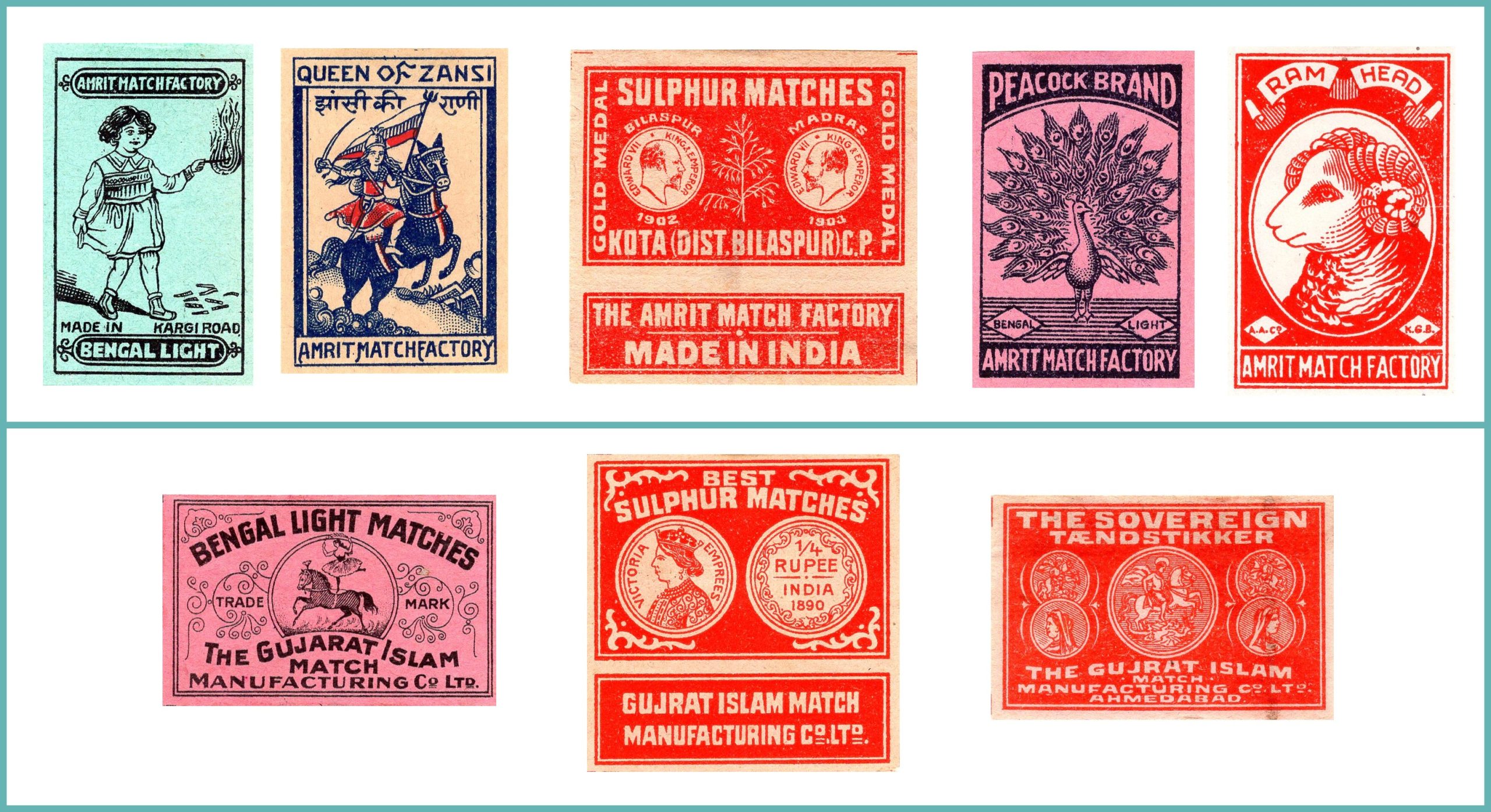
Over the next few years, a further small number of factories were established in Bombay and Calcutta. They were small semi-mechanised factories set up by Indian merchants using equipment and technical experts from Germany, Czechoslovakia and Japan. However, most were unable to survive.
Before World War I. the Indian market was largely supplied by imports from Sweden and Japan. This continued during the war but afterwards a struggle for supremacy between Japan and Sweden ensued. Japan would be eliminated with the rise of WIMCO.
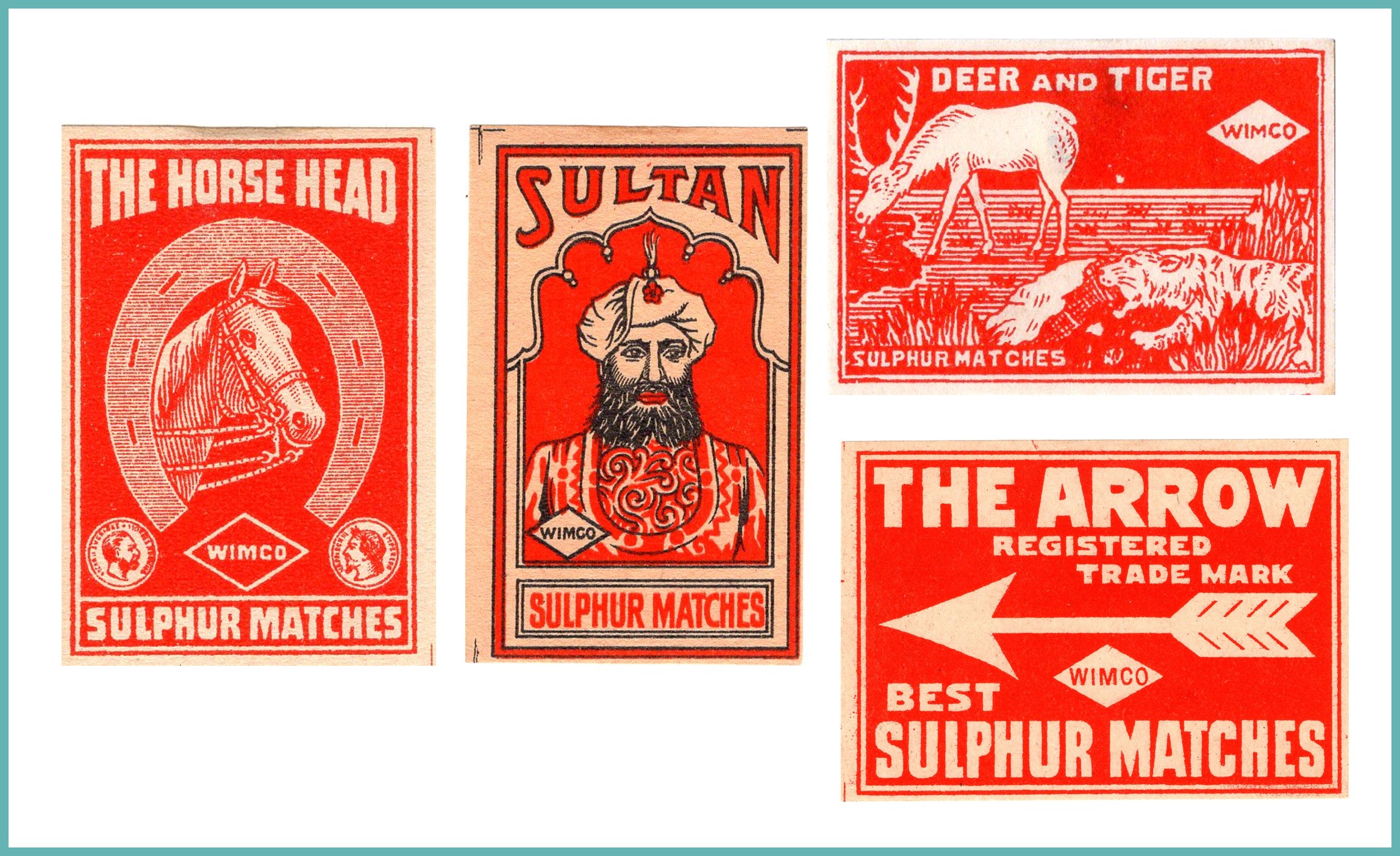
In 1923 The Western India Match Co. Ltd. (WIMCO) was established as a wholly owned subsidiary of Swedish Match. Within a few years four factories had been established at Ambarnath (1924), Calcutta (1924), Madras (1929) and Delhi (1930). Swedish Match also founded in 1926, as a separate entity, the Assam Match Co. Ltd. (AMCO) at Dhubri in Assam.
In 1927, the Indian Tariff Board investigated the match industry as Indian entrepreneurs were complaining about unfair competition from WIMCO. It looked in depth at the dominance of WIMCO and the problems affecting Indian match manufacturers. The temporary import duty on foreign matches introduced in World War I was made permanent.
During the 1930’s several factories were established in Tamil Nadu. The origin of these has been attributed to two bothers – P. Ayya Nadar and A. Shunmuga Nadar. Soon afterwards other Nadar families moved into the business and by the early 1930’s a dozen or more family units had been established in Sivakasi. The change in import duty saw the number of small factories proliferate.
In 1947 India gained independence. The new Government of India adopted 5 year plans to promote Indian Industry. The match industry now saw a regime for tariffs that discriminated between the mechanized large-scale sector (WIMCO), the handmade small-scale sector, and cottage sector. Numbers of match factories continued to grow, especially in the cottage sector.
However, the manufacture of matches continued to be dominated by WIMCO and factories owned by 18 closely related (Nadar) families in and around Sivakasi.
In 2005 Swedish Match divested its entire shareholding in WIMCO to Russell Credit Ltd. a wholly owned subsidiary of ITC (Imperial Tobacco Company) and in 2013 ITC approved the merger of its WIMCO’s safety match and forestry business into ITC itself.
In 2018 ITC closed two of WIMCO’s factories in Chennai (Madras) and Ambarnath.
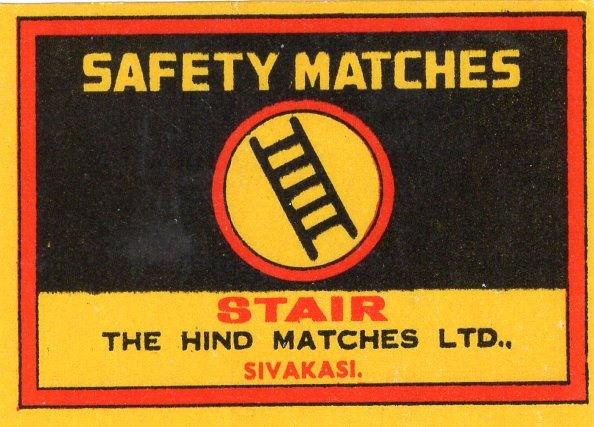
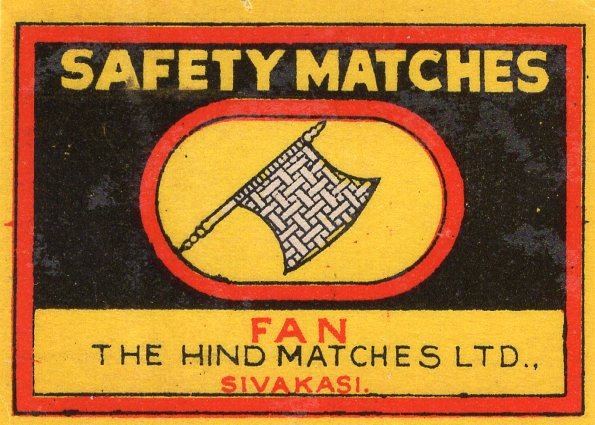
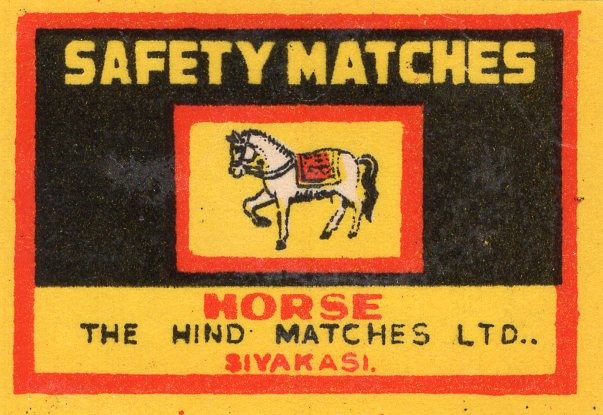
Today, the WIMCO name has all but gone. Most match production is carried out in Sivakasi in factories that are semi mechanized and owned by a small number of prominent Nadar families.

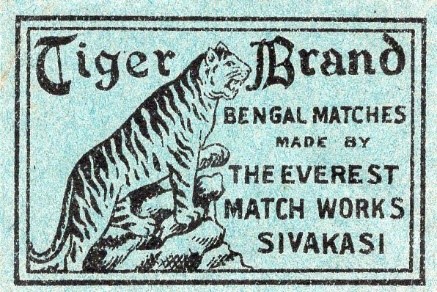
Bonus exhibit : Why Sivakasi ?
Match manufacture in Southern India
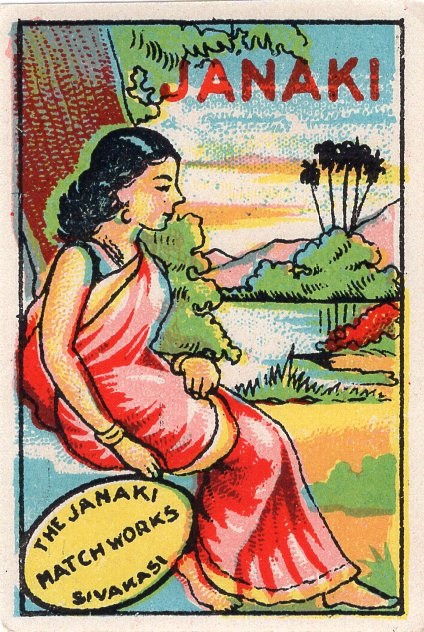
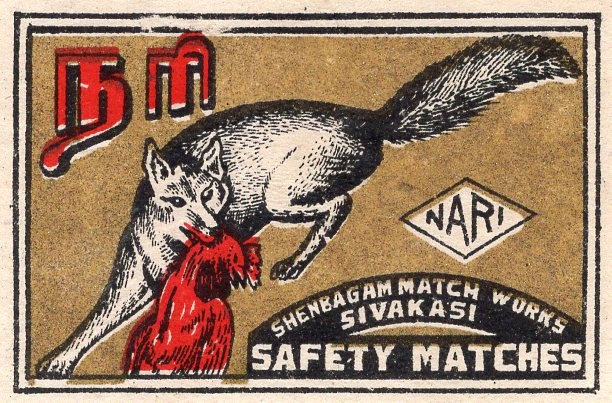
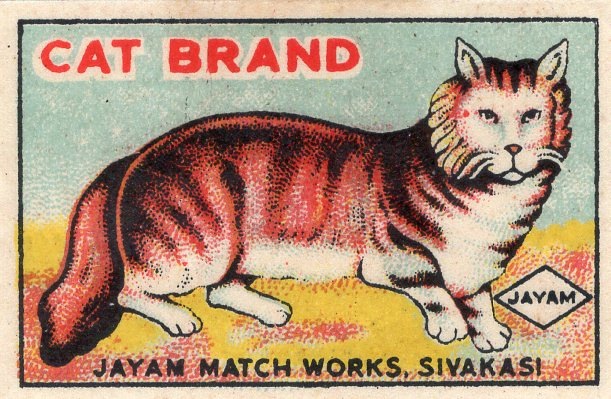
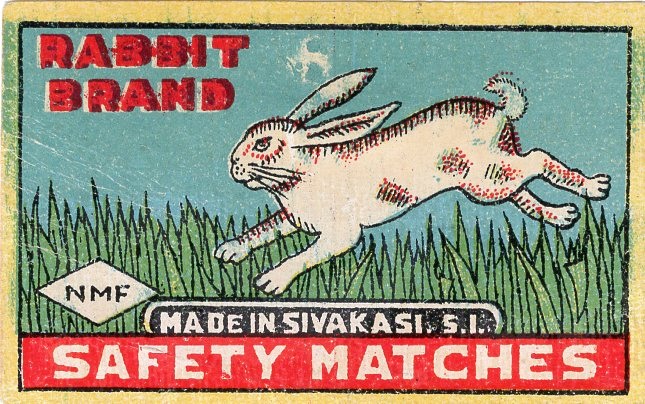
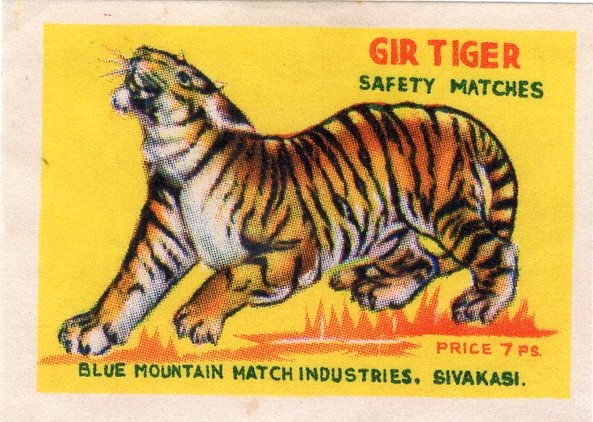
Ask any collector of Indian matchbox labels about locations of their manufacture and they will give you a simple answer. Most match labels from India, if they are old, come from Bombay (now Mumbai) or Calcutta (now Kolkata); matchbox labels from the 1940’s onwards come from one of three towns in Tamil Nadu – Kovilpatti, Sattur and Sivakasi. And then there is the global giant WIMCO.
At the end of the 19th century and into the early years of the 20th century, match manufacture took place in the major cities of Bombay (now Mumbai) and Calcutta (now Kolkata). Many of the early factories were run using German and Japanese technology and know-how. However, these factories could not survive the fierce competition from cheap imports mainly from the Swedish Match Company. An import duty was then imposed to protect the indigenous manufacturers. The Swedish Match Company foresaw the implications and established the Western India Match Company (WIMCO) with factories in Ambernath, Calcutta, Dhubri, Madras and Rangoon. WIMCO would eventually go on to dominate the Indian market for the rest of the 20th century.
As a result of the import duty, match factories began to spring up. It was in the small city of Sivakasi, in Tamil Nadu, that the match industry would take off.
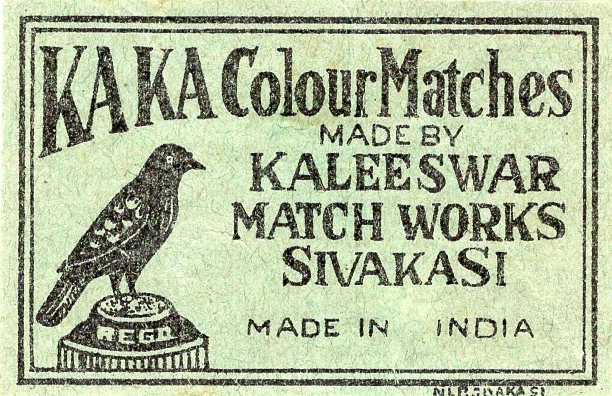
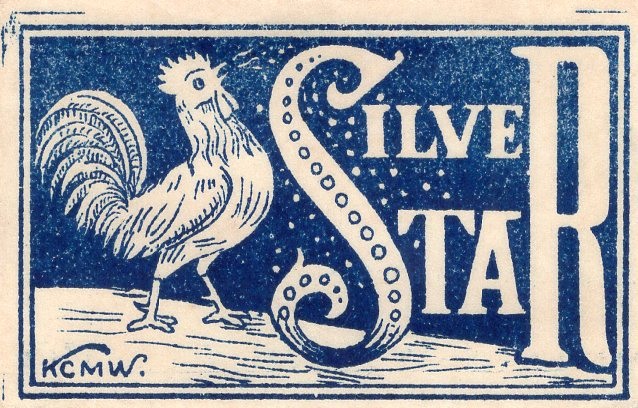
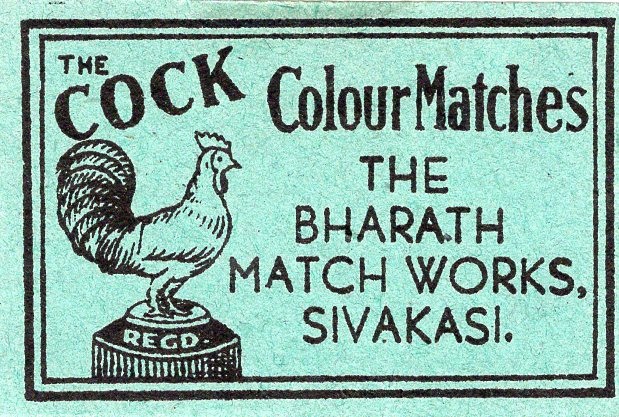
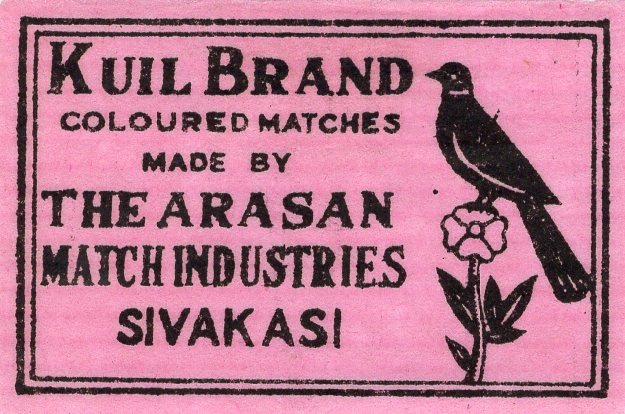
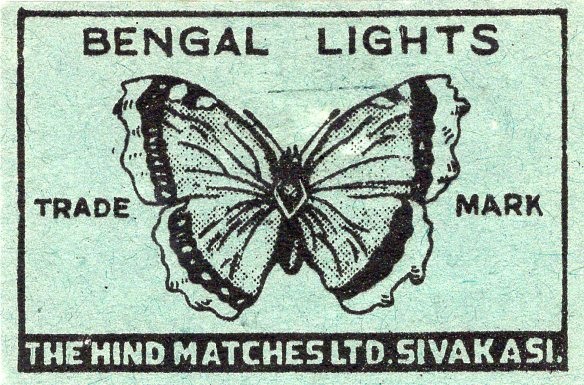
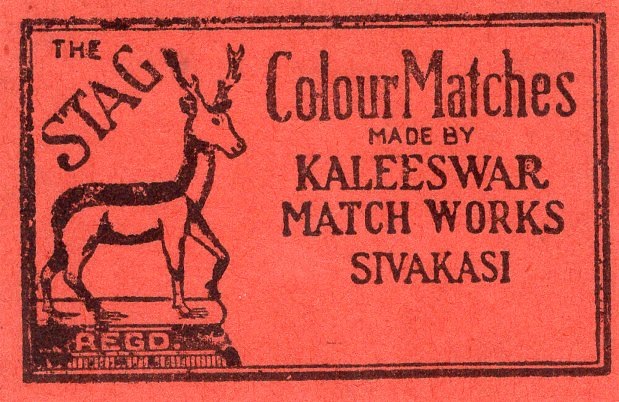
The Nadar brothers
Ayya Nadar and his cousin Shanmuga Nadar were born in 1903 and 1905 respectively. By their teenage years they were convinced that the city was too small for their big dreams. (It has to be noted, here, that the Nadars were among the lowest in the local caste hierarchy at the turn of the 20th century.)
The two cousins did not have long to wait for their opportunity to arise.
It all started with news from Calcutta, a city teeming with life. The cousins heard about a new industry in that far away city – match manufacturing.
The cousins listened with avid interest as their relative Chinna Nadar told them about the potential it had. The cousins could not dismiss the news as tall tales and plans were made.
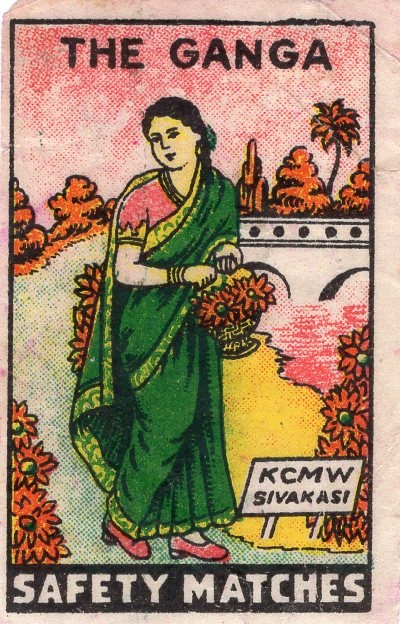
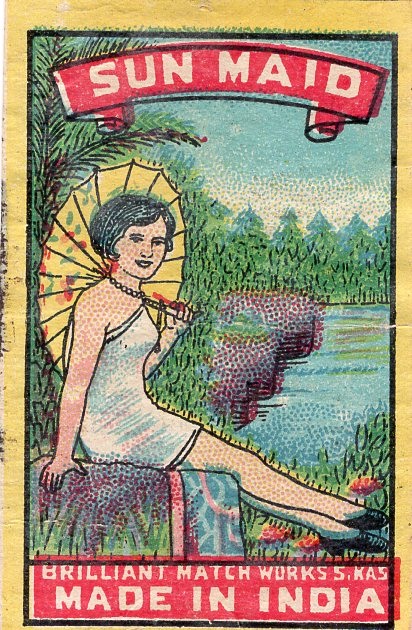
Move to Calcutta
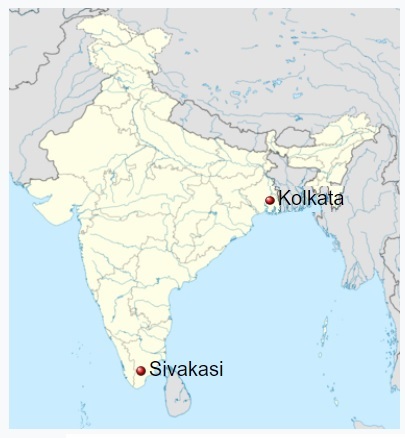
Armed with a few rupees and some Bengali they set out for Calcutta.
After much struggle they landed jobs in a match factory run by a Japanese family. To their dismay, they were put in charge of the packaging section. Even so, all the match making operations, excepting the chemical composition, were simple and could be learnt easily. But as luck would have it, they chanced upon a register that kept record of the quantity of chemicals used on a given day. From this they were able to work out the composition used for the match heads.
After 8 months in Calcutta, they returned back to their home city and in 1923 established the first match factory in Sivakasi using German machinery. (There is an alternative account that they arranged shipment of match making machinery by sea from Calcutta to Sivakasi and it was offloaded in Sri Lanka. The two cousins then attempted to set up a match factory in Sri Lanka but it proved too expensive and that this is the real reason they returned to Sivakasi!)
Return to Sivakasi
But why did the two cousins choose Sivakasi for their first factory?
Several factors underscored their choice. First, and most importantly, the region possessed an arid, dry climate for more than 300 days a year. Such a climate was essential for drying the chemical composition of the splints. Labelling and packaging operations also needed dry weather. Second, the region with its impoverished agriculture offered a plentiful source of cheap labour throughout the year. Thirdly, Sivakasi had easy access to forests providing the wood(s) required for match manufacture.
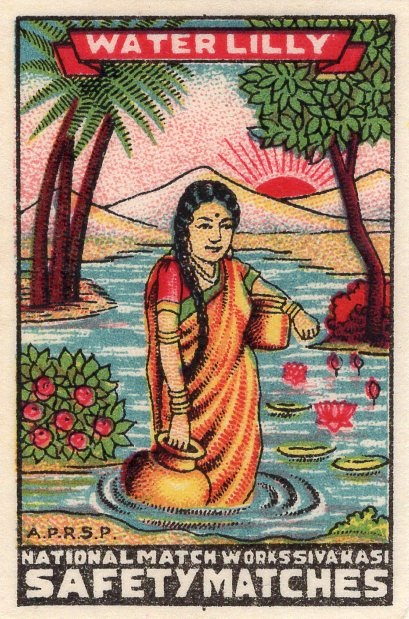
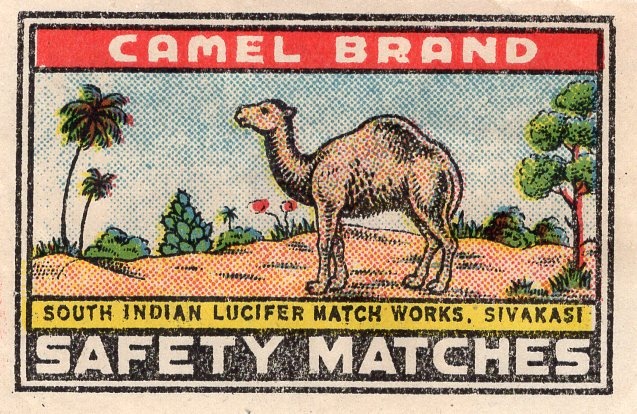
Ayya and Shanmuga Nadar built up their match empire as a family enterprise. Initially they started their venture through a cluster of about half a dozen family members. Factories the Nadars would eventually control include the Coronation Match Works, Lotus Match Works, National Match Works, Pioneer Match Works, South Indian Lucifer Match Works and Sri Kaliswari Colour Match Works.
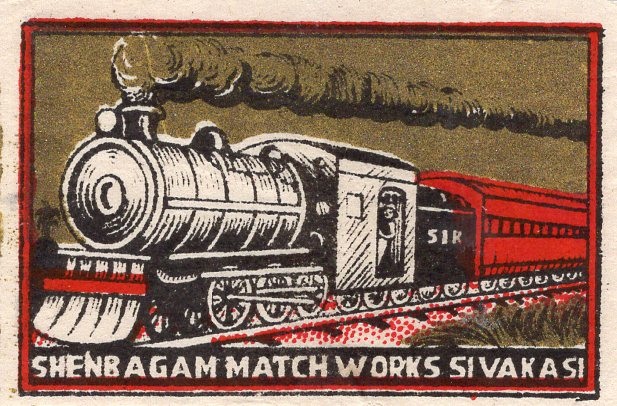
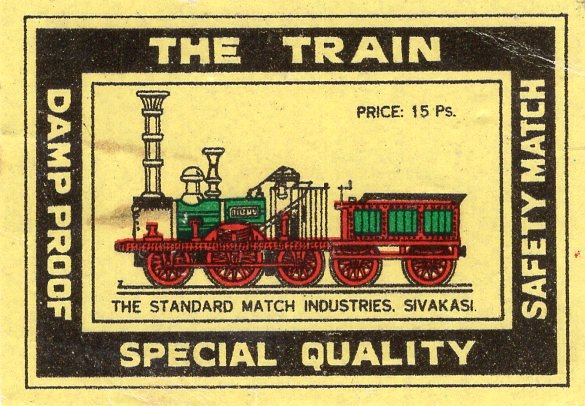
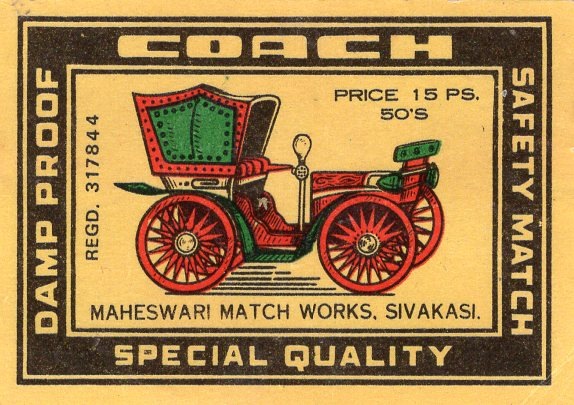
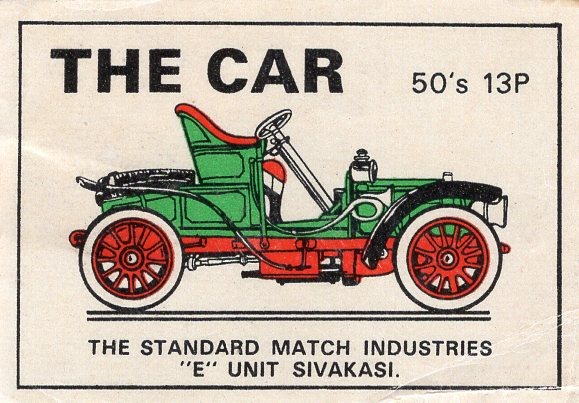
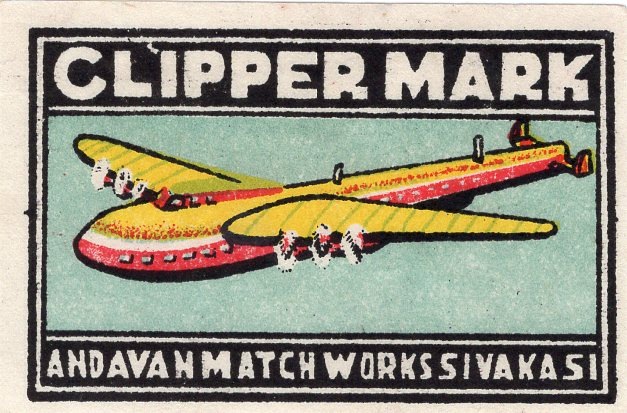
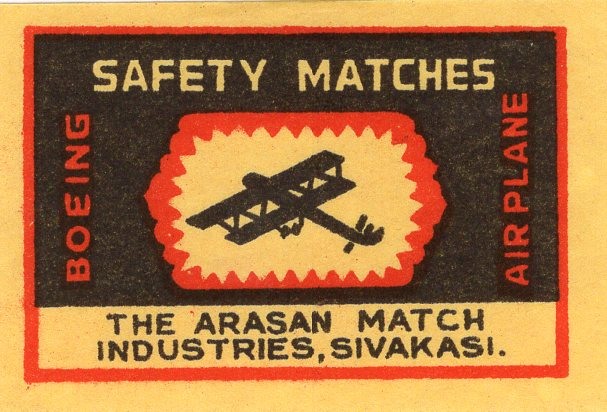
In 1934 a central excise duty was imposed on matches. The Nadars switched attention to fireworks. The similarity between match and firework manufacture saw the cousins set out on a second trip to Calcutta. Soon after their return they established their first fire-cracker factory in Sivakasi. Further would follow.
They also diversified into printing. Labels were generally sourced from Bombay and Madras. In the 1930s KSA Arunagiri Nadar established a litho-printing unit in Sivakasi.
Over time the Nadars established splint and veneer manufacturing plants, paper mills, printing presses, potassium chlorate and other chemical units, acquired vehicles for transporting the raw materials and built a country-wide agency for marketing their matches. They diversified into litho-printing and fireworks. Manufacturing units were split up and over 150 factories under their control sprang up in Sattur, Kovilpatti, Rajapalayam and Srivilliputtur.
Click here to return to the Exhibition Catalogue.