
South African match industry

Exhibitor : Kevin McCarthy
The early history of what we today call South Africa was marked by periods of conflict, migration, and state formation among native and settler groups, caused by the complex interplay of international trade, environmental instability, and European colonisation.
Long before matches were made in South Africa they were imported into the country from Europe. Although references indicate that as early as the late 1840s attempts to manufacture and sell matches locally were being made, the first factory to make matches in South Africa of which there is any record was The South African Match Factory, at Wynberg, Cape, in 1884.
As an illustration of how fast the industry grew, in the lectures, prize and other essays, jury reports and awards at The South African Exhibition, Port Elizabeth in 1885, it was reported:
- “Match-manufacturing is an industry of recent growth in South Africa. Factories are established at Wynberg, Port Elizabeth and King William’s Town, all employing many hands and producing a creditable article. These colonial matches seem likely to come into extended use, the prejudice against them rapidly disappearing. Since the earlier efforts great improvements have been made to the manufacture, until now matches are presented to the public in no way inferior to the imported article.”
Within a few years numerous match factories started in other places, such as Kimberley, East London, Albertsville, Klip River, Bellair near Durban and Pretoria. Although termed “match factories,” comments at the time and later, were made to the effect that “These so-called match factories import their wood, their chemicals, their paper, and their box materials. There is little left then to do but dip the match, paste the boxes, and pack the goods.” Hence, some of the early labels appearing on South African matchboxes bore the legend “Printed in Sweden” or “Printed in Germany”. Protective duties protected domestic match manufacturers and enabled the home match industry to drive foreign matches out of the market.
Boer Wars and Customs Union, 1880 – 1905
The turmoil which occurred during the period of the First Boer War (1880–1881), and in the Second Boer War (1899–1902) led to some of these early factories being destroyed, ceasing to operate, or closed entirely. In view of all the above, it is easy to see why matchbox labels from this early period of the match industry in South Africa are scarce, and highly valued by collectors.
The Customs Union of 1903 resulted in a fierce competitive battle for the local market, with a resulting, almost inevitable, price-war. It was obvious that the country could not support such a large number of small independent concerns. This resulted in 1904, in a visit to South Africa by Mr Gilbert Bartholomew, Managing Director of Bryant & May Limited, which had secured a large interest in the Rosebank Company through having been joined with the Diamond Match Company of the United States of America. The object of the visit was to put the match industry in South Africa on a proper footing, which could only be done by forming an amalgamation of the firms then operating in the country, a scenario seen throughout the match industry worldwide.
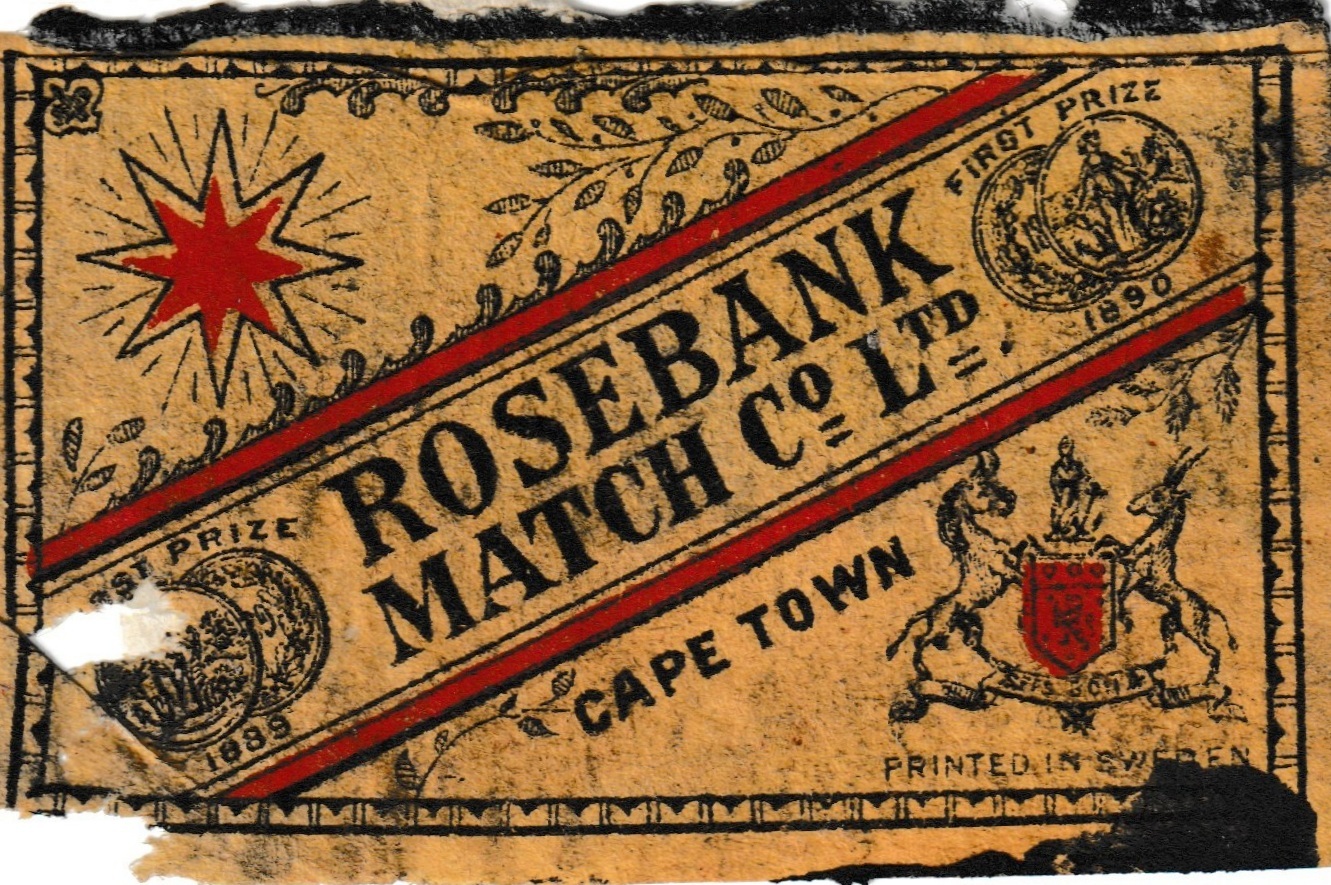
These match factories were:
- The Rosebank Match Co Ltd, with factories at Rosebank and King William’s Town
- Brooker & Sons at Port Elizabeth
- F Penn & Co at South Coast Junction
- B Gundelfinger’s factory at Bellair
- Lion Match Factory at Stamford Hill
- Star Match Co with factories at Albertsville, Johannesburg and Klip River
Mr Gilbert Bartholomew succeeded in forming an amalgamation of these interests which emerged as the Lion Match Company Ltd, with a capital of £300,000. The agreements appear to have been finally signed and sealed in 1905. The factories at Rosebank, King William’s Town and Stamford Hill were maintained and all the others closed down, sold or abandoned.
Union of South Africa and Lion Match Company, 1910 – date
Politically, The Union of South Africa, the historical predecessor to the present-day Republic of South Africa, came into existence on 31 May 1910 with the unification of the Cape, Natal, Transvaal, and Orange River colonies. It also included the territories that were formerly part of the South African Republic and the Orange Free State.
In the same year as the formation of the Union, another match factory made its brief appearance at Paarl, Cape, under the name of Nelson Ltd. It appears to have operated for only about two months when it went into liquidation and its property, machinery, tools and chemicals were sold by public tender. From this time until 1935 The Lion Match Company had the field entirely to themselves, and marketed matches under several different brand names.
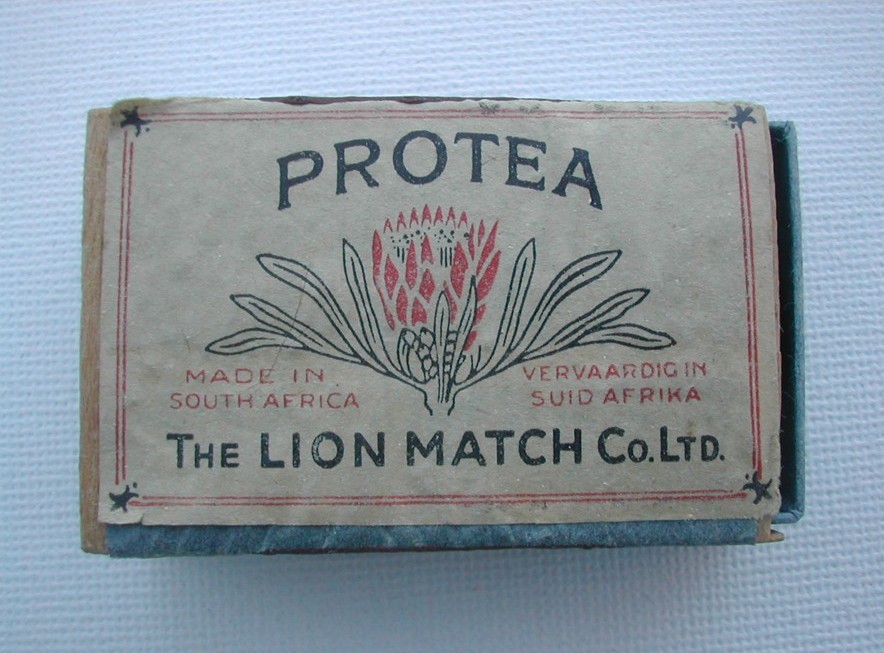
In 1924 the Lion Match Company moved from Rosebank to its spacious new factory on Observatory Road, Cape Town, disposing of the Rosebank property, and in 1926/7 the factory on the ten-acre site at Stamford Hill was entirely rebuilt and equipped with Diamond Continuous Machines. There were then only two match factories operating in the country, both operated by Lion Match with modern and well-equipped buildings and equipment. It was later to expand with further factories.
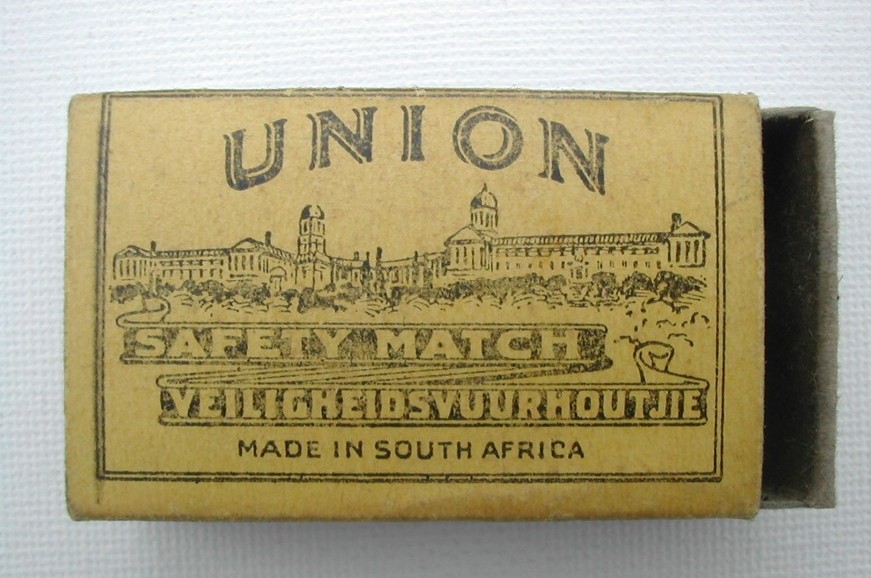
Apart from the abortive venture of 1910, Lion Match had had a clear run at the native market without opposition for some thirty years. The first competition came in 1935, when Union Industries started manufacturing matches in Germiston. The matches were packed in cardboard skillet boxes. This Company ceased to make matches early in 1969.
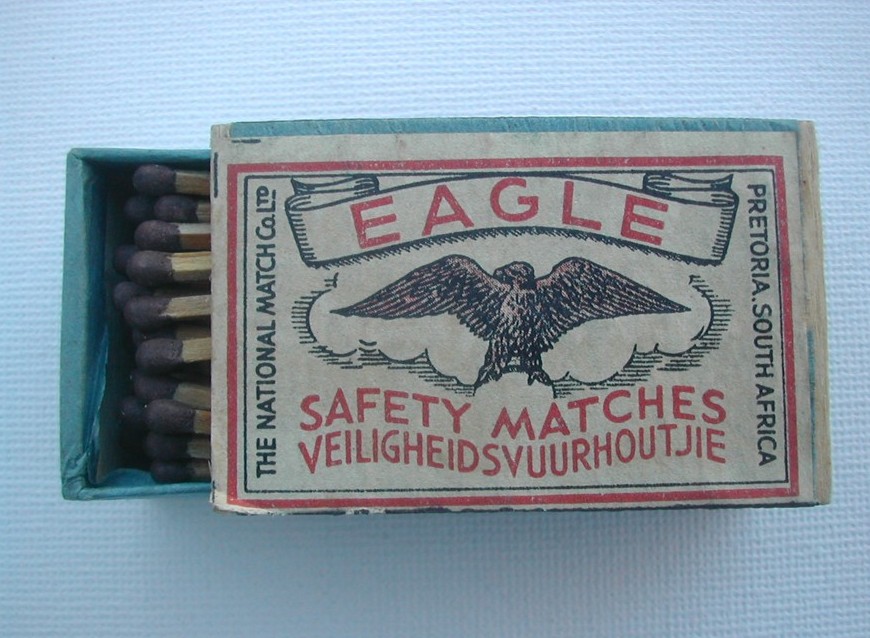
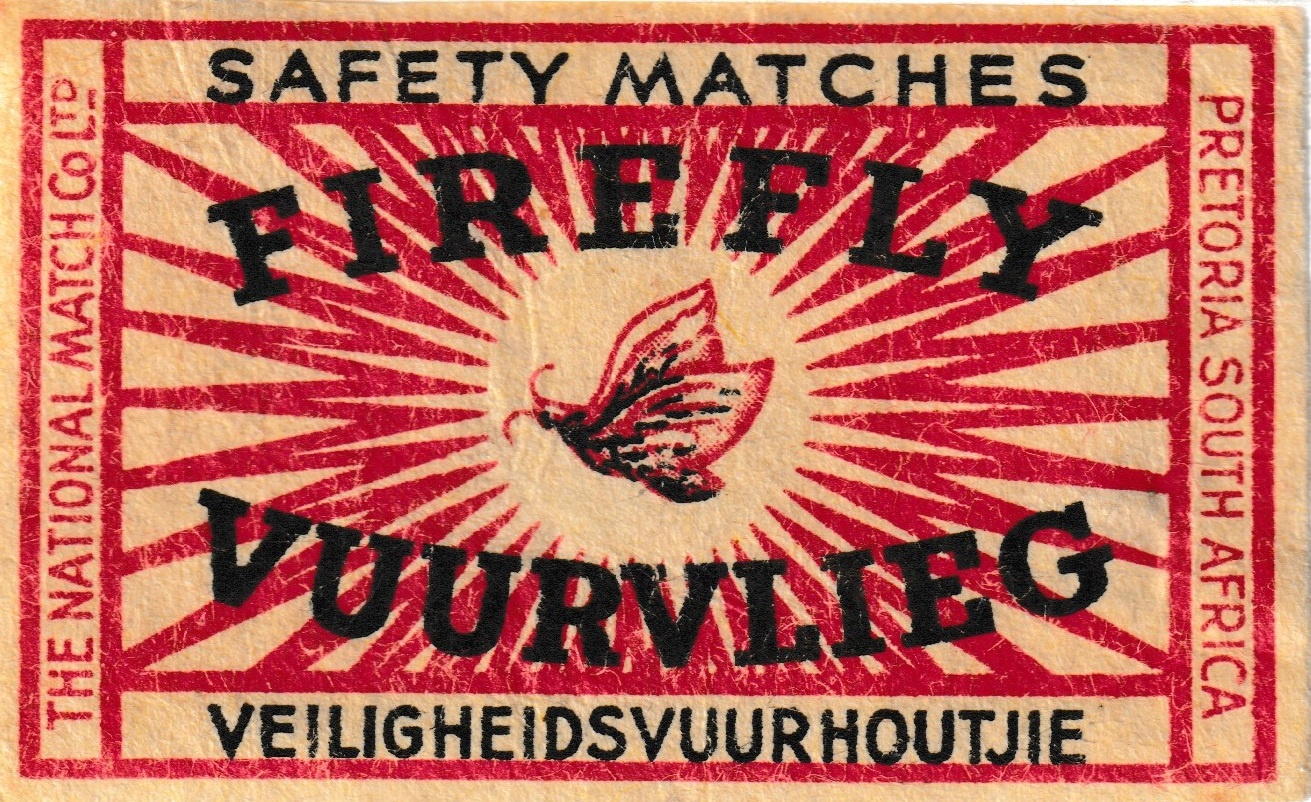
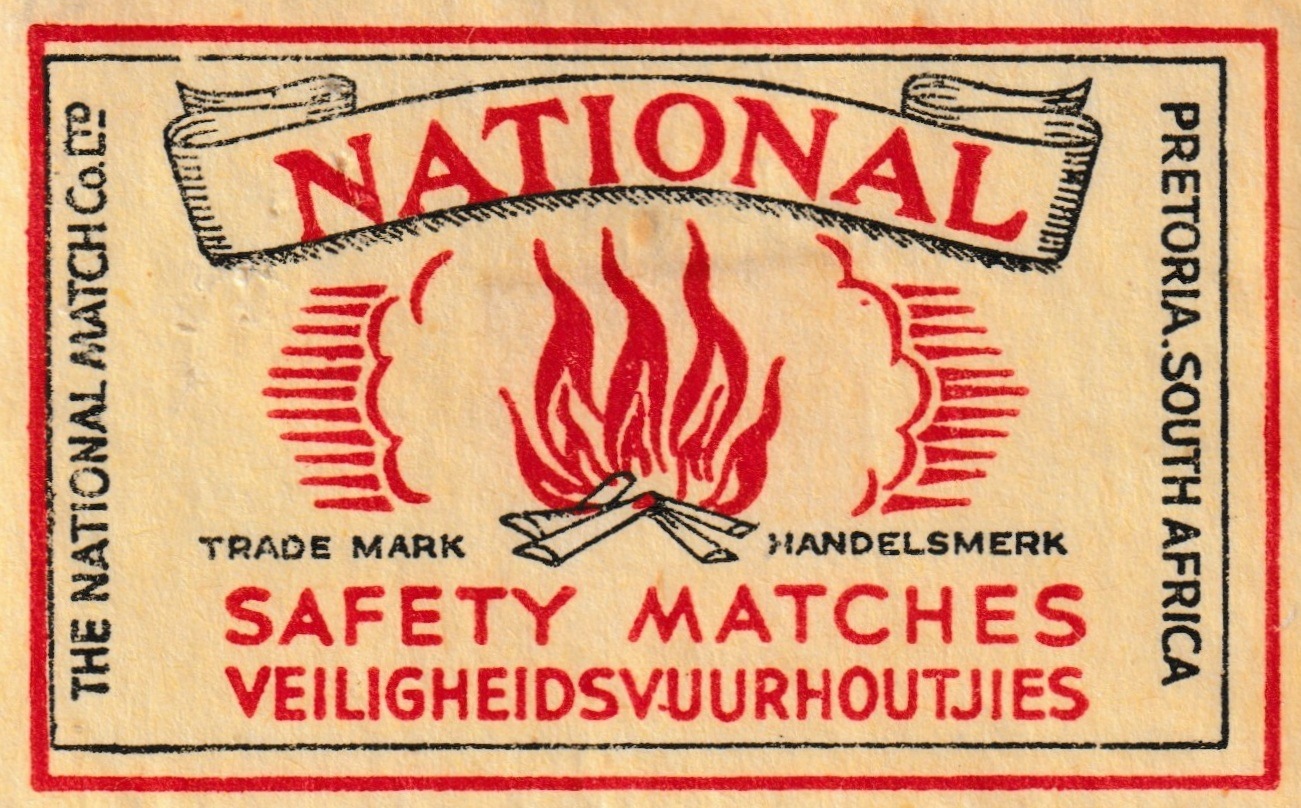
The next competitor match producer to Lion Match appeared in 1936. The National Match Company Ltd was formed with a factory situated in Pretoria. The original match making plant came from Finland.
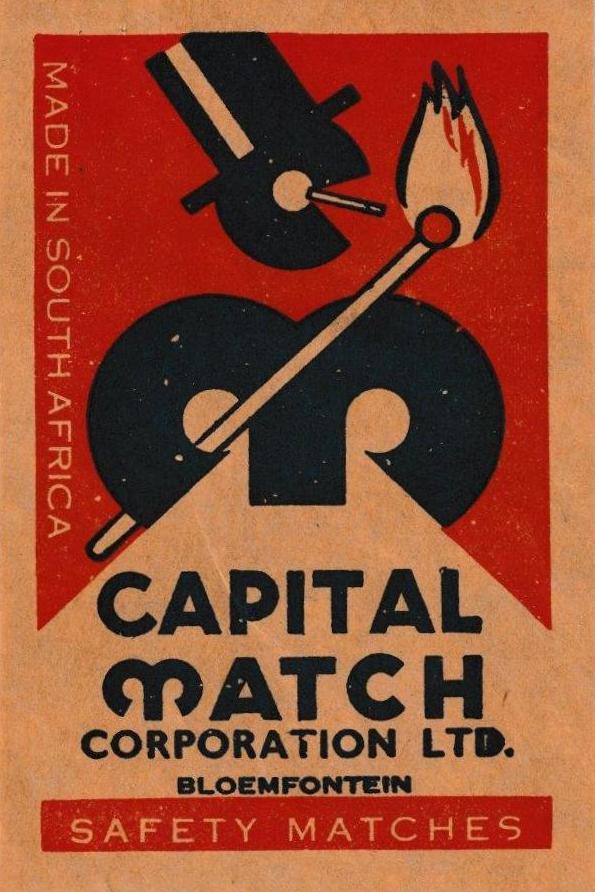
In 1946 the Capital Match Company was formed in Bloemfontein. The factory was then one of the most modern in South Africa. The matches were packed in cardboard skillet boxes under the brand names “Capital”, “Atom Match” and “Orange” and several advertising boxes were also produced. It closed down in 1950.
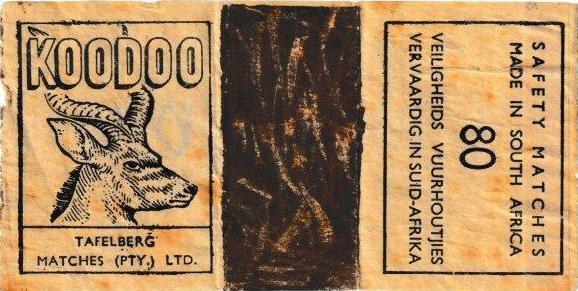
1948 saw the formation of Tafelberg Matches (Pty) Ltd, which occupied premises at Diep River, Cape Town.
The matches were packed in wooden chip boxes with “all-round-the-box” labels under the brand names “Tafelberg”, “Koodoo” and “Easylite”. This firm closed down in 1951, the year when the South African Match Co (Pty) Ltd started operations in Bloemfontein, in the factory previously occupied by the Capital Match Company. This firm was closed in 1955.
Two firms arose almost simultaneously in Transvaal in 1966. These were Booklite at Springfield, who produced only booklet matches, which went into liquidation in 1969, and Chet Industries at Kempton Park, who originally made only wax matches, later switching over to wooden matches prior to the original factory in Kempton Park being destroyed by fire in February 1972. Operations were transferred to the company’s new factory at Butterworth, Transkei. Lion Match Company entered into an agreement with Chet in 1973.
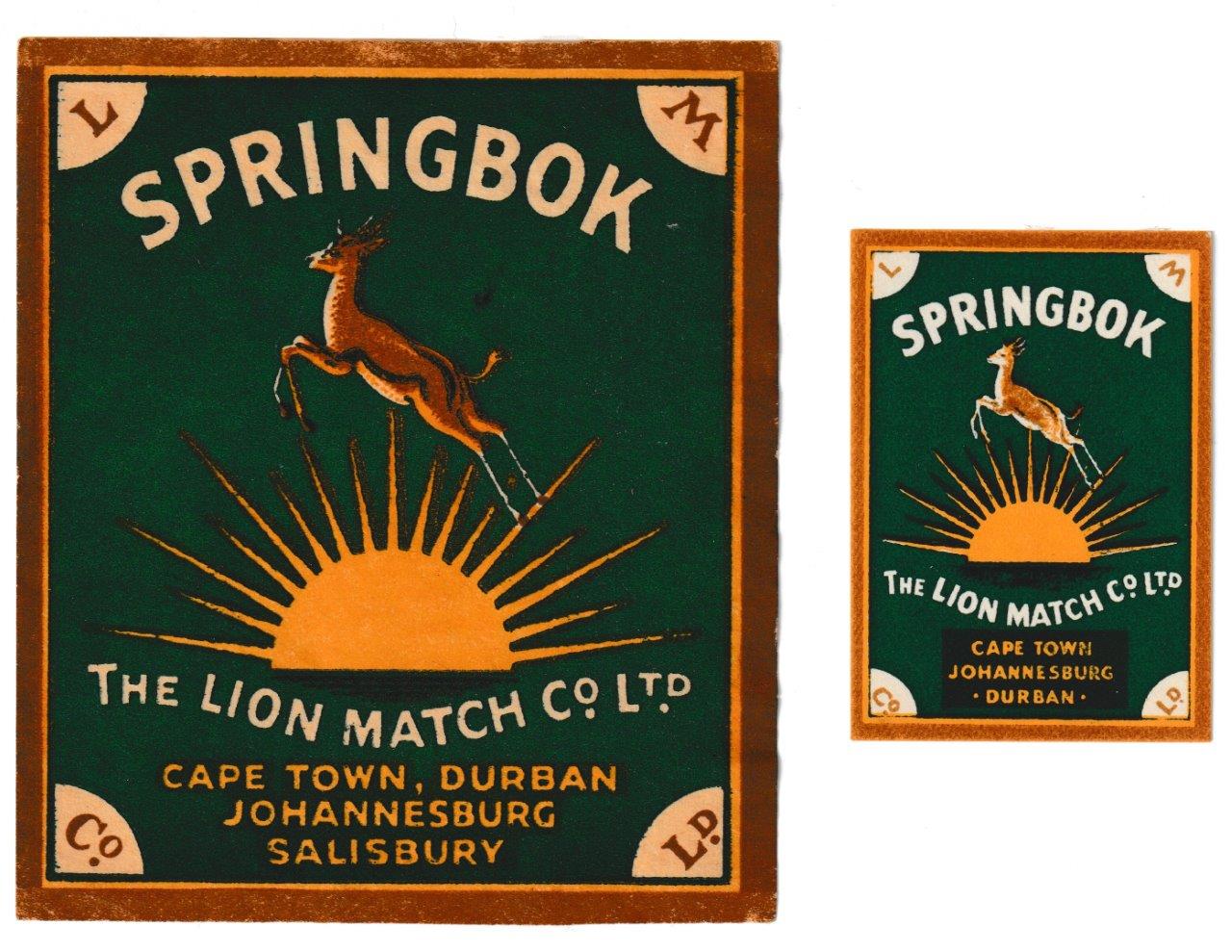
In June 1969 the Lion Match Company acquired the total shareholding of the National Match Company Ltd, of Pretoria, which Company became a wholly-owned subsidiary by the end of the year.
The Lion Match Company, to all intents and purposes, had regained its pre-1935 position as the sole domestic manufacturer and supplier of matches to the local market.
Students of South African factories and matchbox labels are advised to consult “South African Match Factories and their labels” as published in “African Notes and news” March 1971 and “Provisional Catalogue of South African Matchbox Labels 1884-1972” both these publications by A L Capener.
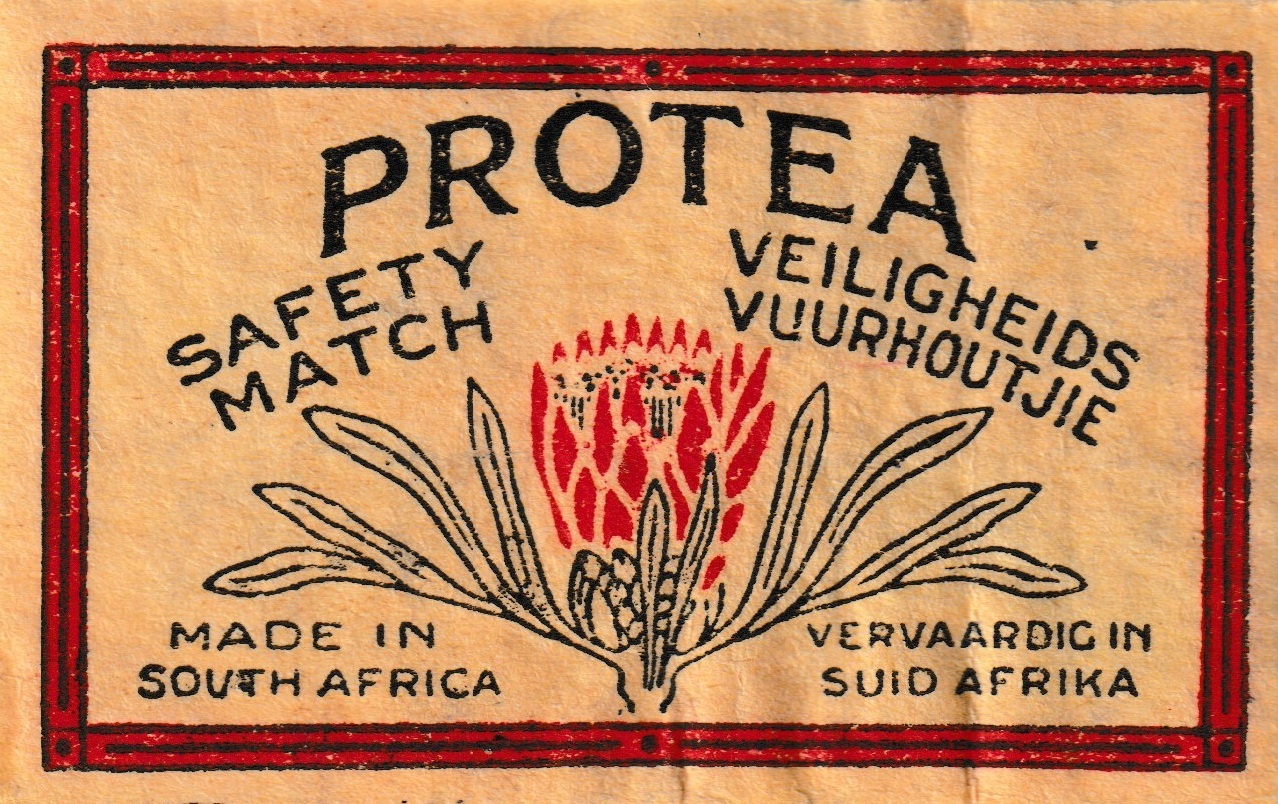
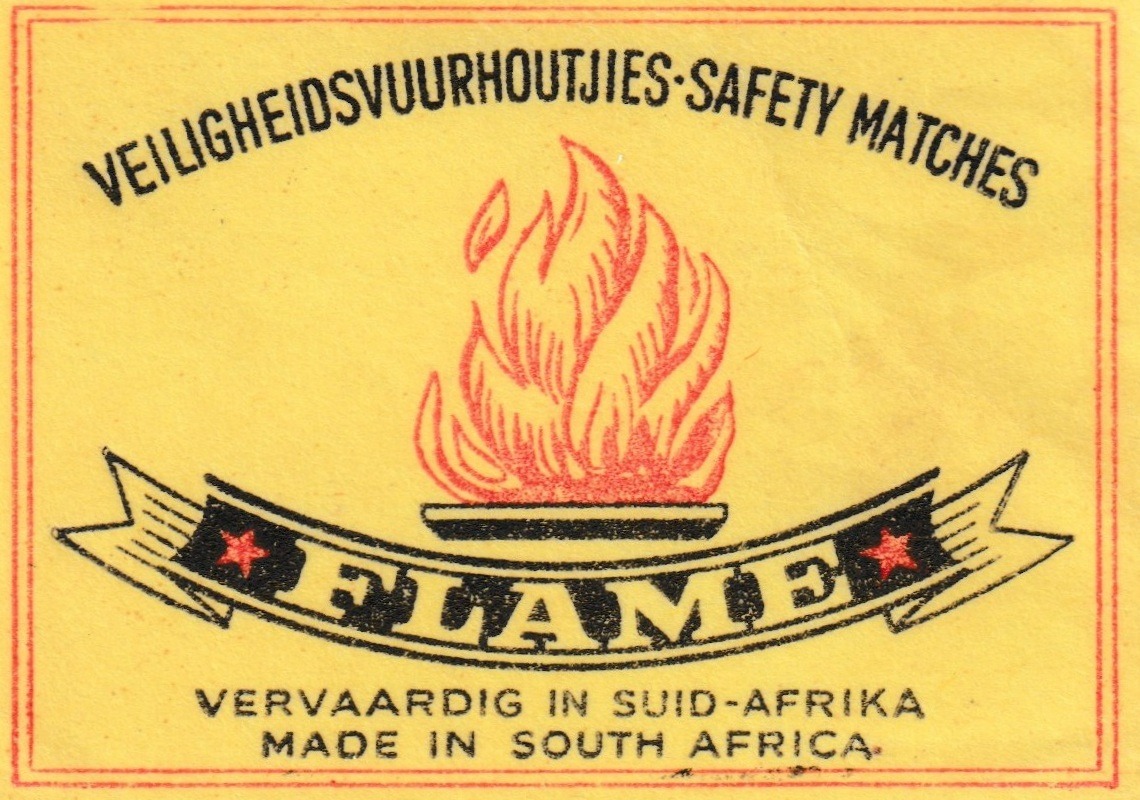
Below are some labels and skillets from South African match companies.
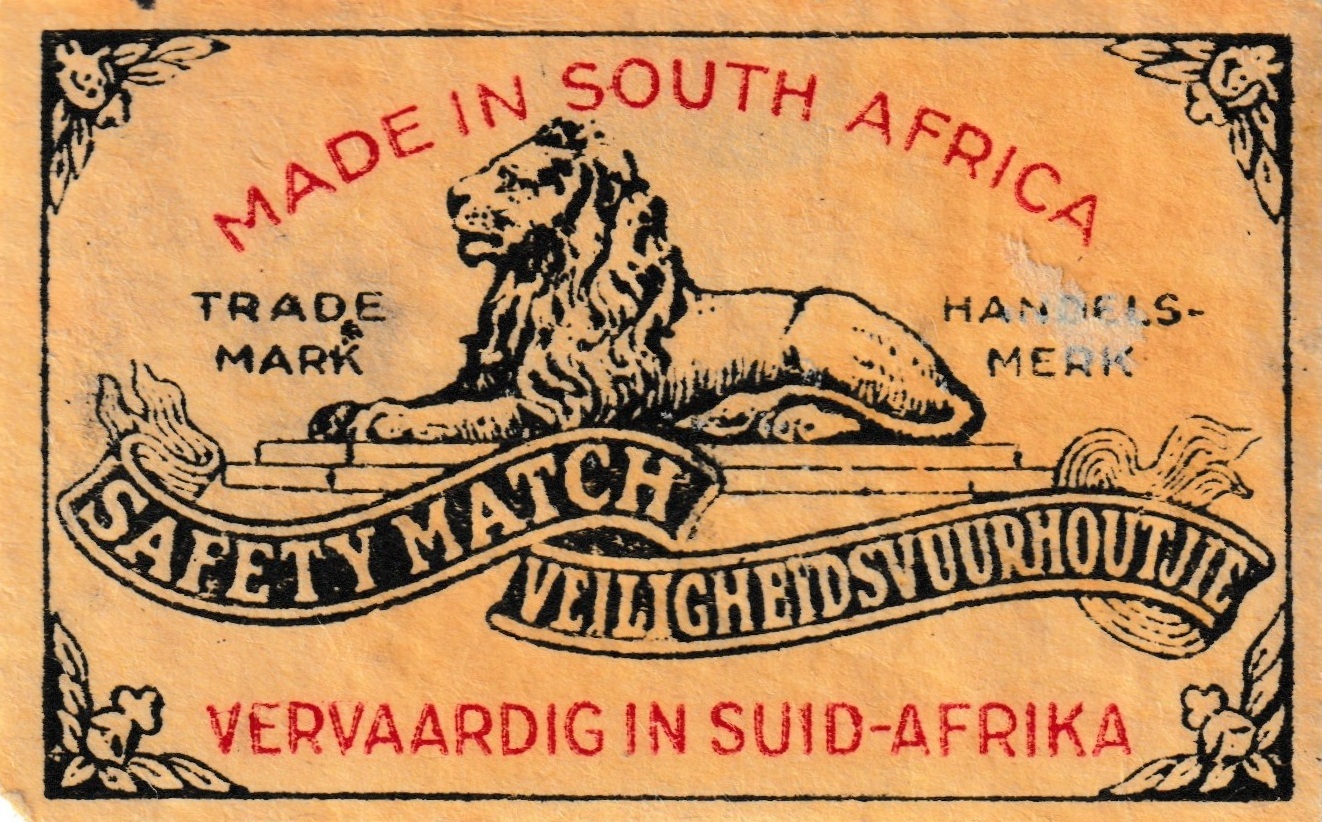
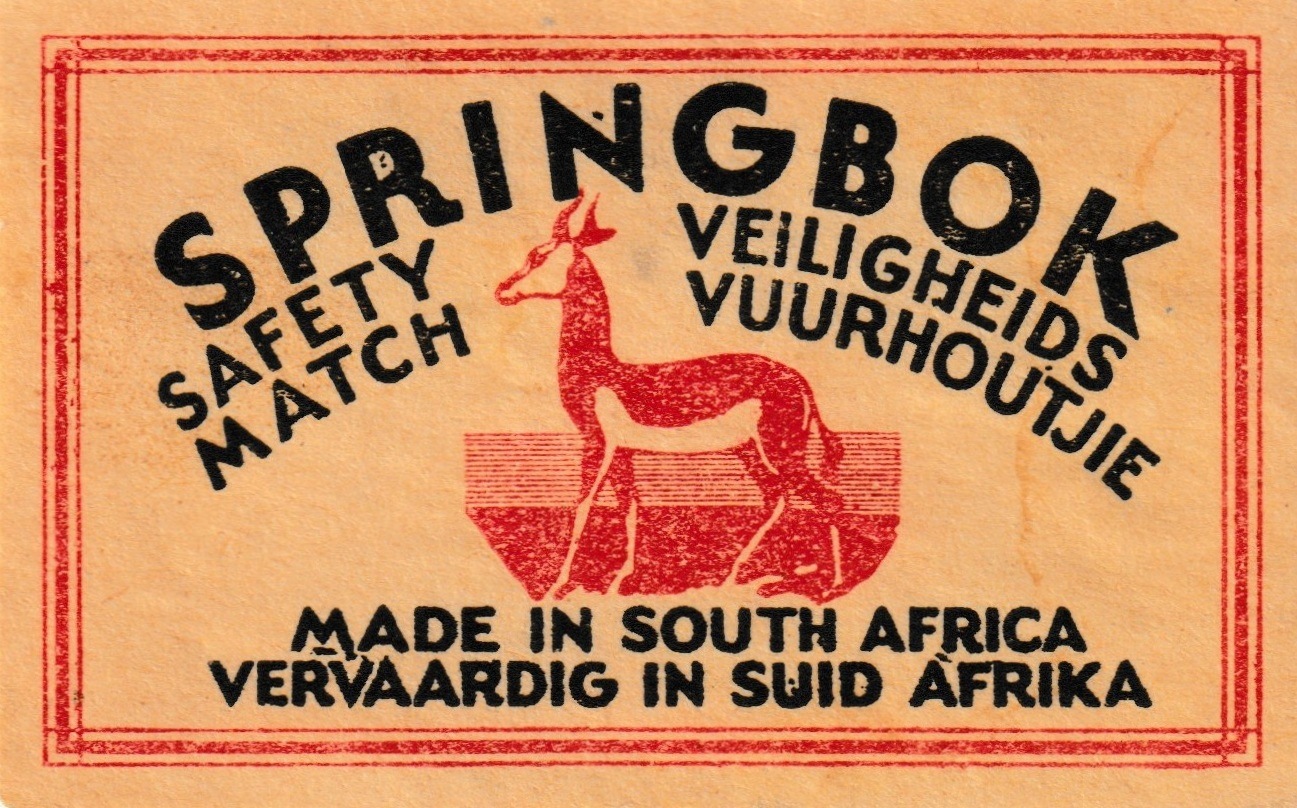
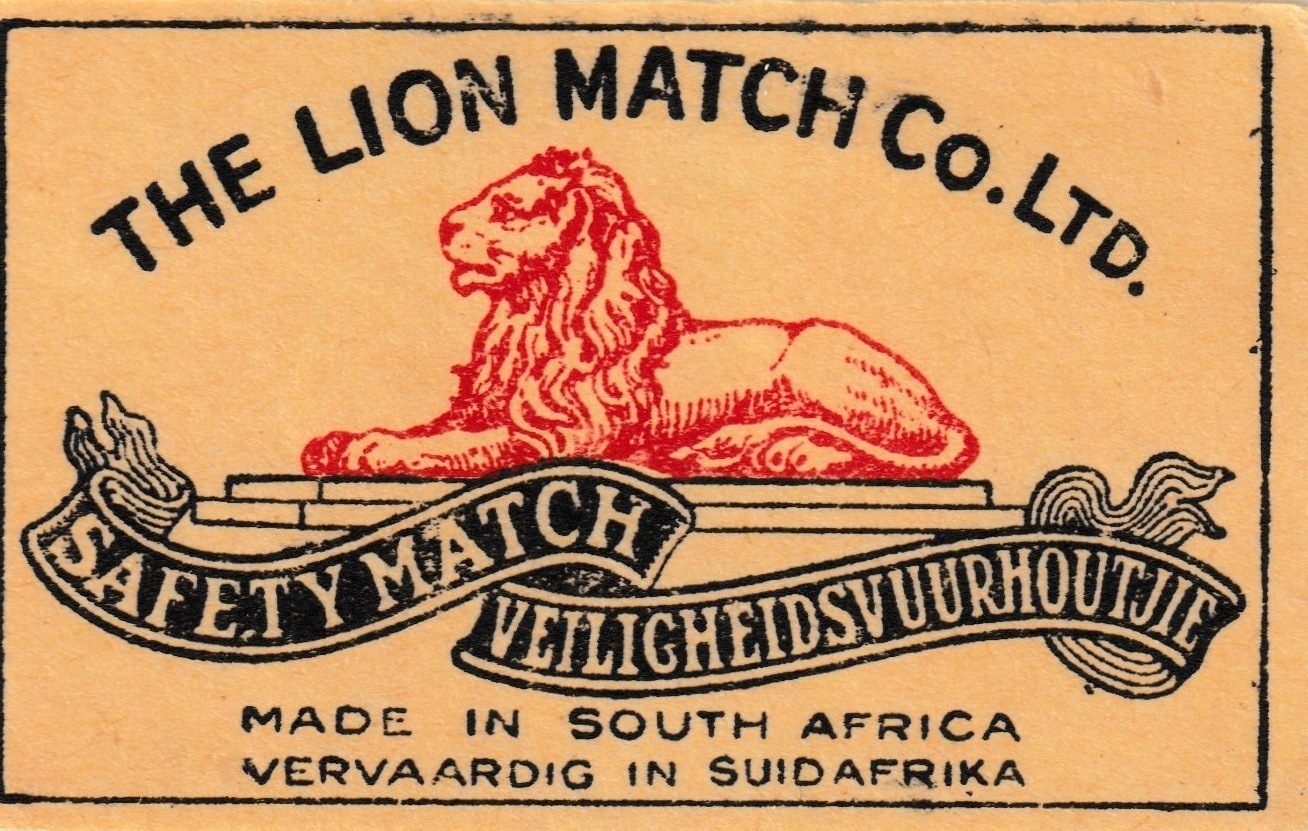
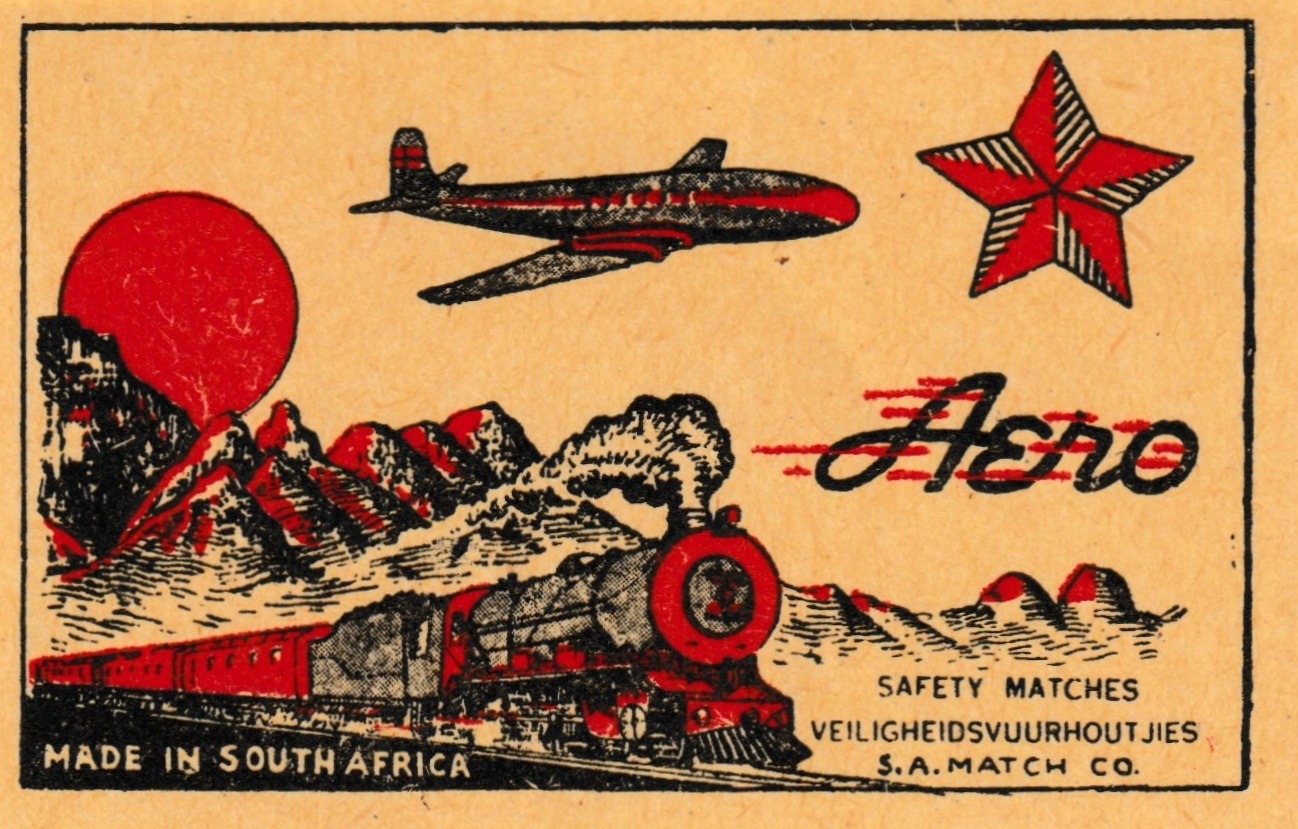
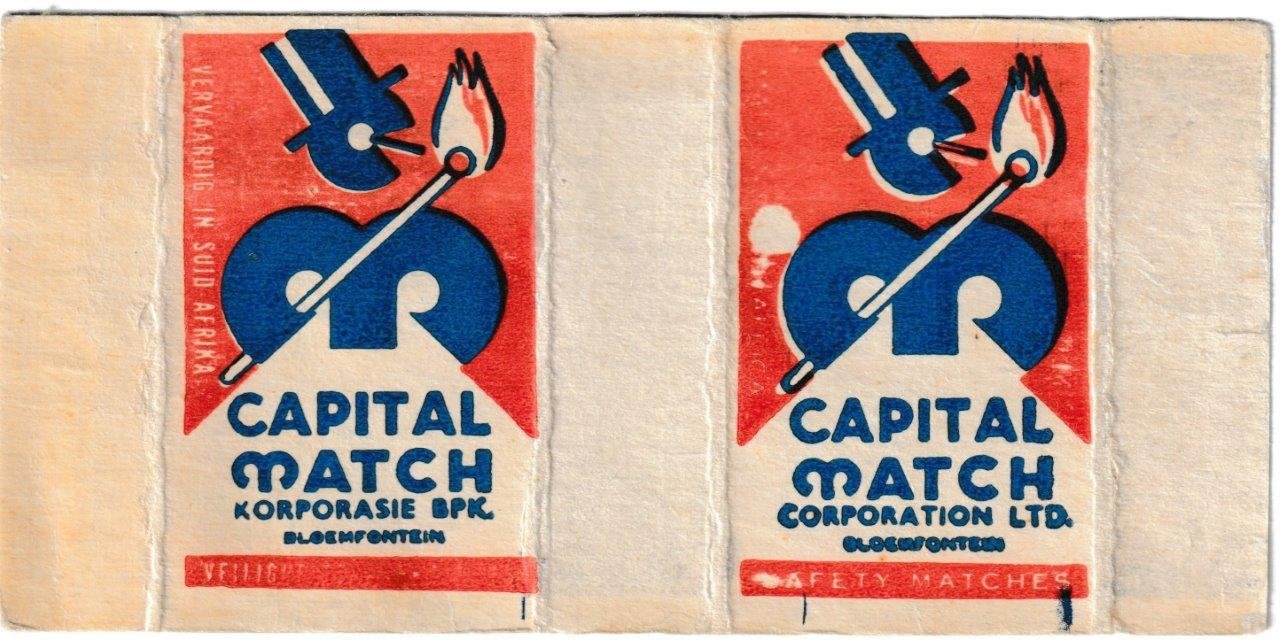 Skillet, Capital Match Corporation
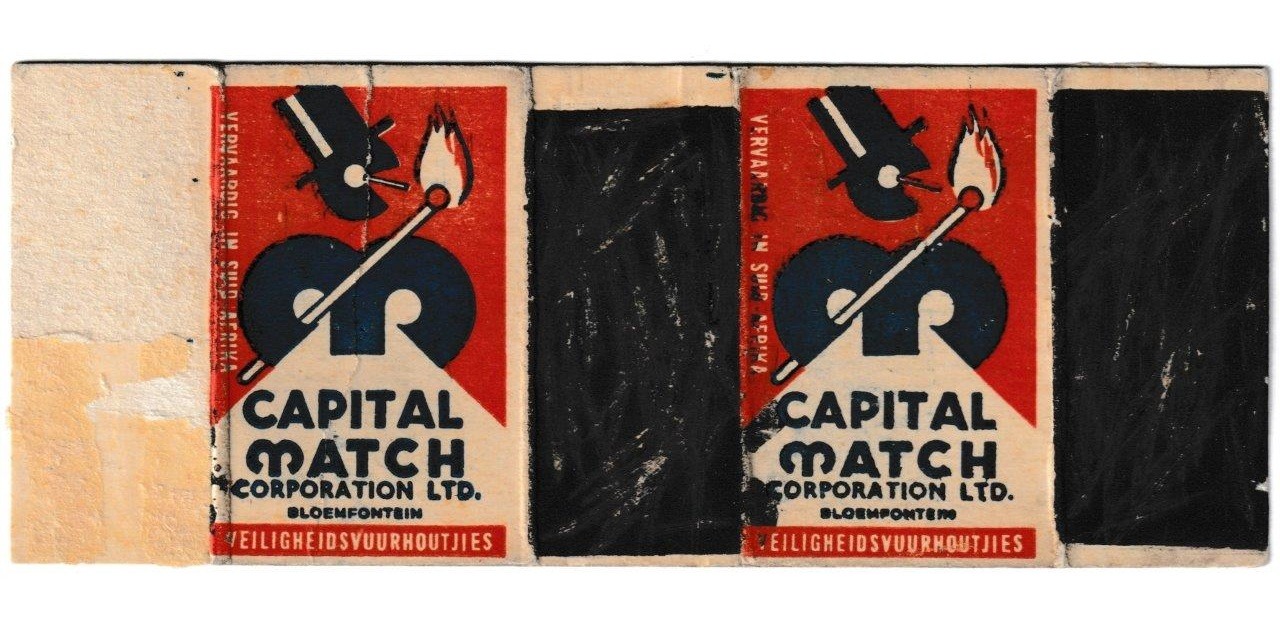 Skillet, Capital Match Corporation
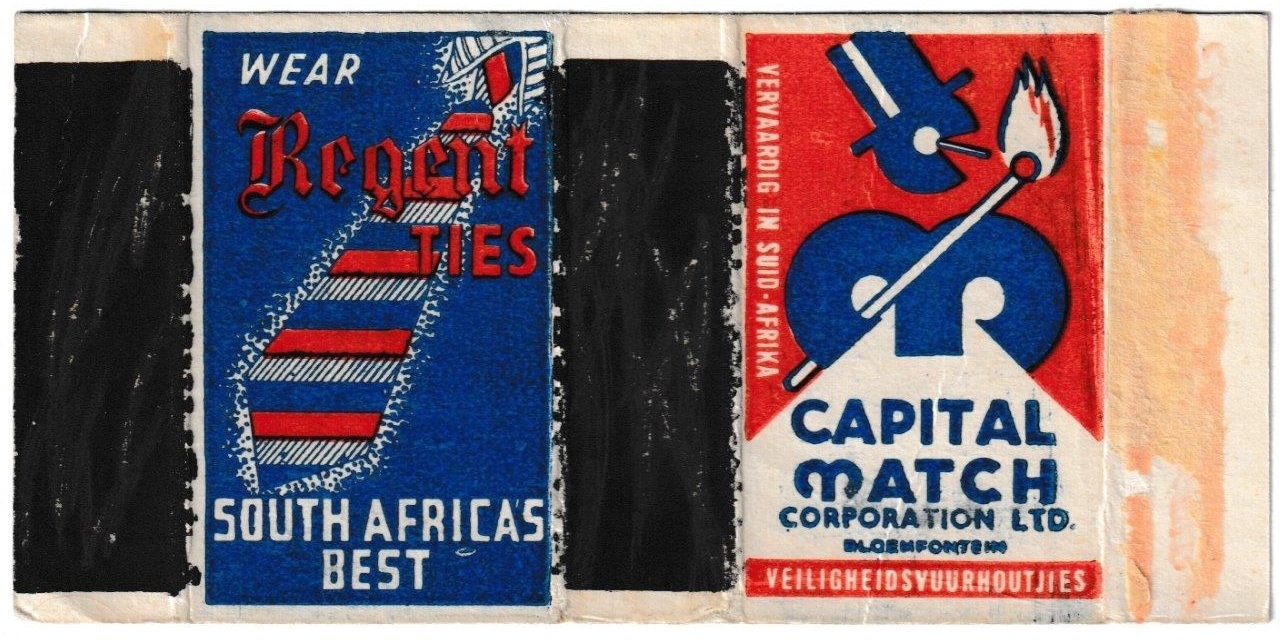 Skillet, with advertising