Spanish match industry

Exhibitor : Jesús María Bollo García
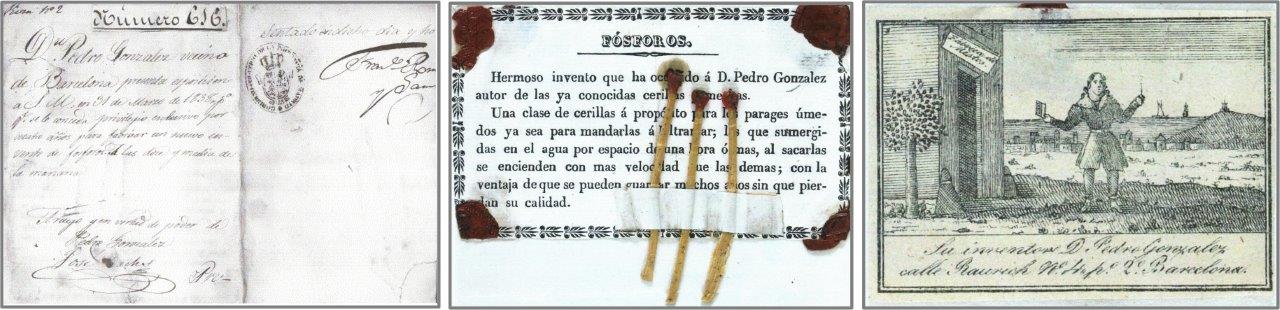
On 31st March 1836 the first patent for phosphorescent matches was filed with the Office of Privileges of Invention, an Office which had been created in 1826 by King Ferdinand VII (now the Spanish Patent and Trademark Office). The application included a sample of the matches and the label that identified them. The label displays the inventor’s name (Don Pedro González) and address (Barcelona). This label, now located in the Historical Archive of the Patent and Trademark Office in Madrid, can be considered the earliest surviving Spanish matchbox label.
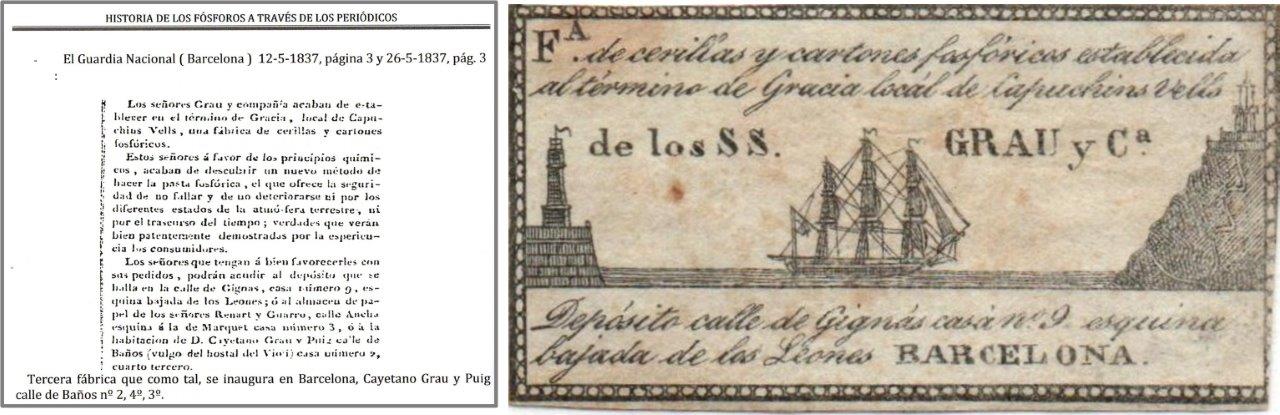
The second oldest documented label is now in my possession, which I was lucky to have won at auction where nobody else noticed it. I asked the former owner how he had preserved the label and if he was a collector. His answer was very curious: it had remained in his house, being used as a bookmark in the books of the family library.
The way I located it was also curious, because at that time I was preparing my book on Spanish Matchbox Manufacturers and I remembered the name of said manufacturer through the many clippings I found in the archive of the Spanish National Library. The surprise was seeing that the phrases included in the press article exactly matched those on the label, as you can see. Also, the design of both labels is very similar.
1850s to 1860s
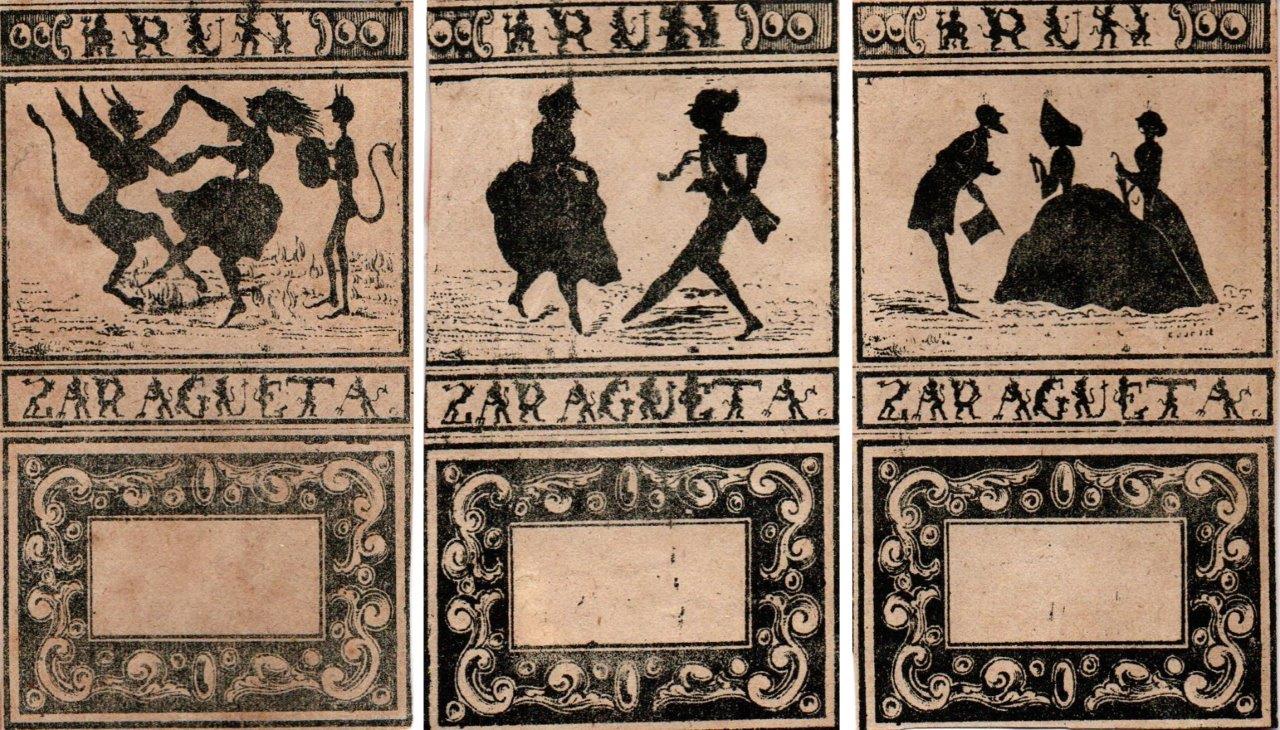
One of the most unusual series I own is from the Agustín Zaragüeta Factory in Irún (Guipúzcoa) and features Lucifer as its sole central figure, a character I haven’t seen in any other series.
Furthermore, it’s curious that it depicts Lucifer in a position that creates the corresponding letter shape.
1860s to 1880s
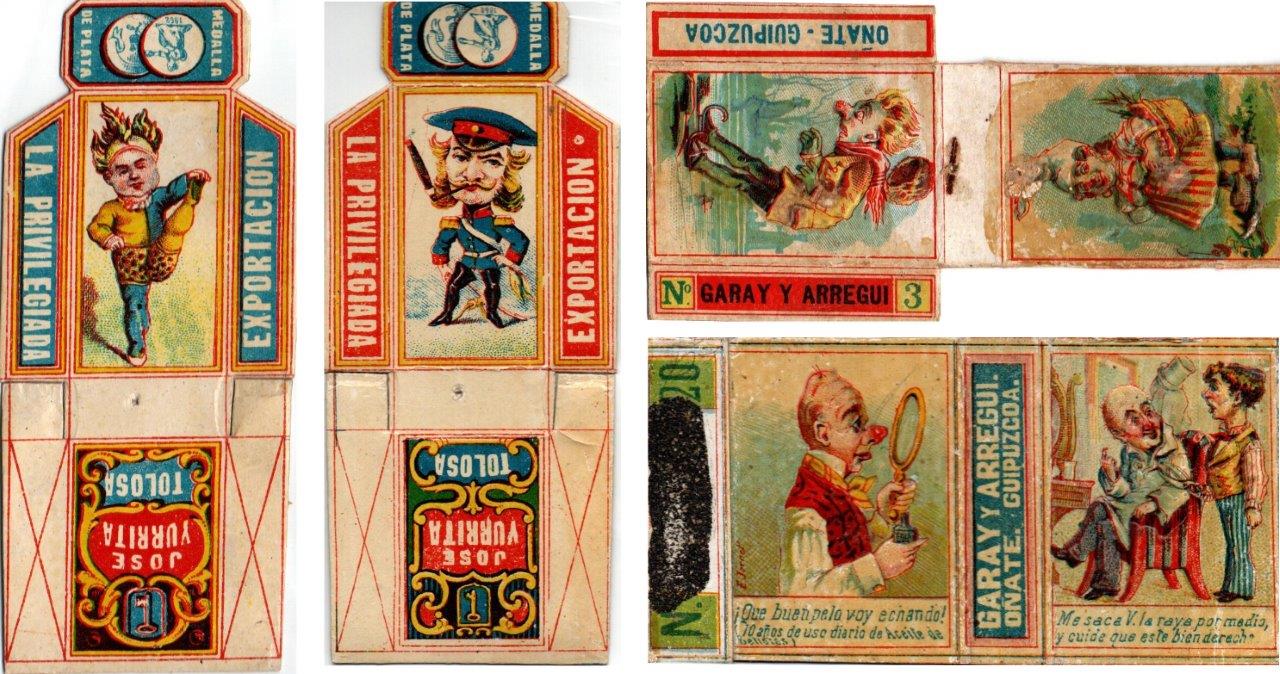
Advances in manufacturing, as well as influences between different manufacturing countries, resulted in imitations in the presentation of matches, both in the themes, in the vignettes and in the formats.
For example, the manufacturer José Yurrita imitated the French format for export boxes, while Garay and Arregui also did so with the Italian ones.
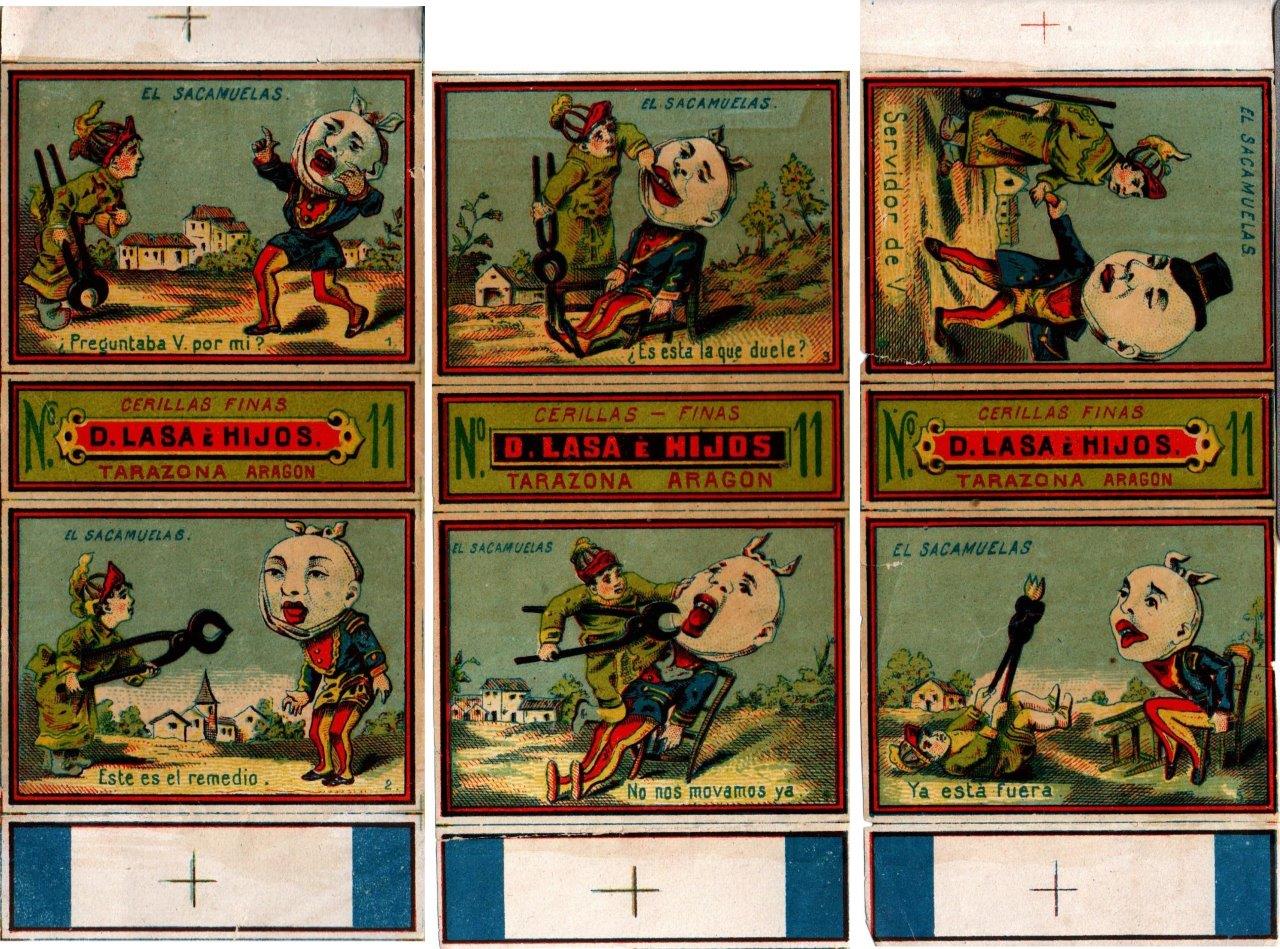
The beautiful series “The Tooth Puller” by Dionisio Lasa y Hijos is an imitation of the series of advertising cards that were made for the Labbey department stores in Paris, published by Vallet Minot.
1880s to the start of the 20th Century
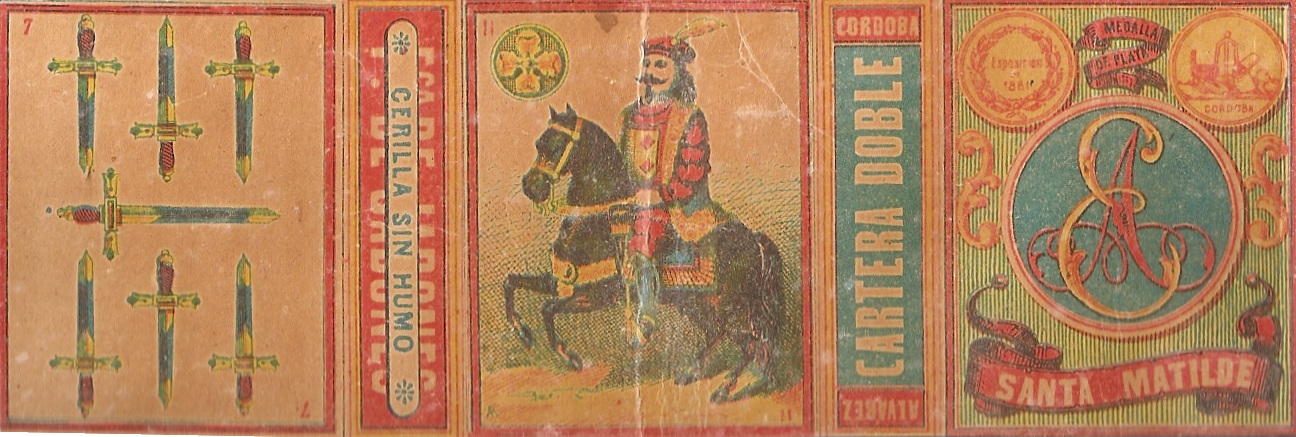
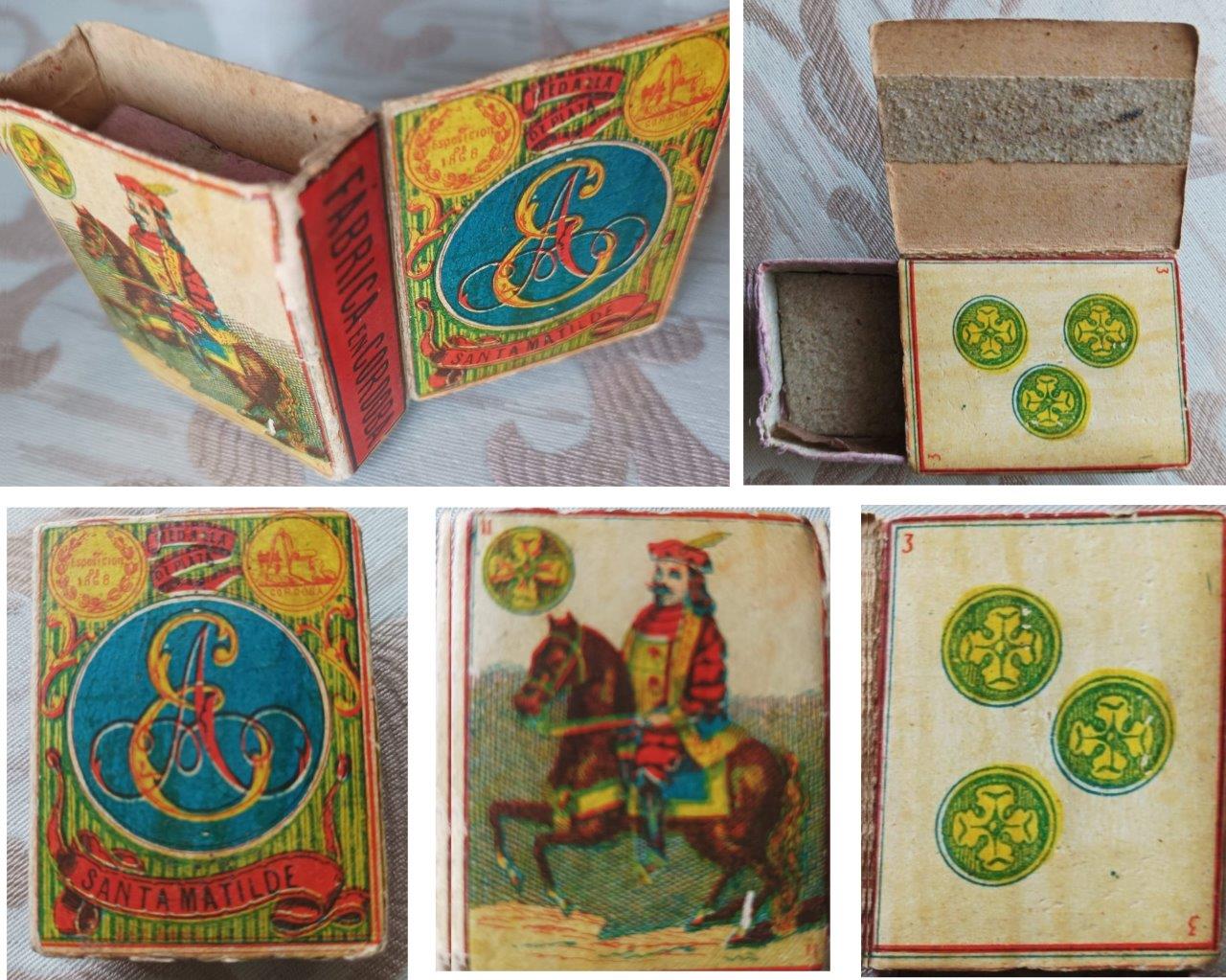
In Spain this period is characterized by the appearance of springflap matchboxes (cajas de gomitas) with three-part labels. At first I didn’t understand the latter, as I was used to seeing springflap boxes but didn’t quite grasp their significance until the mystery was solved when I was able to obtain a complete box, something which is very difficult to find nowadays.
1892, nationalisation
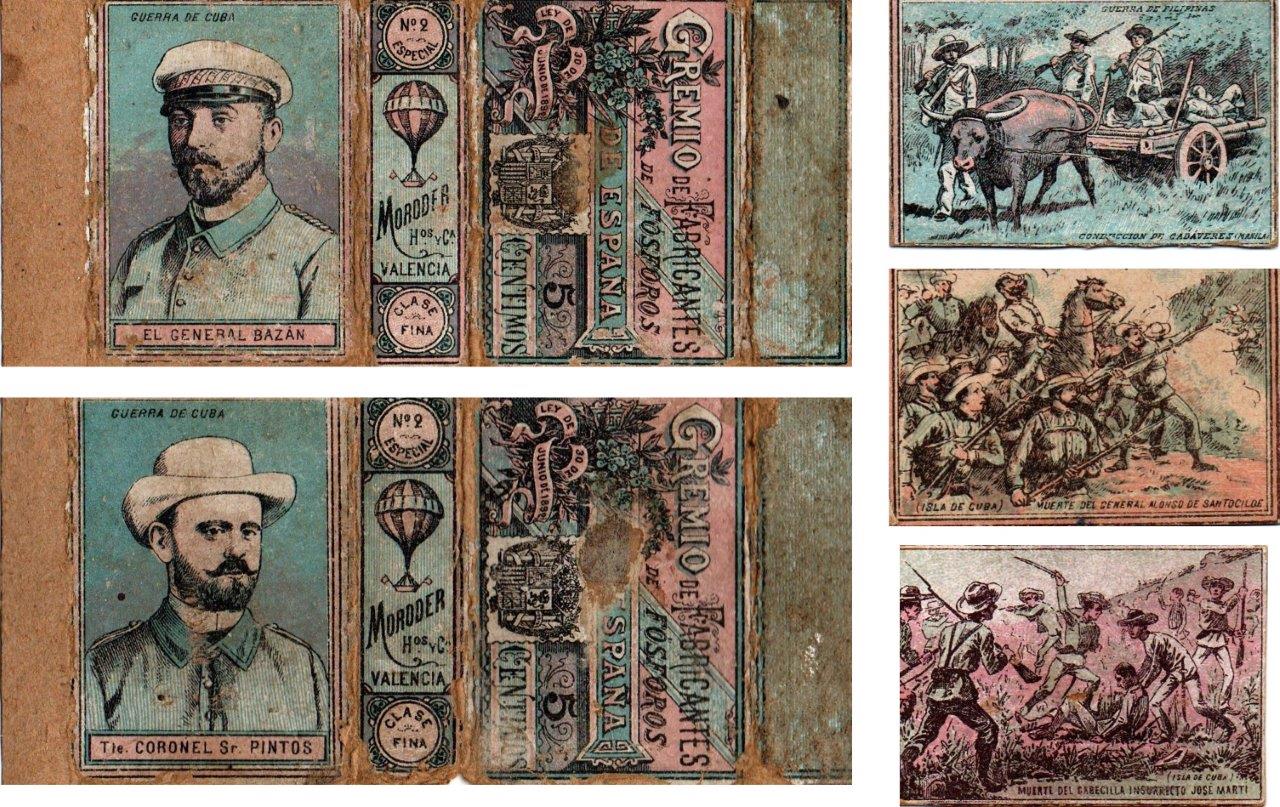
The Spanish Government needed to raise funds and decided to nationalise the match industry by passing a law on 30th June 1892 creating a state controlled monopoly – the Gremio de Fabricantes de Fósforos de España, which would run for 15 years. This reduced the number of match factories to around 55 and gave a quota to each factory based on their production capacity. Matchboxes of this period were labelled “Gremio” but also showed the family/factory names of the manufacturers. This is the period of the famous Spanish Inserts.
1908 to 1956, Monopolio, Hacienda Pública and CAF
When the Gremio contract expired in 1908 the Government created a new Monopoly to be run by the Exchequer. Only 21 factories survived, and boxes of this period show “Monopolio de Cerillas y Fósforos”. But by 1911 the Exchequer found it difficult to run a commercial company and a new law granted it more powers. Nine factories were closed, leaving 12 operating.
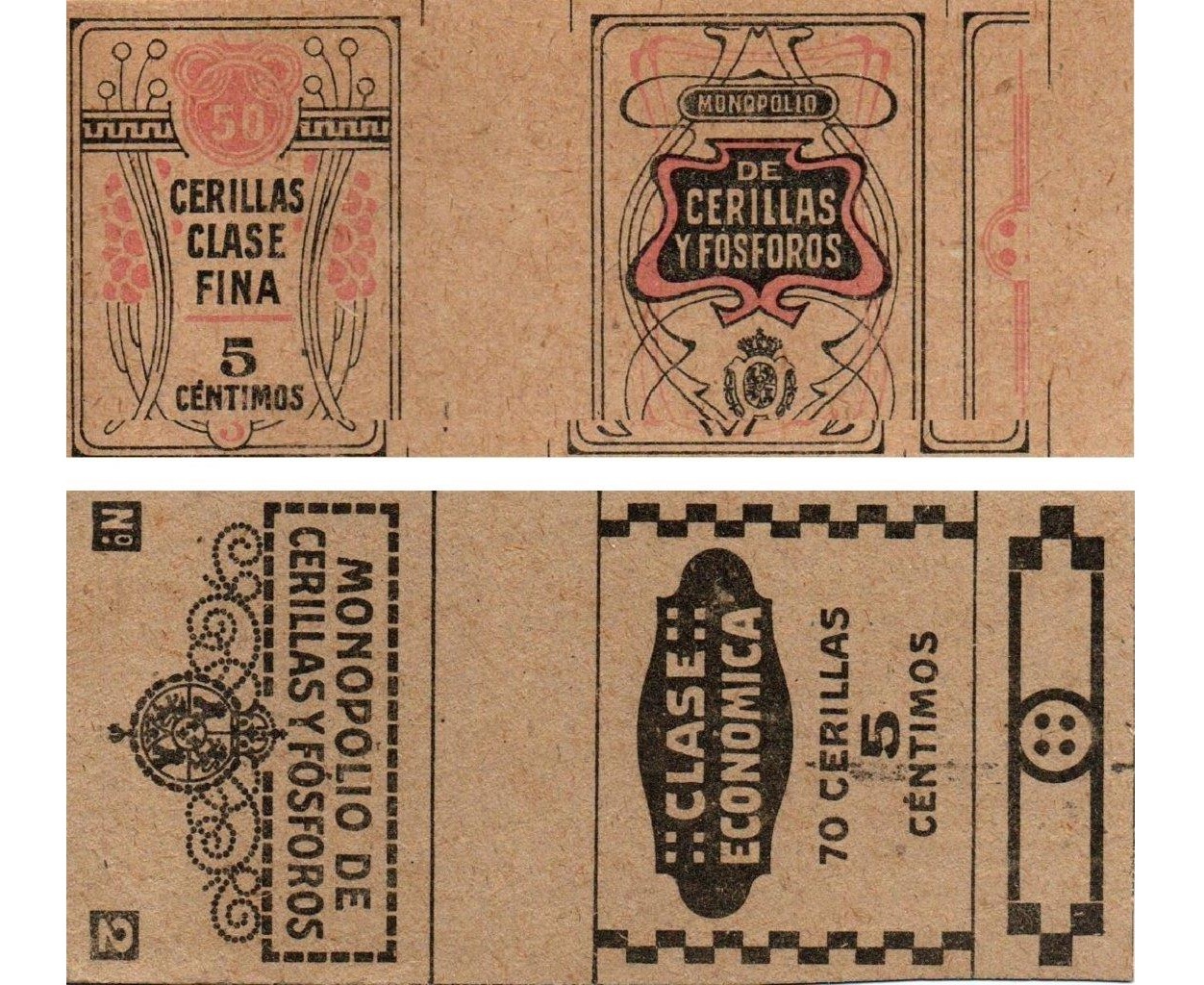 Matchboxes from Monopolio de Cerillas y Fósforos
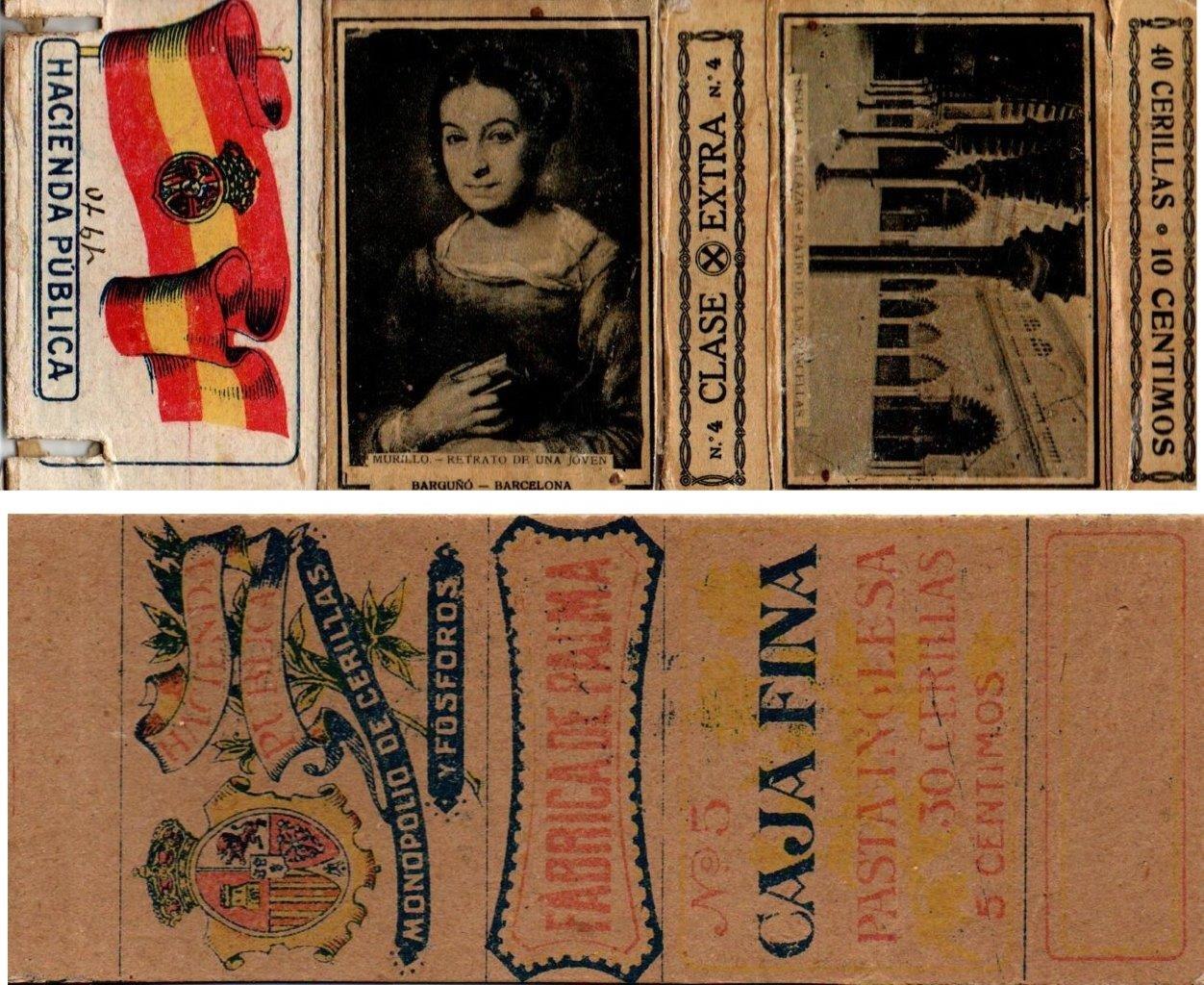 Matchboxes from Hacienda Pública
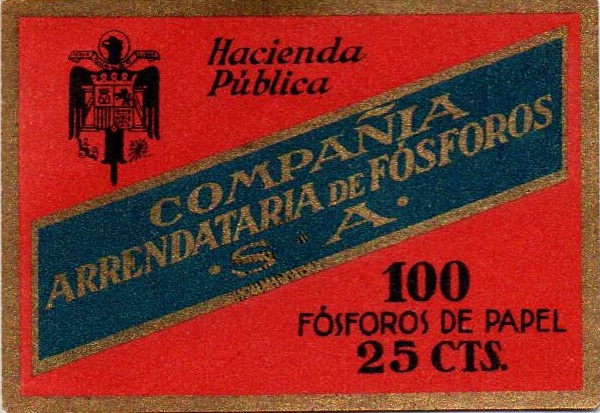
In 1922 the government saw that revenues were not satisfactory, and an auction for a new state-controlled company was won by the Compañía Arrendataría de Fósforos (CAF). Boxes from this period show “Hacienda Pública” and “CAF” but no factory names. The boxes were made of card, some used the old springflap design with all-round-the-box-labels others had the images printed directly onto the card.
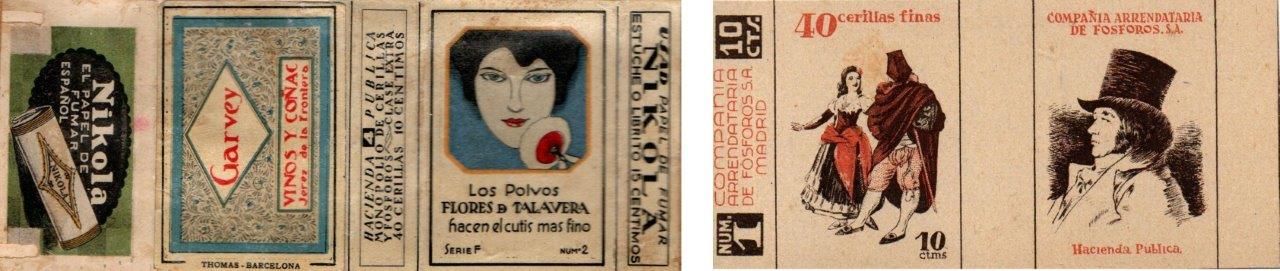
1956 to 1992, privitasation
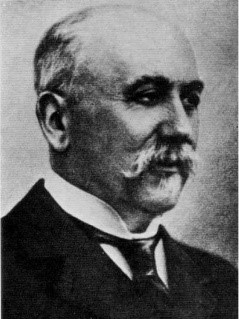
In 1956 the Government decided to place the industry back into private ownership, and the auction was won by Grupo Fierro. Two new companies were formed : Fosforera Española and Fosforera Canariense, and the factories in Alcoy, La Coruña, Palma de Mallorca and Sevilla were closed.
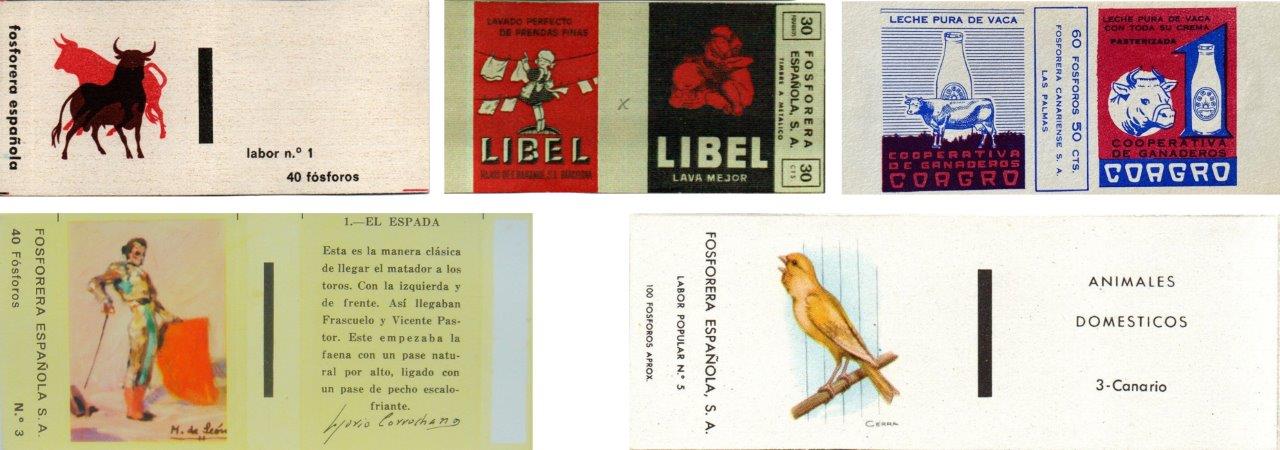
In 1975 two more match companies were formed : General Fosforera and Fósforos del Pirineo.
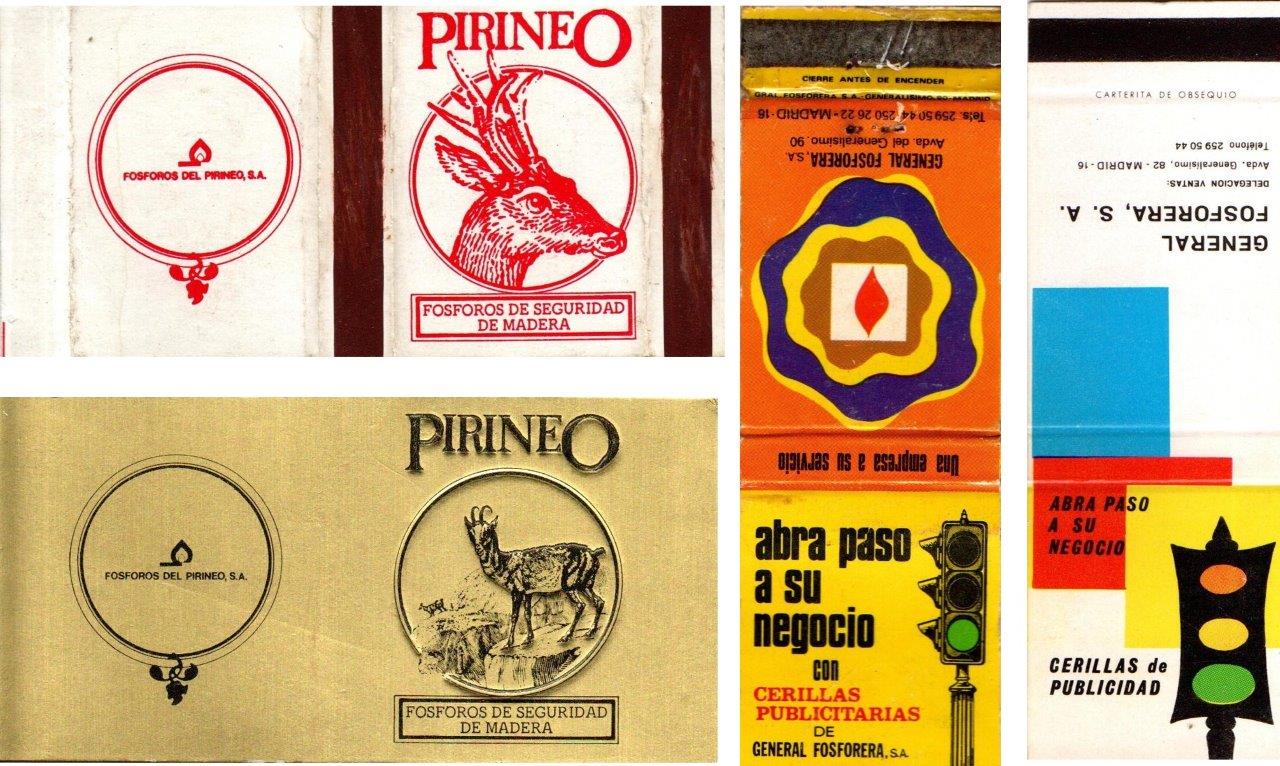
1992 to 2001, Swedish Match
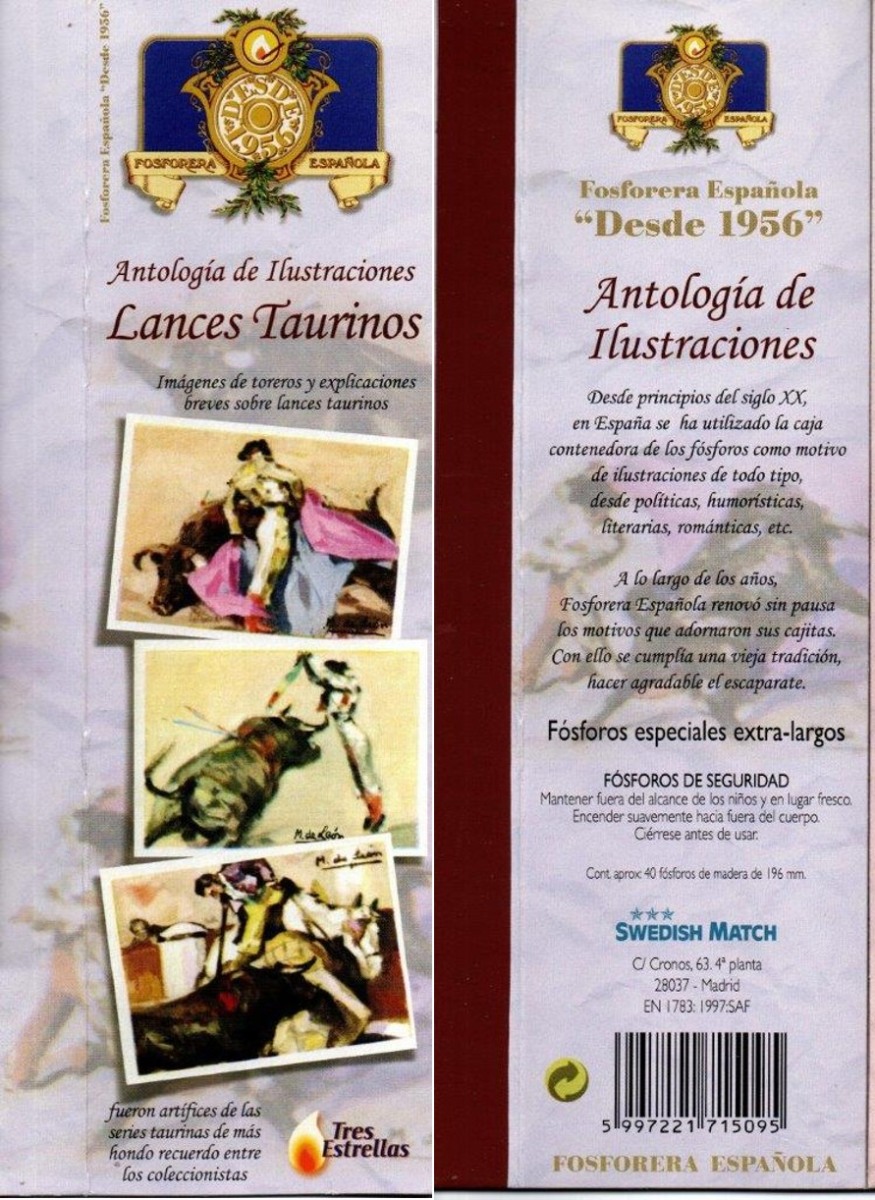
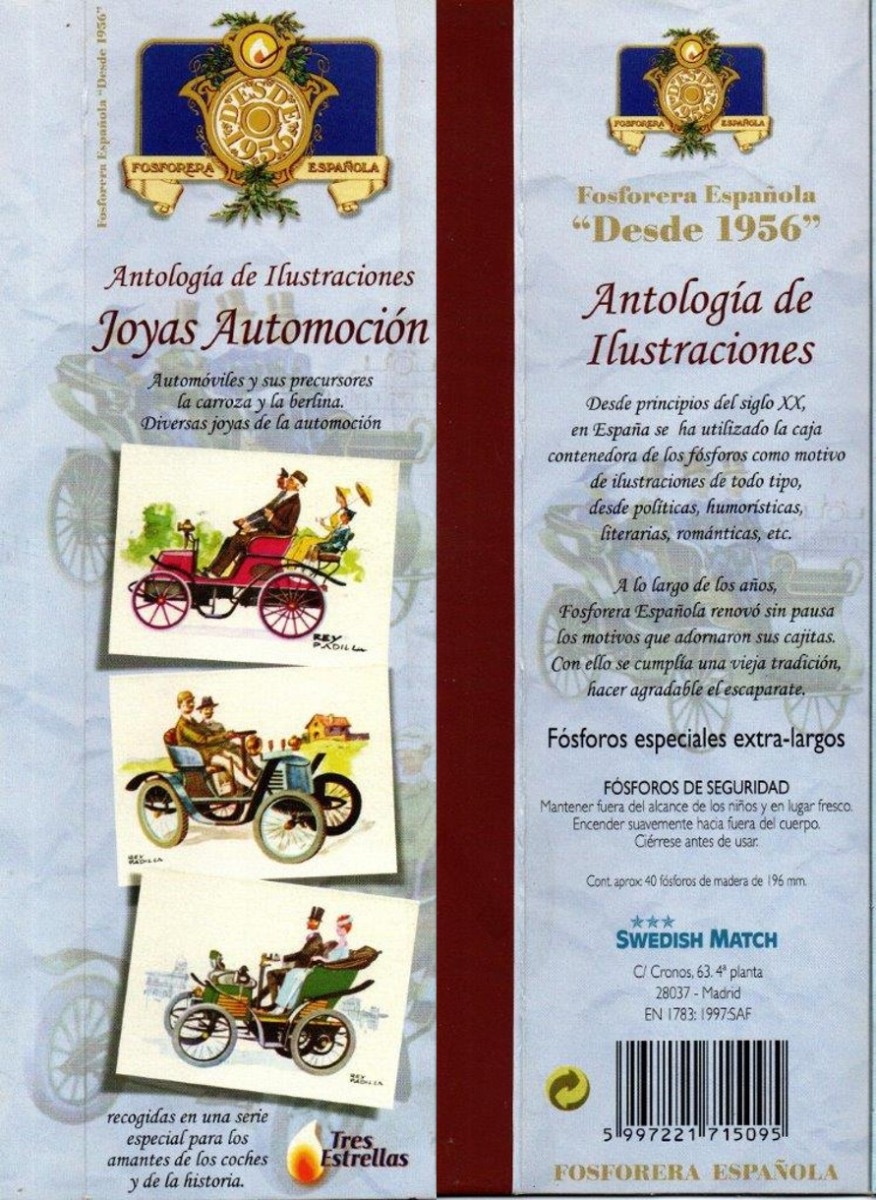
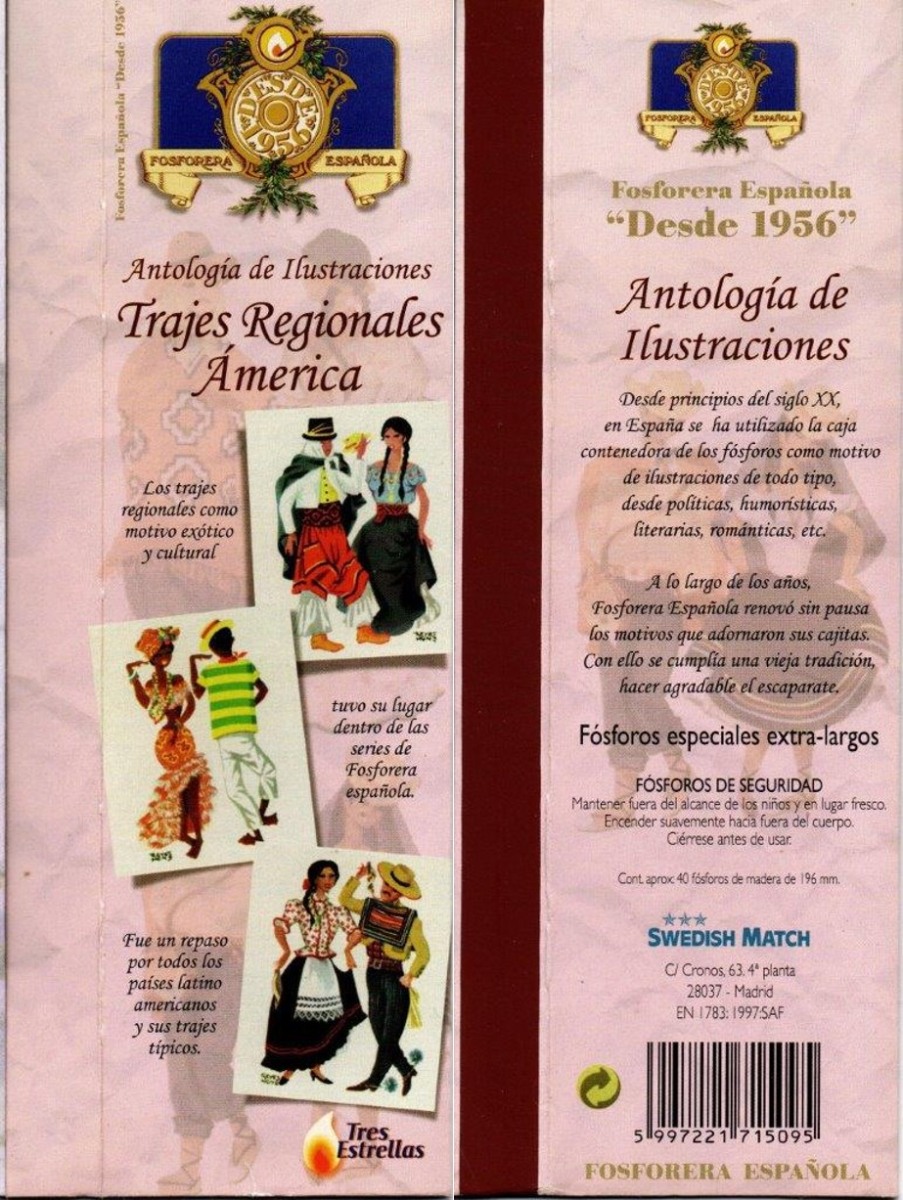
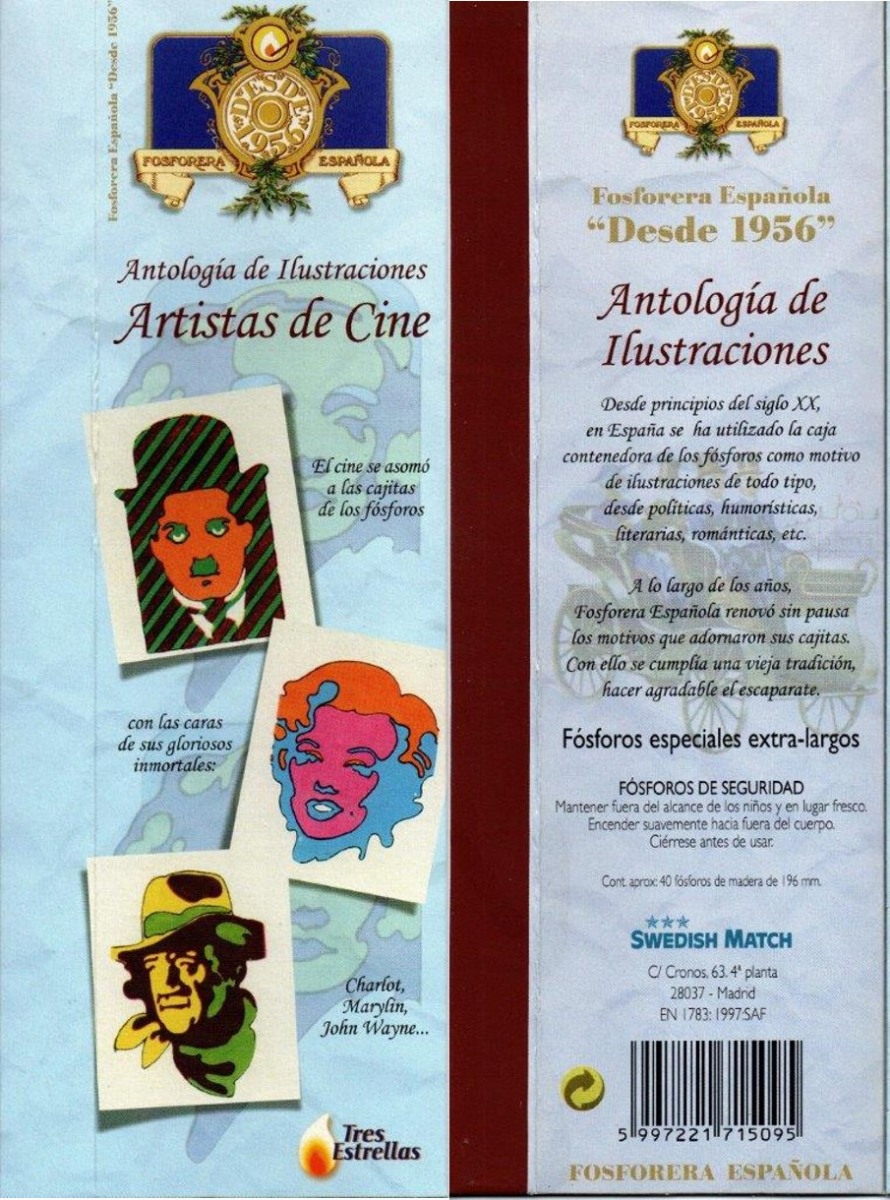
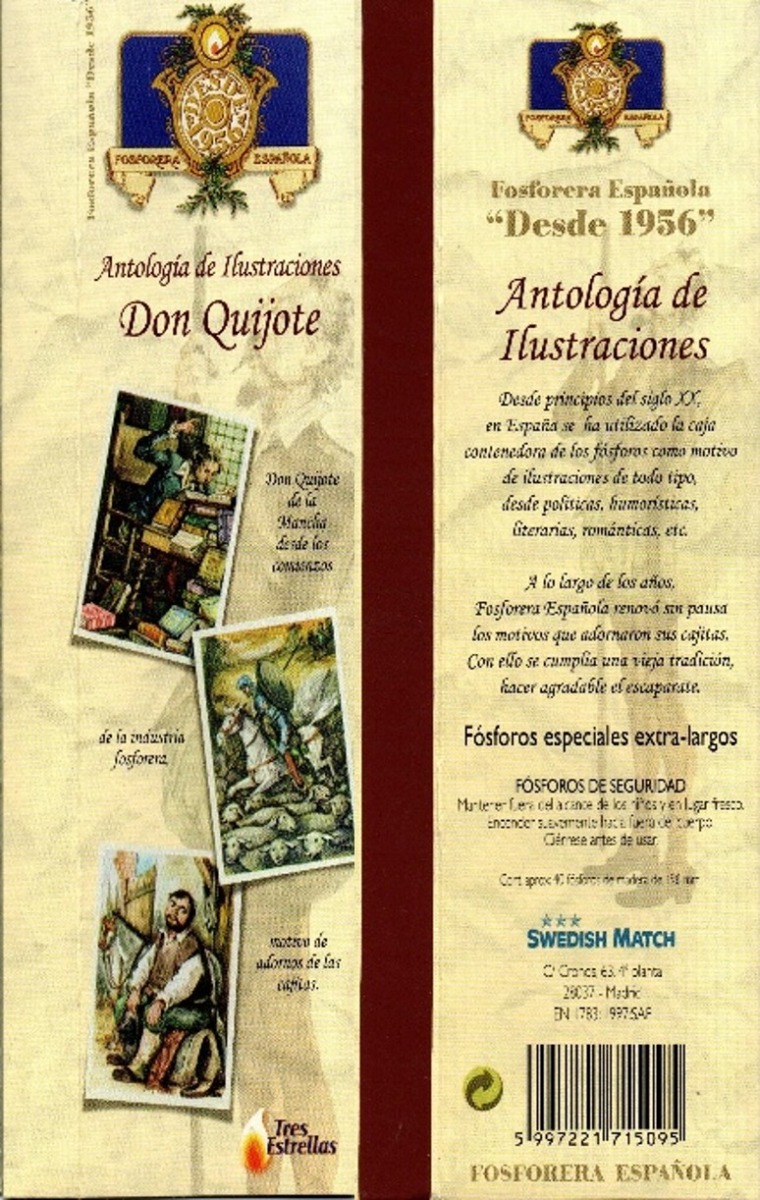
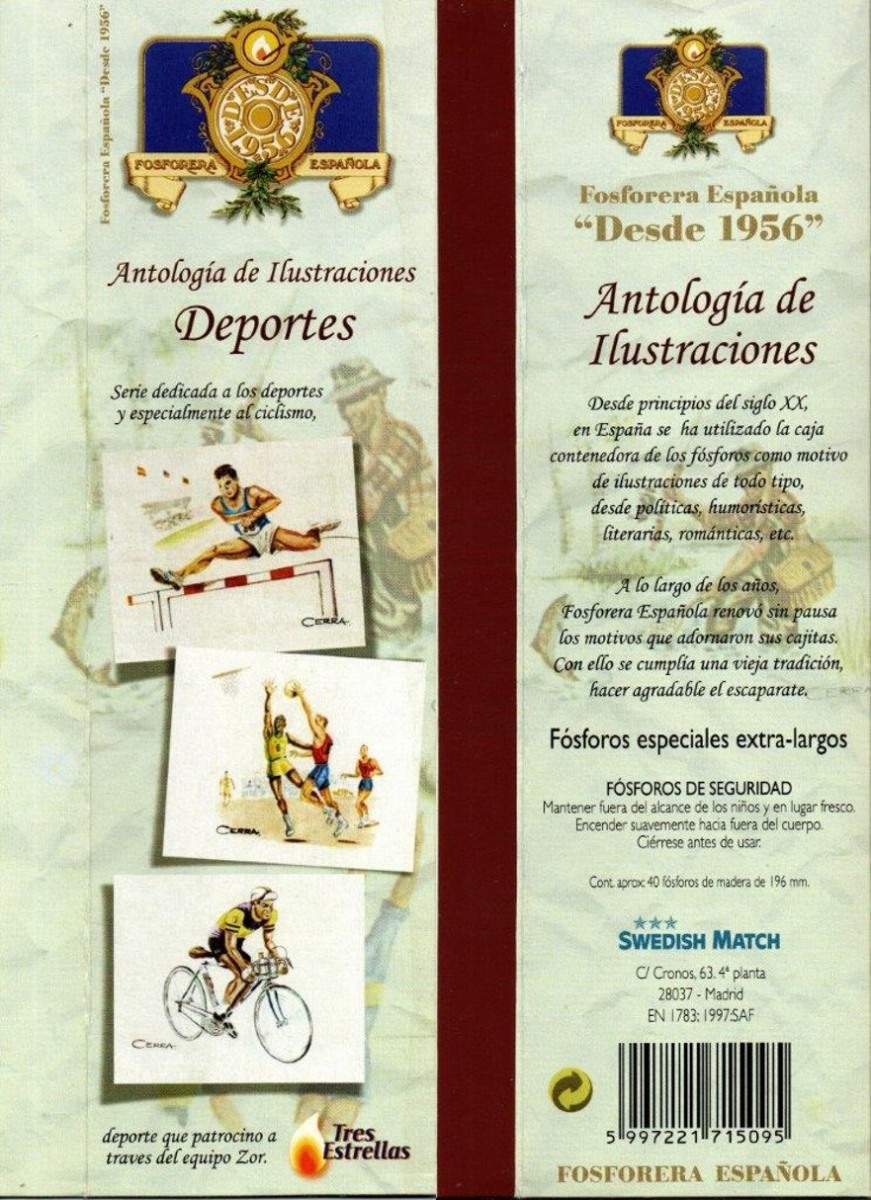
Ownership of the industry transferred to Swedish Match in 1992, Fosforera Española disappeared, the first series of matchboxes began to be manufactured in Valencia by Swedish Match. Here we present the first and I believe the only series, in which, as a tribute to its predecessor, it included the image of some of the Fosforera Española series, even the “Fosforera Española” logo.

Bonus exhibit : Garay, five generations of a match dynasty
Cornelio Garay Zuazubizcar was born on September 16, 1842 in Arechavaleta. His father, José Pablo de Garay, founded a match factory in the city in 1854 with the company name Echeverría, Garay y Lasa.
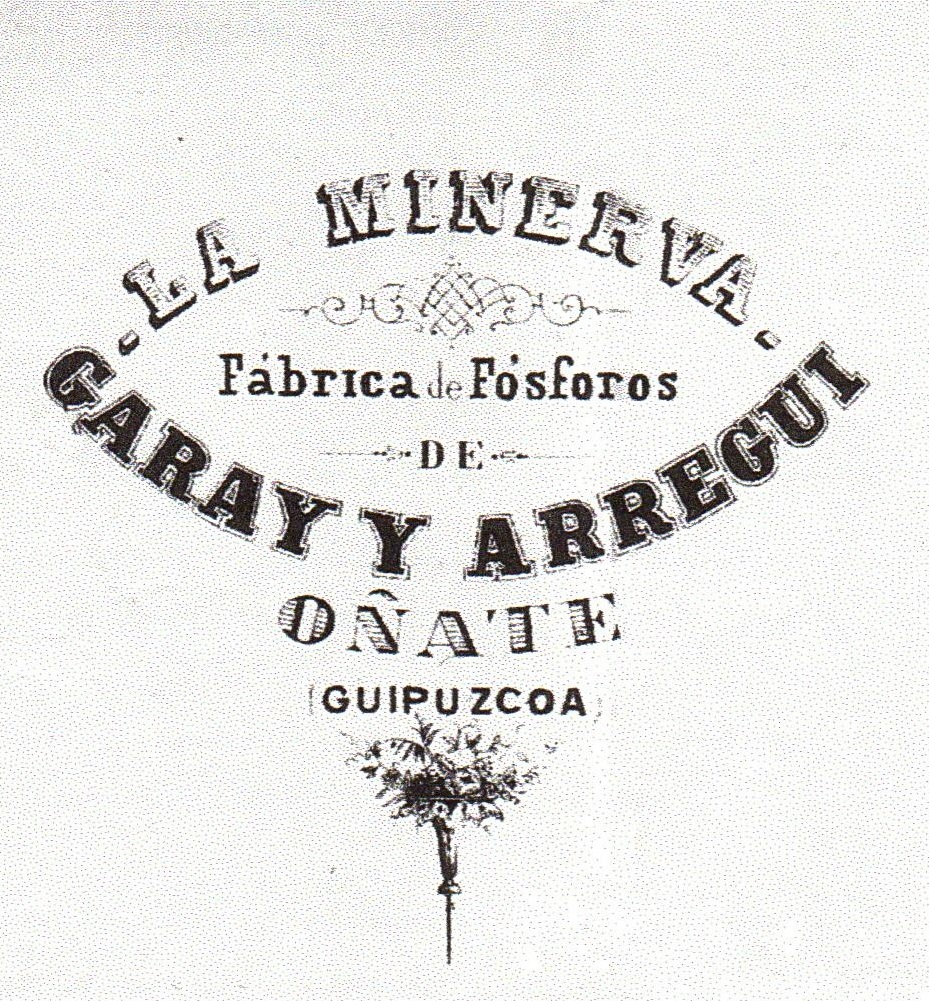
When his father died Cornelio remained in charge of the business, but in 1864, at the age of 22 and together with two other partners Vicente de Arregui and Francisco Jáuregui, they created a new match factory in Oñate, La Minerva, under the company name Garay y Compañía.
This factory would go on to become the second largest match factory in Spain.
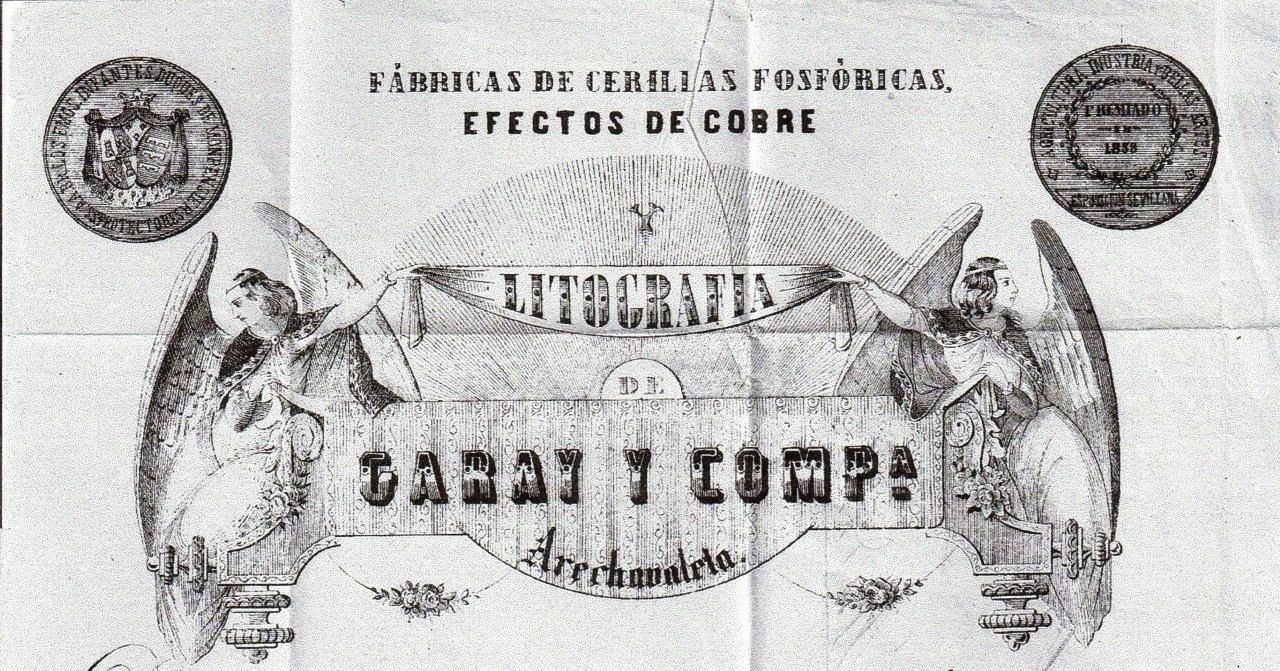
In August 1869 Francisco Jáuregui sold his shares to his two partners and the company changed its name to Garay y Cía. Jáuregui moved to Madrid when their factory in Fuenterrabía “La Cantábrica” suffered damage during the 3rd Carlist War.
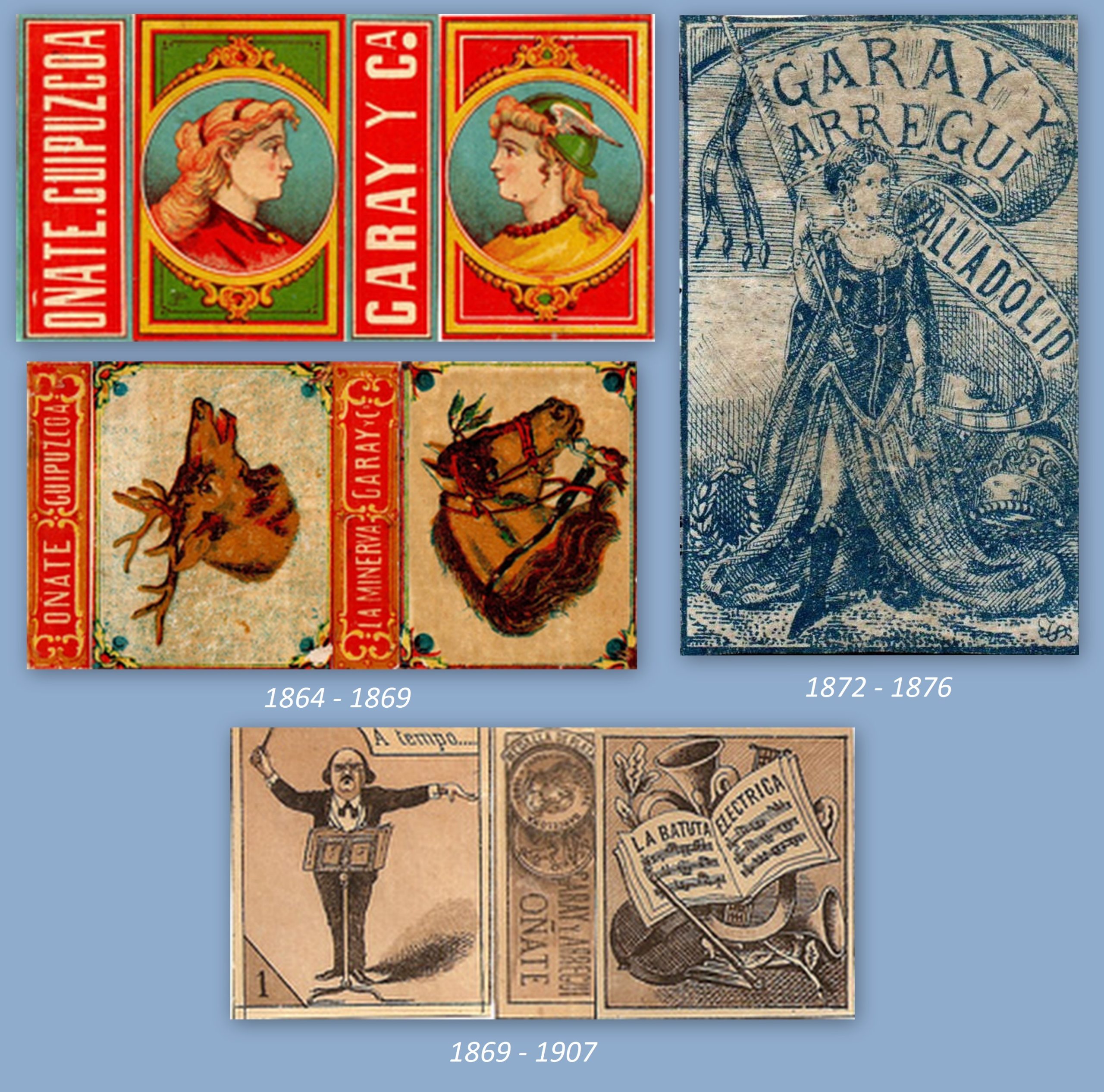
This same war gave rise to Cornelio Garay, in turn, having to leave Oñate and move to Valladolid for the duration of the war (1872-1876), where he created another match factory. Cornelio had received death threats, as had the mayor of Oñate.
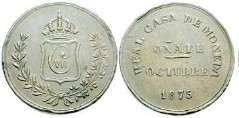
Between 1872 and 1875 the factory became the Royal Mint of the Carlists, minting coins the size of one duro (1 duro = 5 pesetas).
After the war ended in 1876, Cornelio returned to Oñate and resumed the manufacture of matches.
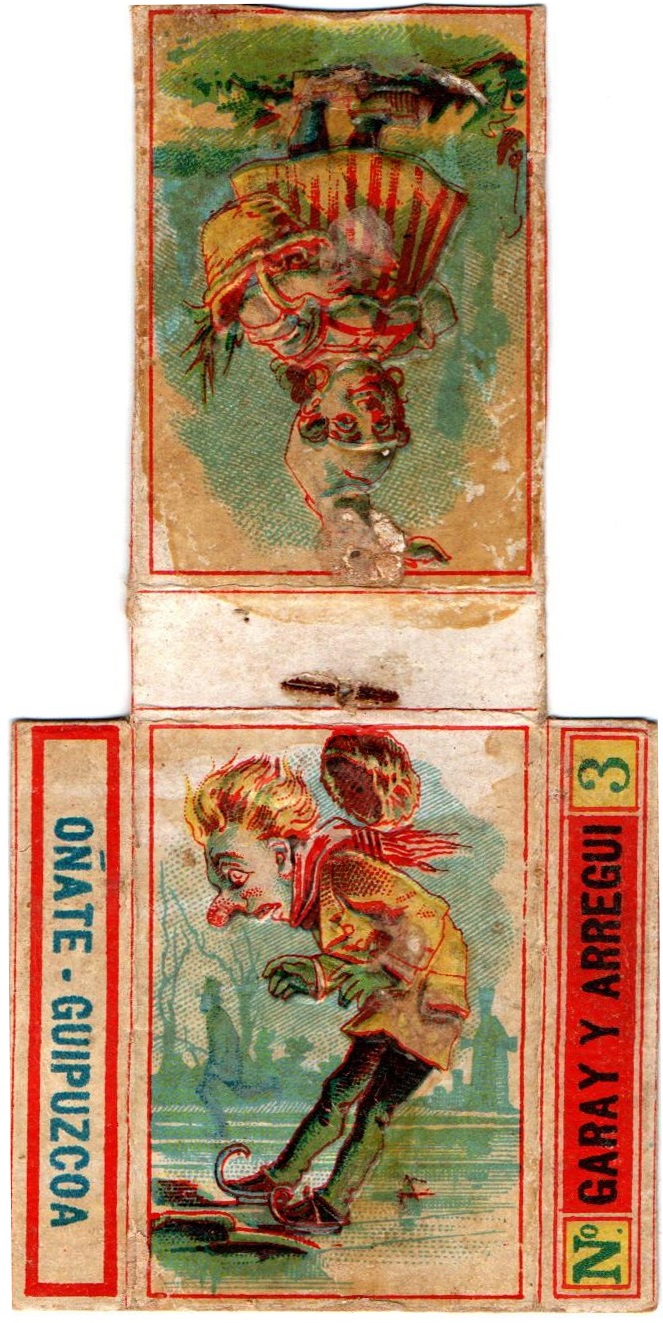
When Jáuregui left, the Garay family name had become strengthened because Vicente Arregui had married Cornelio’s sister. Then when Vicente died his widow left the management of the company in the hands of her brother.
- In 1886 Cornelio patented a cardboard box whose main purpose was to package matches
- In 1888 the factory incorporated a water wheel and participated in the Barcelona Universal Exhibition. At that time it had 300 workers and produced 70,000 matchboxes a day
- In 1892 the company documents were created by which Cornelio and his son Juan Garay were in charge of the administration of the company
- in 1900 Cornelio died and Juan took on the direction of the company
- In 1907 the company is expropriated by the Spanish state
Juan Garay had five children, three boys and two girls. Luis, Cornelio and Juan succeeded him, although they were already in the factory. Luis took on the general management, Cornelio the technical areas and Juan the rest of the business.
Here are some examples of matchbox labels from the Garay factories.
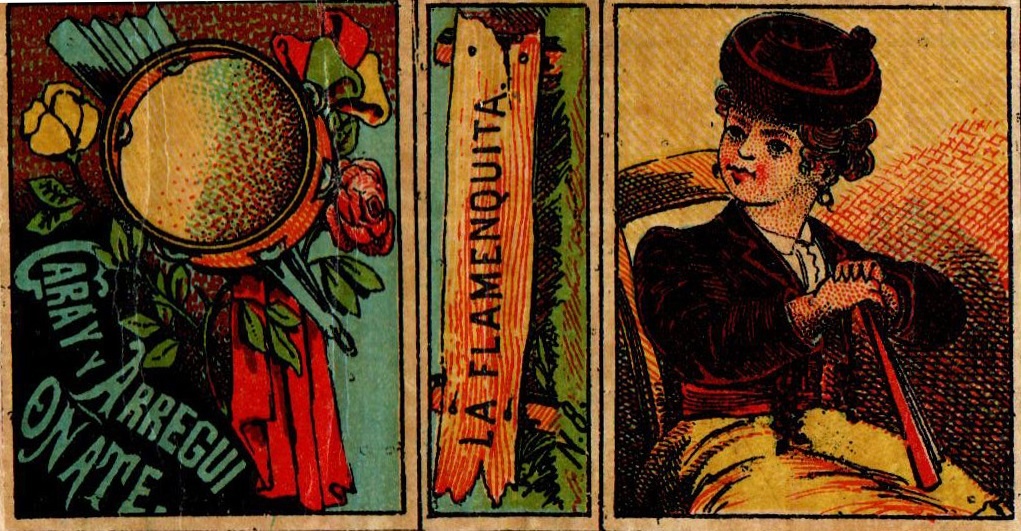 La Flamenquita
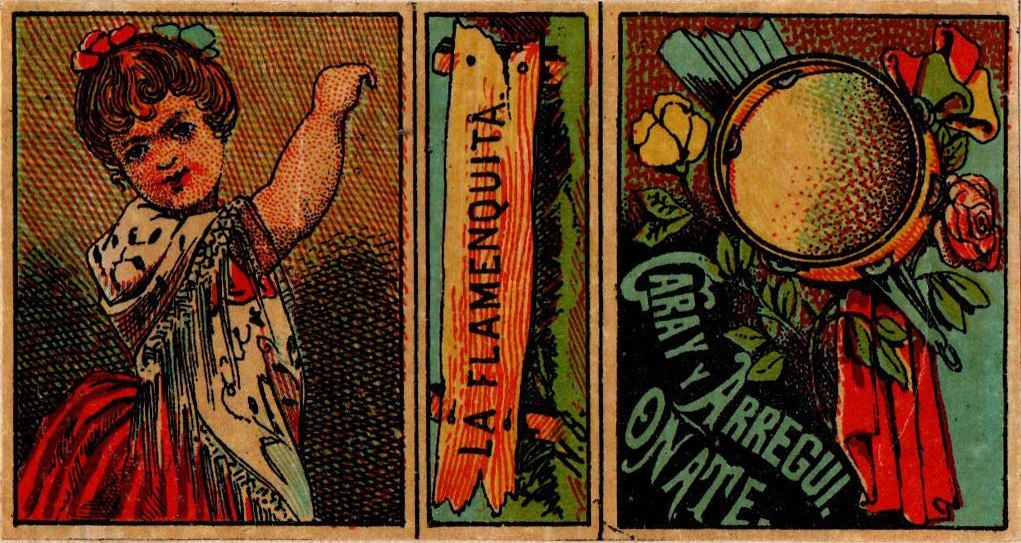 La Flamenquita
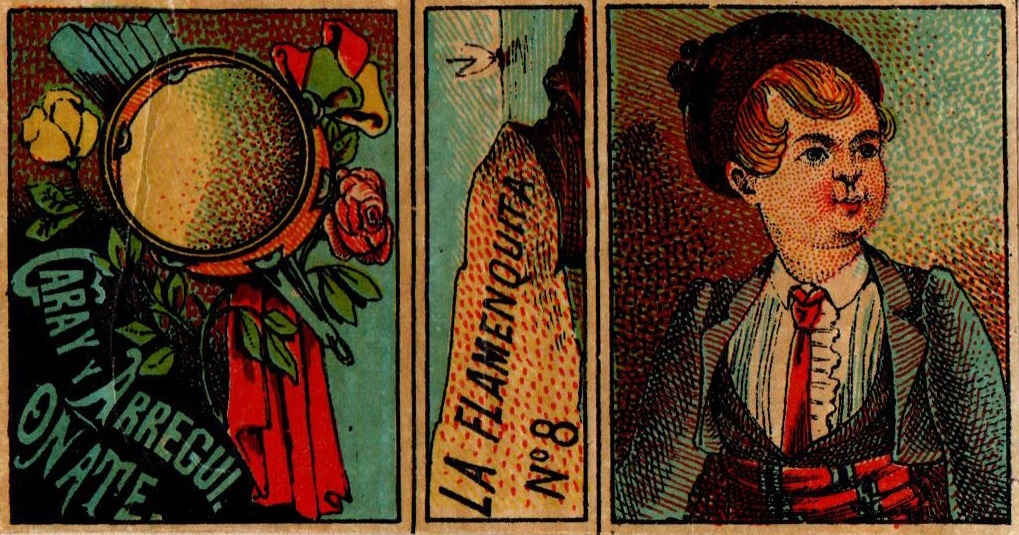 La Flamenquita
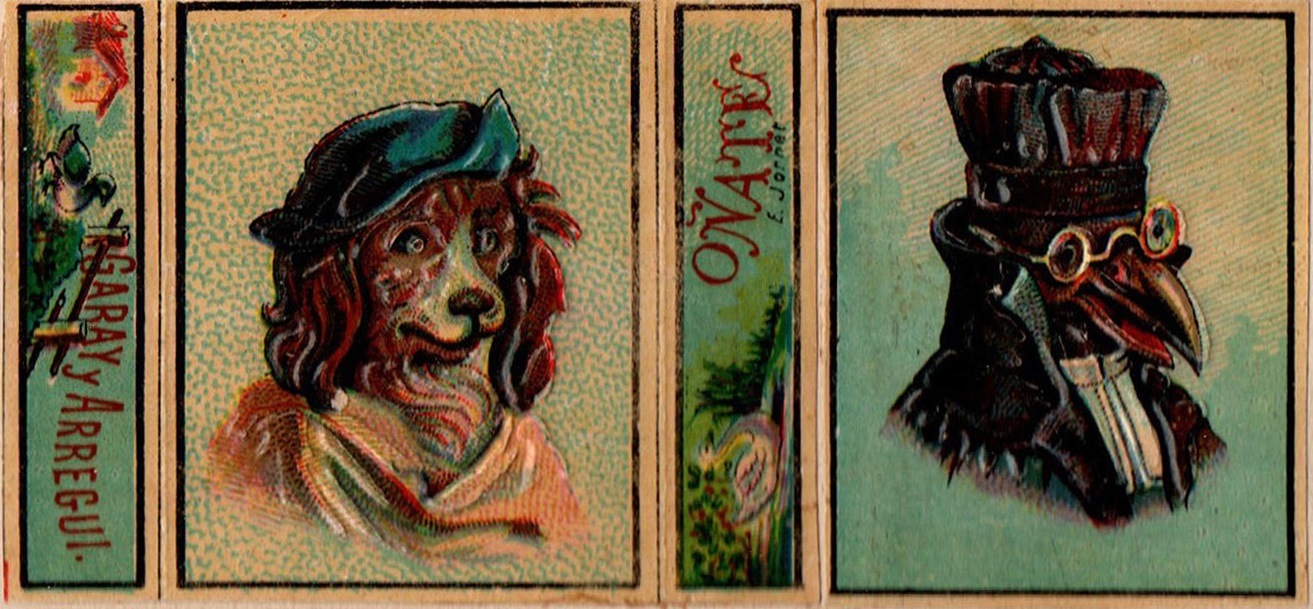 Series 17 - animals in disguise
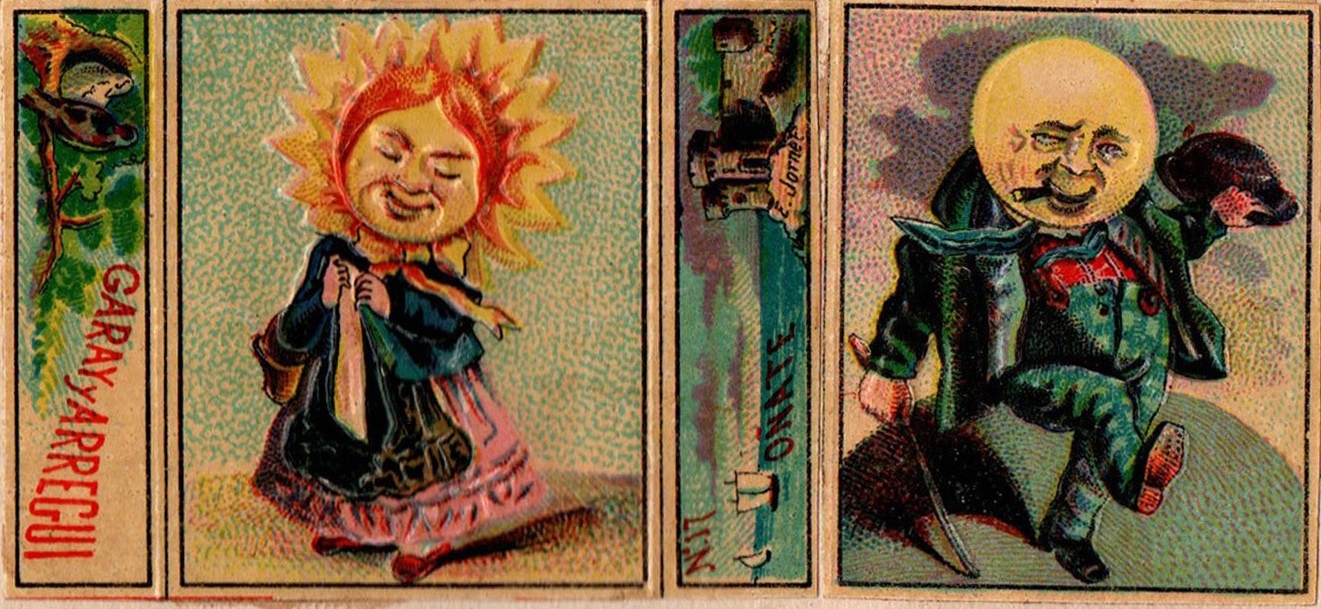 Series 17 - Sun and Moon
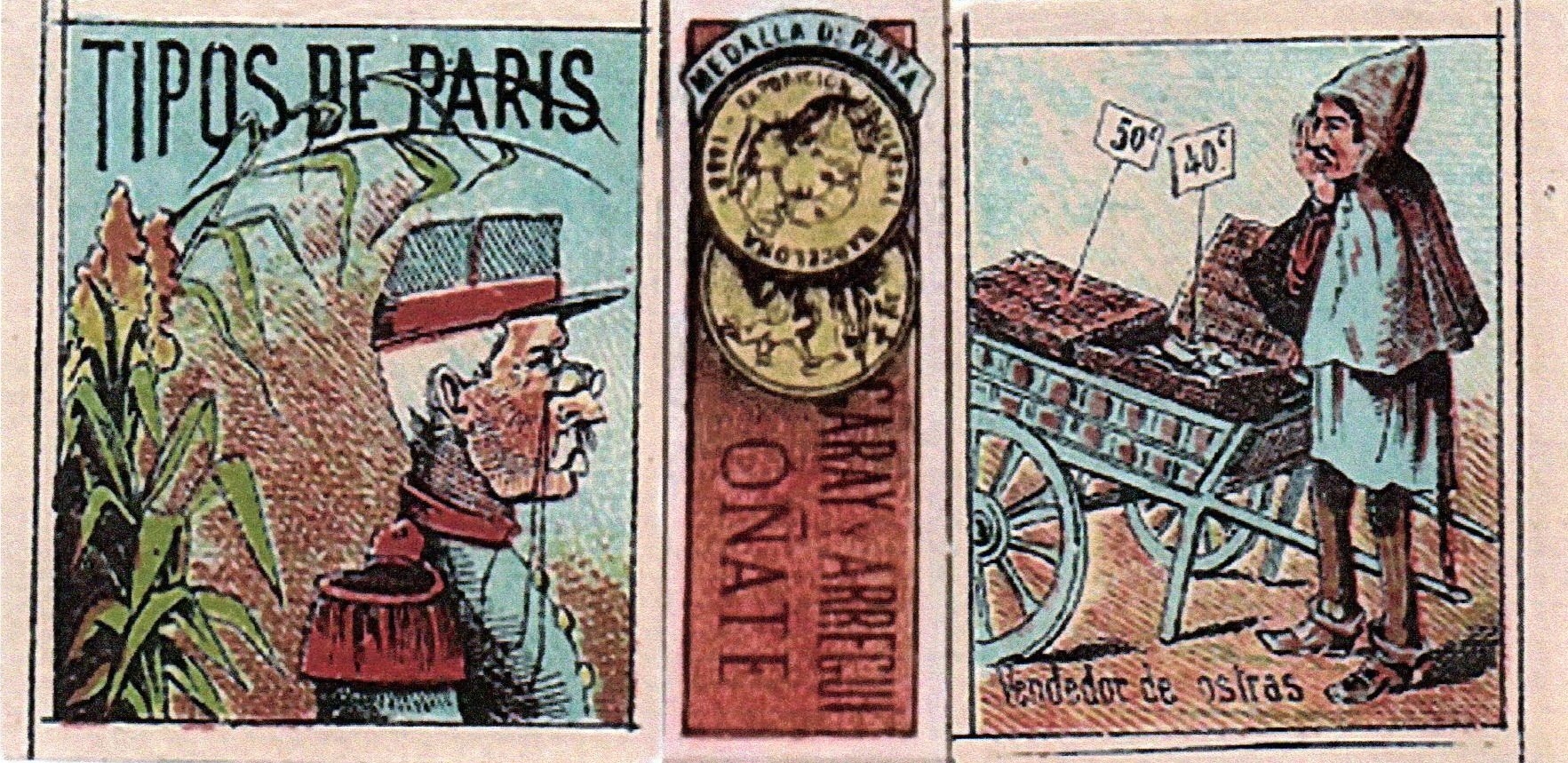 Tipos de Paris series - Oyster seller
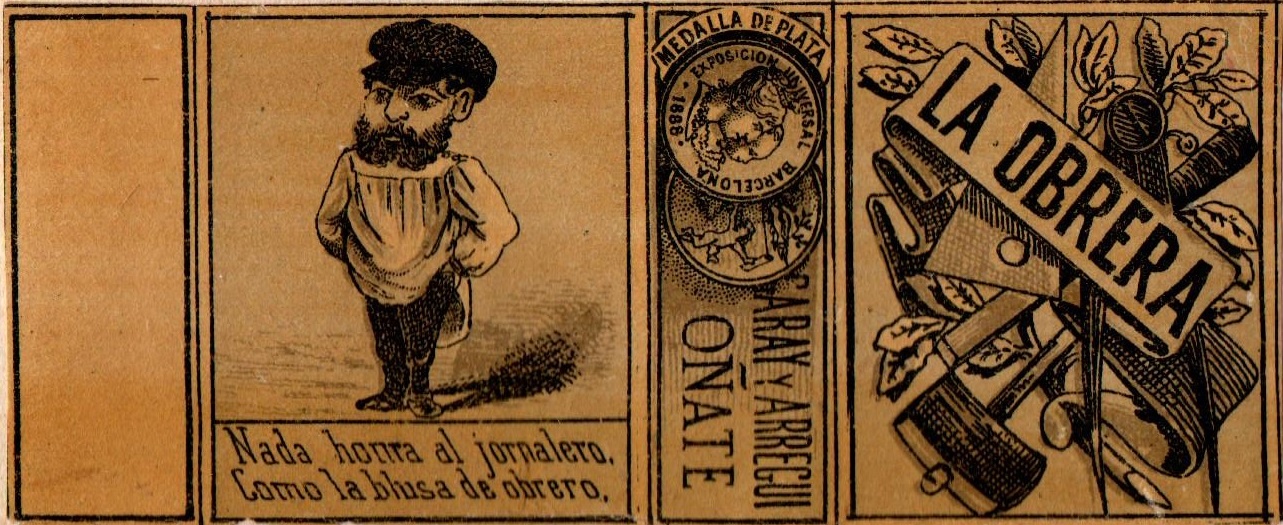 La Obrera series
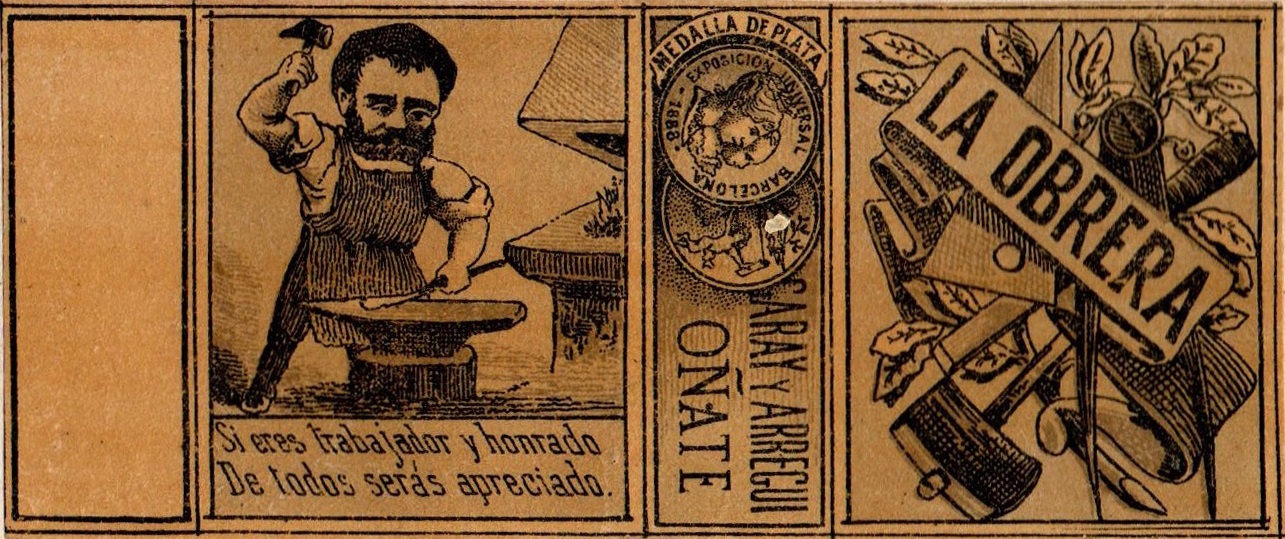 La Obrera series
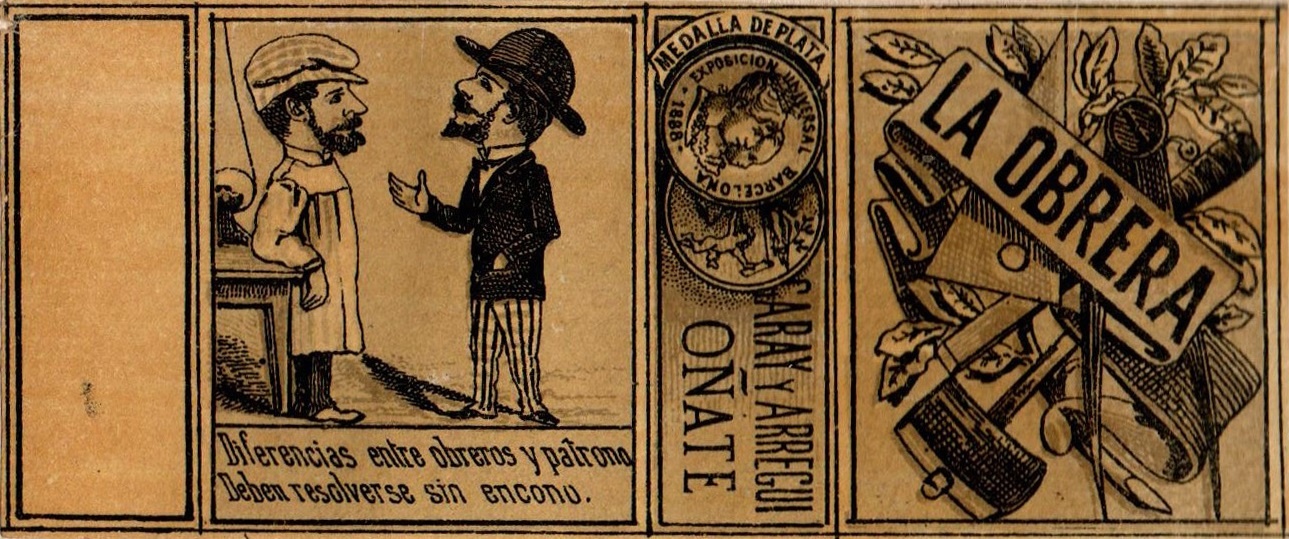 La Obrera series
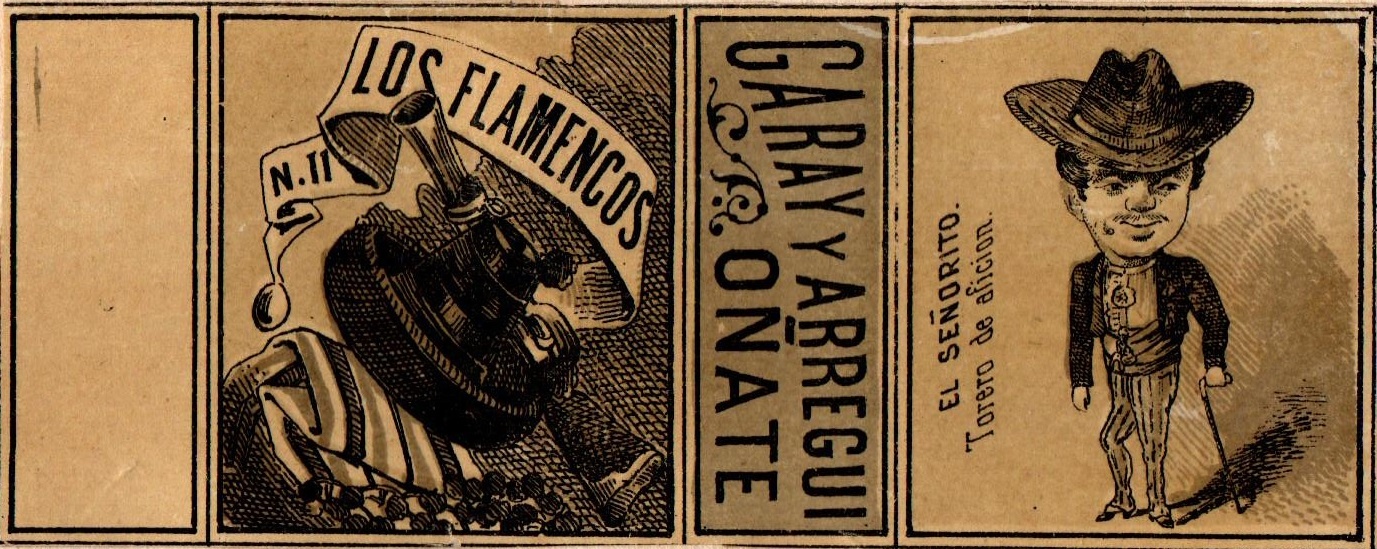 Los Flamencos series
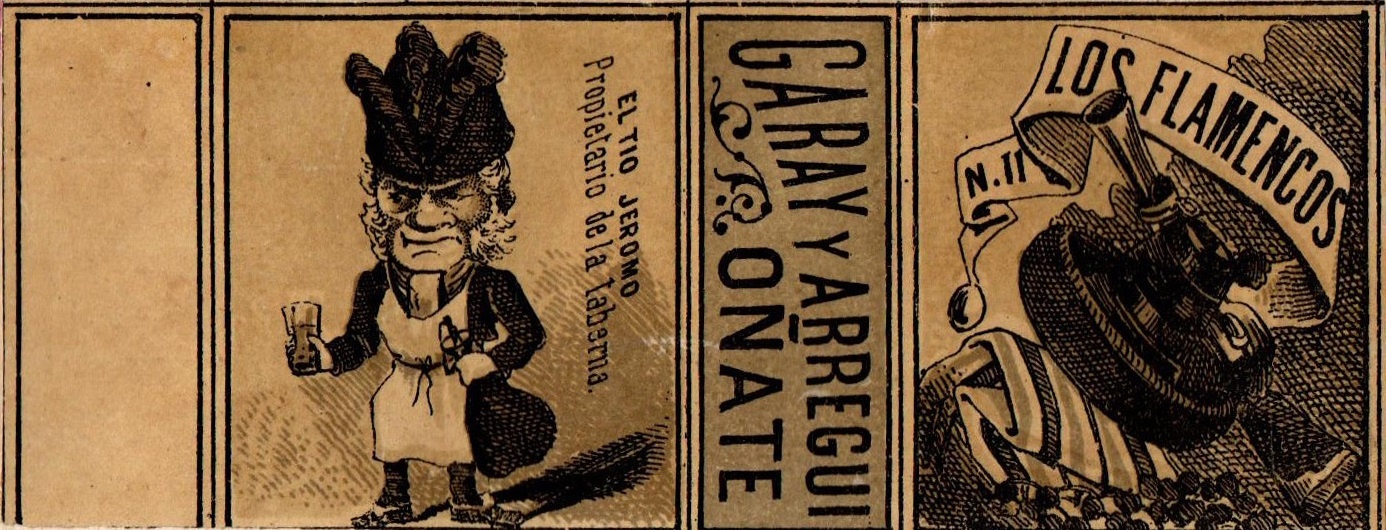 Los Flamencos series
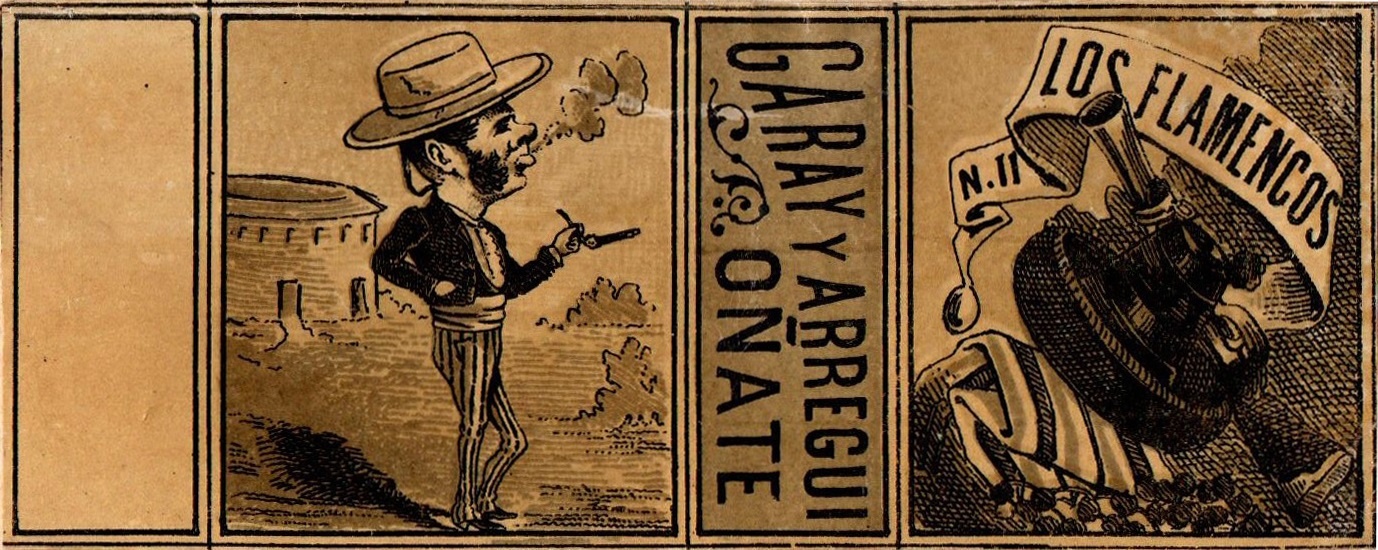 Los Flamencos series
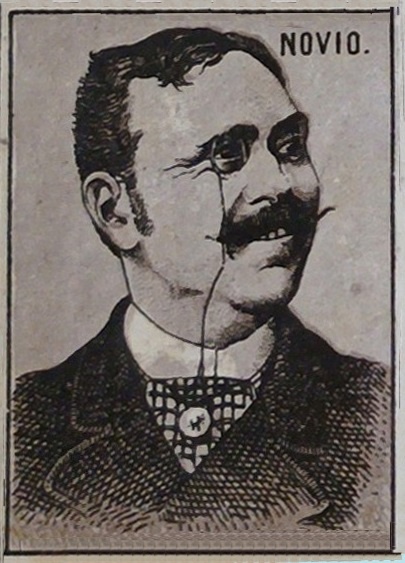 Boyfriend (el novio)
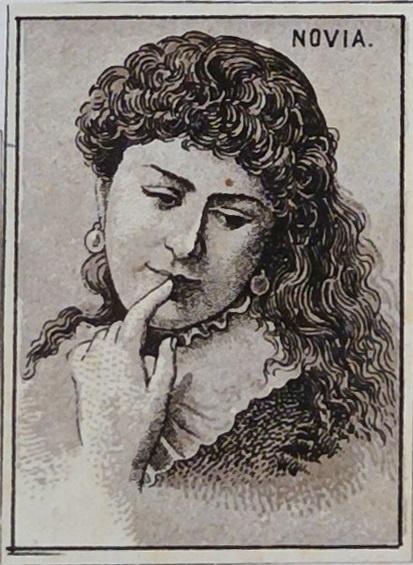 Girlfriend (la novia)
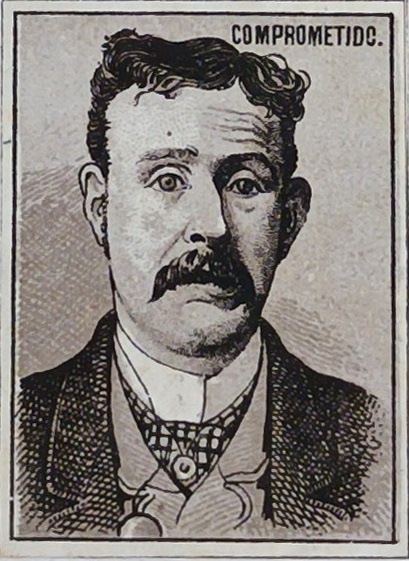 Fiancée (el comprometido)
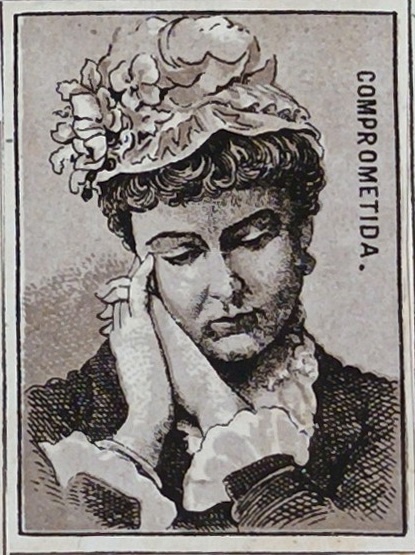 Fiancée (la comprometida)
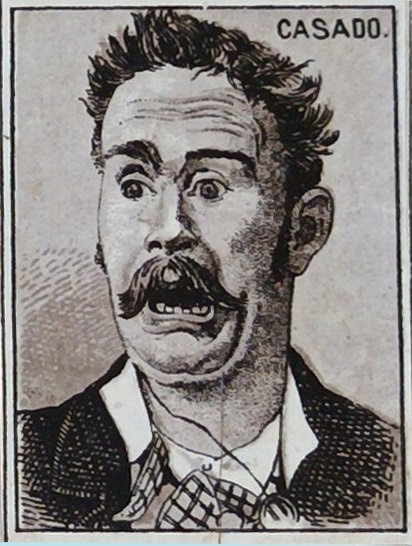 Husband (el casado)
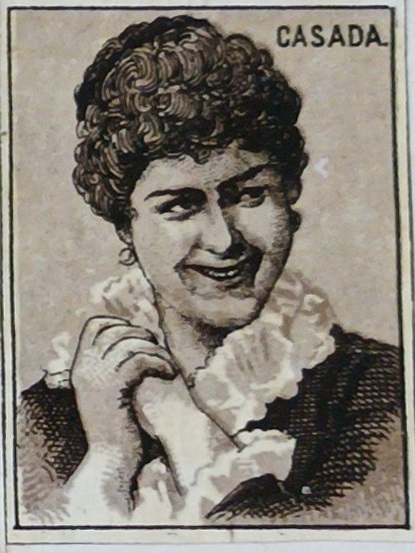 Wife (la casada)
- In 1921, taking advantage of the water wheel and the match factory, the company purchased machinery, hired engineers and diversified its production. They started making umbrella frames with 600 workers and manufacturing 10,000 frames a day, and went on to become Spain’s largest manufacturer
- Up until 1991 they manufactured 750 different types of umbrellas and parasols. However, they foresaw that umbrellas did not have a great future, and so took advantage of the equipment and personnel. They started using the steel bars that were already manufactured in shape of shafts for umbrellas in structures – construction, rooves, bicycles and later for motorcycles and trains, etc.
- In 1954 they created a new metals division which worked with copper and they became leaders in the production of brass bars and steel tubes.
- In 2006 they created a plant in Bratislava (Slovakia) and in Celaya (Mexico) in 2016, always under the direction and ownership of the Garay family.
It is not often that a family business lasts so long in the hands of the same family, but after almost two centuries and two wars the Garay name continues from strength to strength.
References
Aragón, C. e Iturrioz, C. (2017) Hijos de Juan de Garay. Colección de Empresas Familiares Longevas – Segunda Colección, Fundación Antonio Aranzábal, San Sebastián.
Click here to return to the Exhibition Catalogue.