
Social impact of the Match Industry
Period covered : 1861 to 1914
Most businesses dream of selling lots and lots of their products or services and generating sustainable profits. So, imagine the excitement which the newly discovered Friction Matches created amongst 19th century entrepreneurs who could see a new business market opening up before their eyes, one which offered the possibility of creating a product, a commodity, which every home in the country, in the British Empire and beyond would want and come to rely on. Well, perhaps the early manufacturers could not foresee how the industry would expand so quickly, but they definitely recognised the opportunities and quickly started tooling up.
Benefits of the new industry
For a moment let’s turn our attention away from the business people and think about the benefits which a new industry could offer to ordinary 19th century people, benefits such as :
- A quick, safe, affordable and convenient way of making fire instantly at home. Lighting the fires, the stove, candles, cigars, oil lamps, heating water, keeping warm and cooking food. The impact of having instant fire is hard to appreciate at this distance, but for Victorian families matches would soon become a life-changing item in every home
- New employment opportunities, jobs in the match factories and the supply chain
Of course, it required mass industrialisation before matches would become cheap enough for the general public to afford, but the wheels had started turning, wheels which John Walker put in motion, and the demand for matches was growing exponentially.
Working conditions – women, children and home-working
Unfortunately, there was a dark side to all of this industrial activity.
Match factories were quickly set up, often with little thought about health and safety, but with lots of thought about profits.
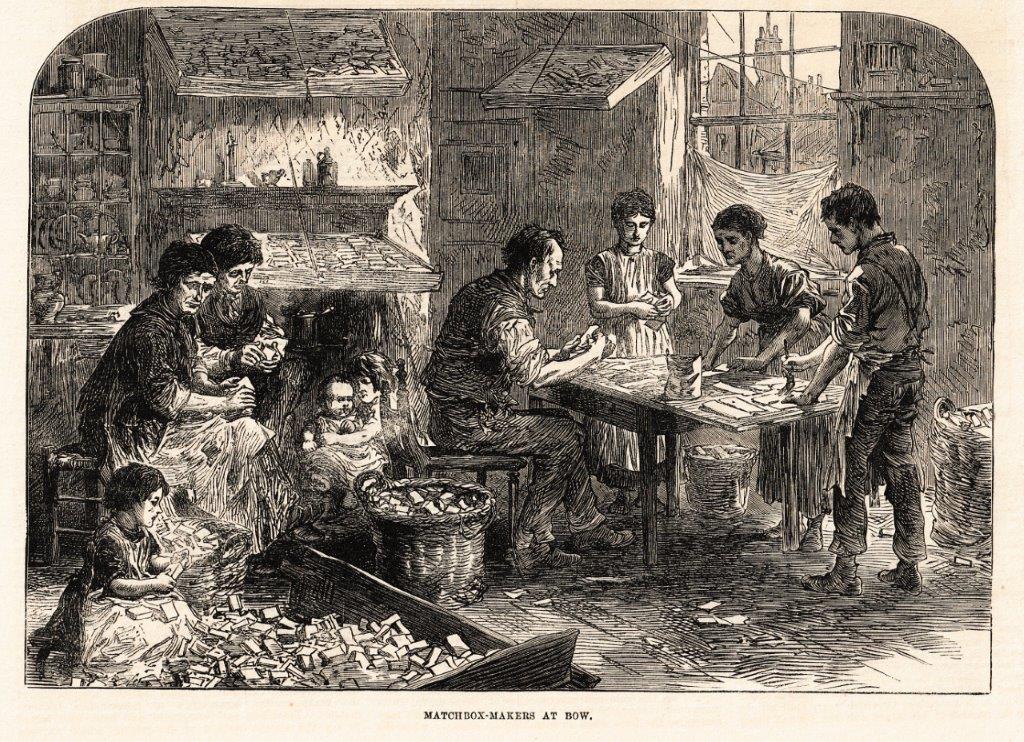
Like many Victorian businesses, the working conditions in the rapidly expanding match industry were deplorable providing few breaks, inadequate work space, dangerous machinery, insufficient lighting and ventilation, long working days, poor pay, unjust fines, and severe health risks.
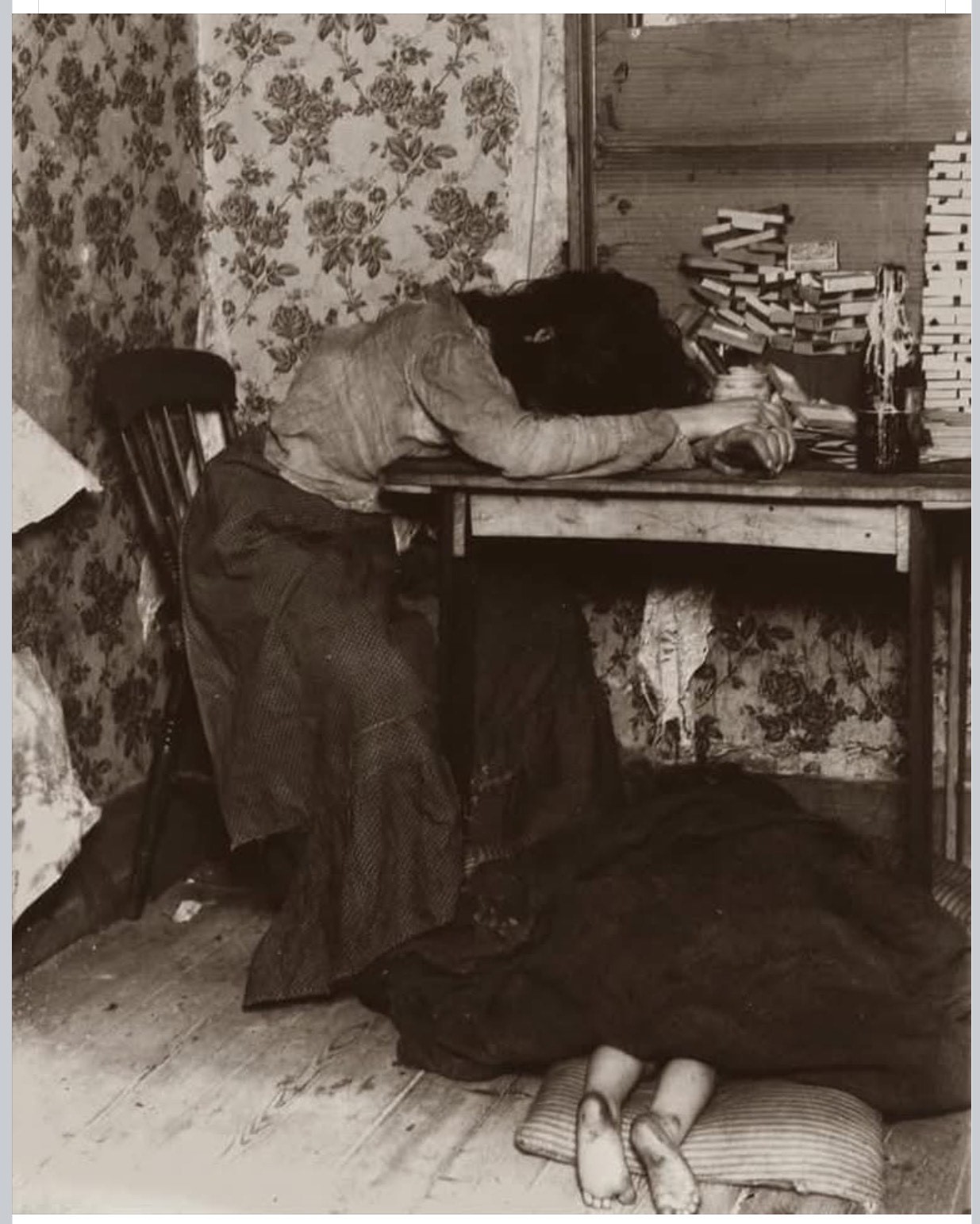
The vast majority of manual work was done by women and young children while home working was commonplace as
factories struggled to meet the huge demand for matches.
Home workers were not covered by The Factory Acts and so had few rights or access to social benefits. Whole families often worked and lived together in one room. Competition for work was fierce keeping wages low.
In Sweden the working conditions in the factories were designed to be as healthy and pleasant as possible, and Bryant & May built their model factory in Bow in 1861 on the same principles.
Phossy Jaw
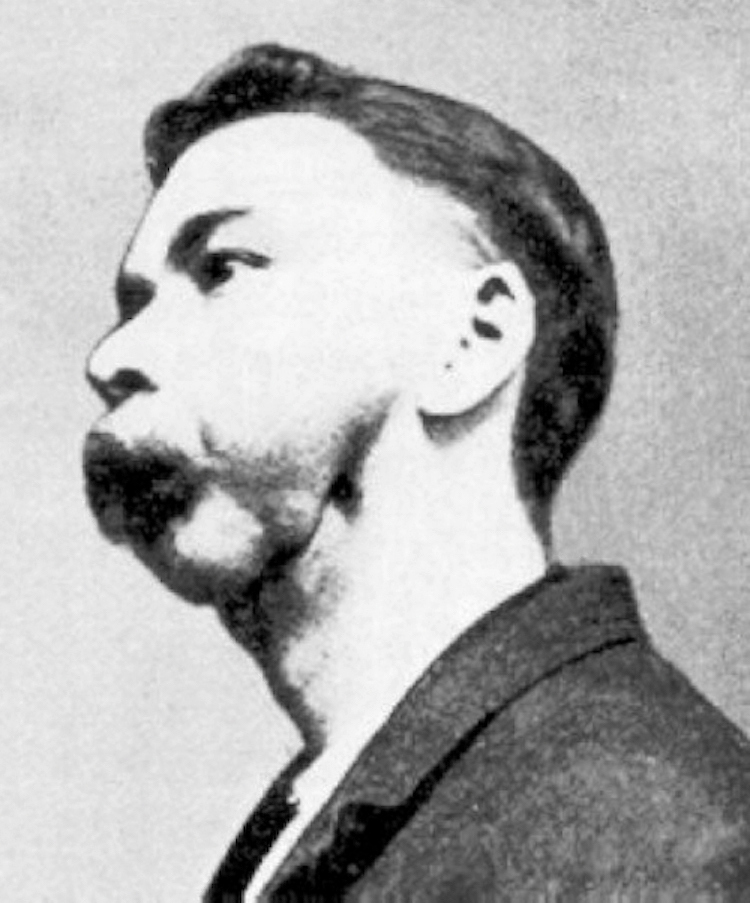
But Match factories had another problem : the use of toxic white phosphorus led to the disfiguring occupational disease of ‘phossy jaw’ in match factories whose victims invariably died after the most appalling suffering.
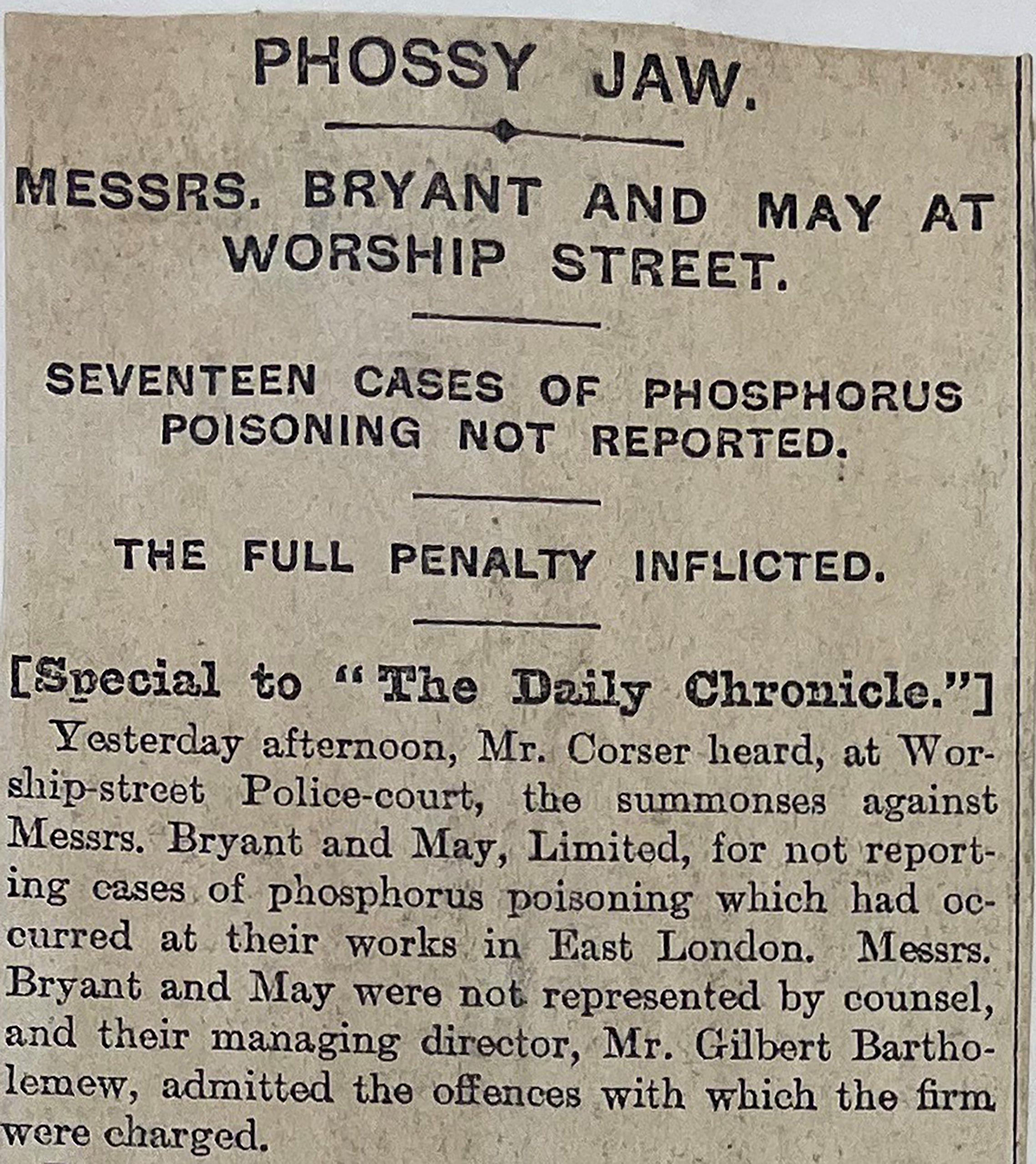
Formally known as phosphorus necrosis of the jaw phossy jaw was an occupational disease affecting those who worked with white phosphorus (also known as yellow phosphorus) without proper safeguards.
It was caused by inhalation or absorption white phosphorus vapor which destroys the bones of the jaw.

Protecting Workers – The Factory Acts
The British Parliament was not immune to the plight of workers, and in 1802 a series of acts were passed, known as the Factory Acts, to regulate and improve the conditions of industrial employment.
The early acts concentrated on regulating the hours of work and moral welfare of young children employed in cotton mills but were effectively unenforced until the Factory Act 1833 established a professional Factory Inspectorate.
The regulation of working hours was then extended to women by an act of Parliament in 1844.
The Factories Act 1847 (known as the Ten-Hour Act), together with acts in 1850 and 1853 remedying defects in the 1847 act, met a long-standing (and by 1847 well-organised) demand by the millworkers for a ten-hour day.
The Factory Acts also included regulations for ventilation, hygienic practices (especially dental hygiene), and machinery guarding in an effort to improve the working circumstances for mill children.
This culminated in the Factory Act of 1878 which brought all the previous Acts together, prescribing no child anywhere under the age of 10 was to be employed, there would be compulsory education for children up to 10 years old, 10 to 14 year olds could only be employed for half days and women were to work no more than 56 hours per week.
1871 Match Tax
On 20th April 1871, Chancellor Robert Lowe introduced his proposal in the House of Commons to raise taxes from matches, an idea he said he’d got from America. He calculated that from the 600 million boxes made in a year, he would secure £550,000 (equivalent to about £65m today). The tax would have added a halfpenny to the price of a box of one hundred wooden matches and one penny on vestas. After some debate and criticism, the motion passed with a majority of 157 and was reported for a second debate on 24th April.
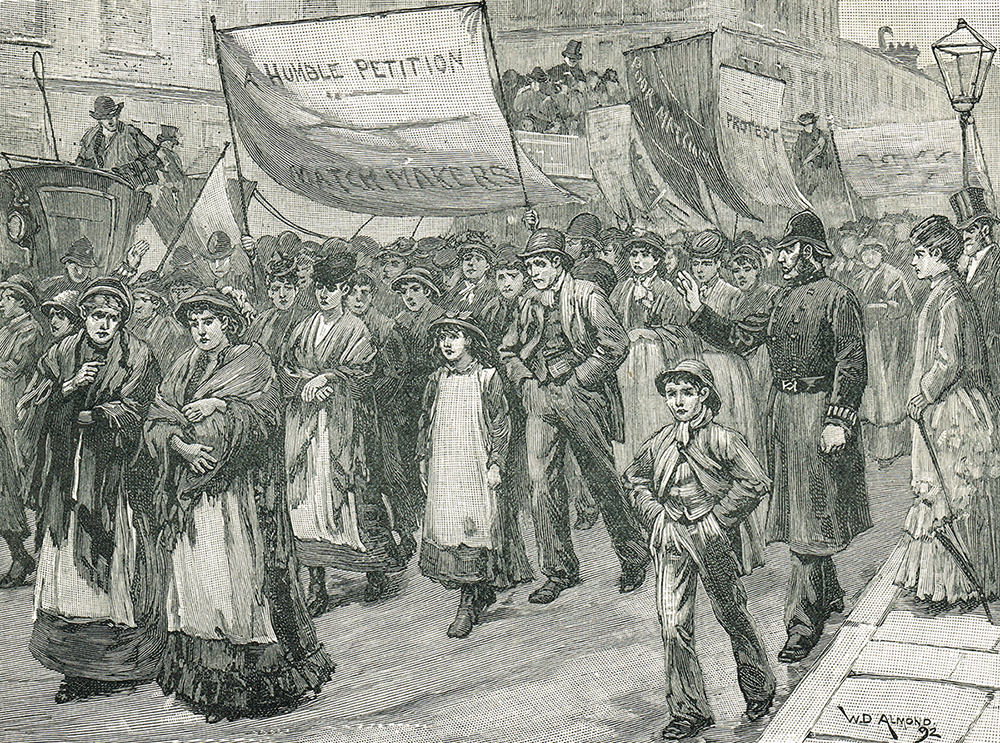
The proposal provoked public outrage. It was seen as particularly burdensome on the working class and those employed in the match industry, and was strongly opposed by the match makers and drew criticism in the national press. Also, on 23rd April 1871 Queen Victoria wrote to the prime minister, William Gladstone, to protest about the proposed tax.
However, before the second debate could take place a public meeting took place and on 24th April a delegation of up to up to 10,000 match makers— mostly girls and women between the ages of thirteen and twenty—marched to the Houses of Parliament to present a petition.
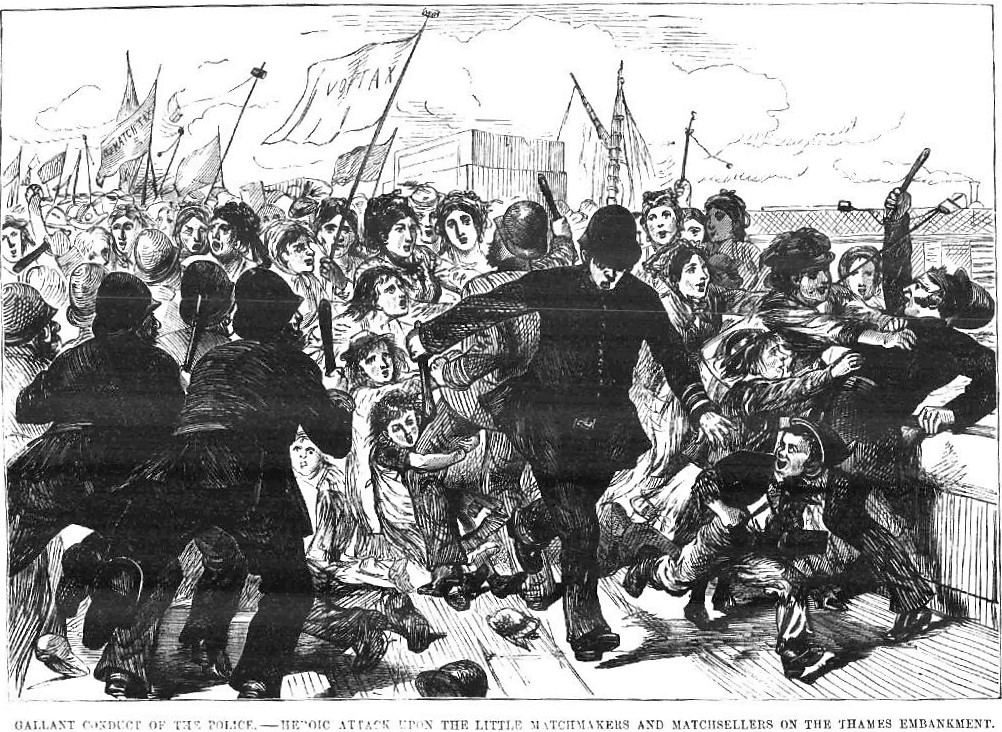
The marchers were harassed by police on the route, who unsuccessfully tried to block the march. The conduct of the police was later described as “harsh and even brutal”, and questions raised as to why they interfered with “an orderly and harmless procession”.
On 25th April 1871 the Bill was withdrawn. The Chancellor acknowledged that his proposal for a match tax had “excited considerable dissatisfaction and disapprobation”. He announced that “the measure with regard to matches will not be proceeded with further”. It is interesting to note that De La Rue had already printed the tax stamps which would have been affixed to the matchboxes.
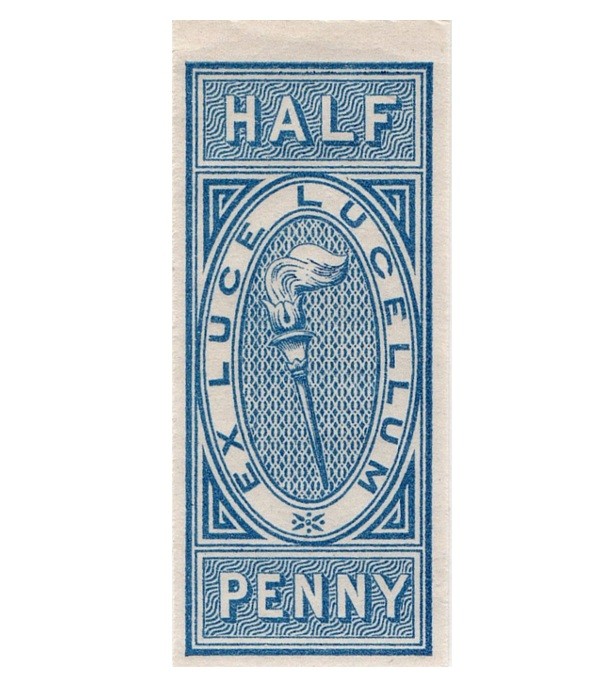 1871 match tax stamp
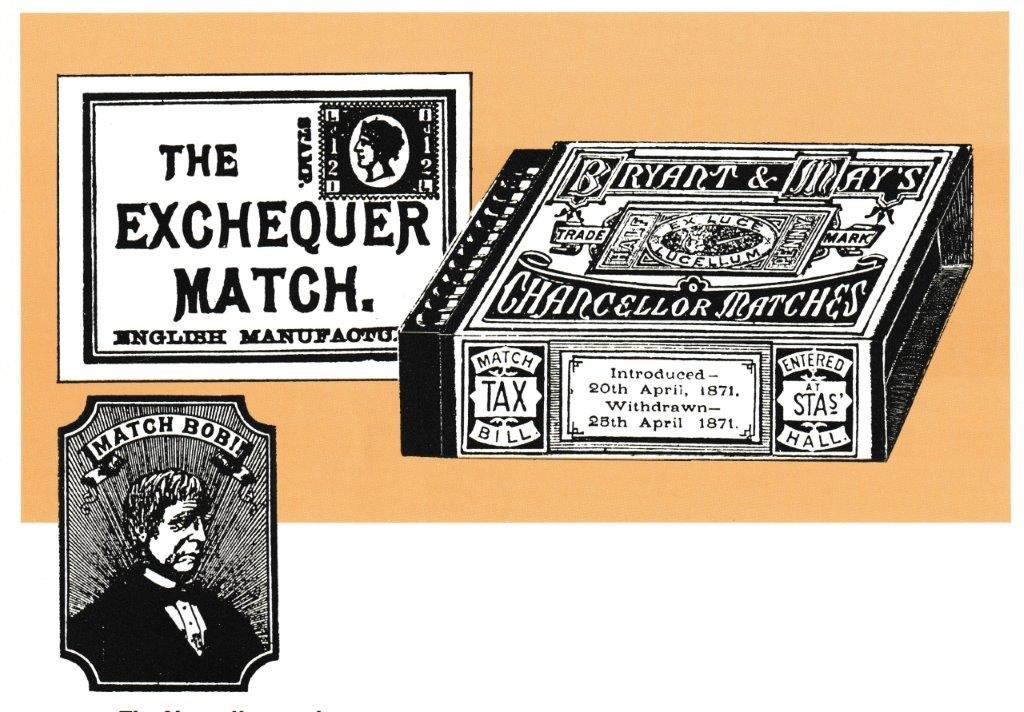 Chancellor Matches advert
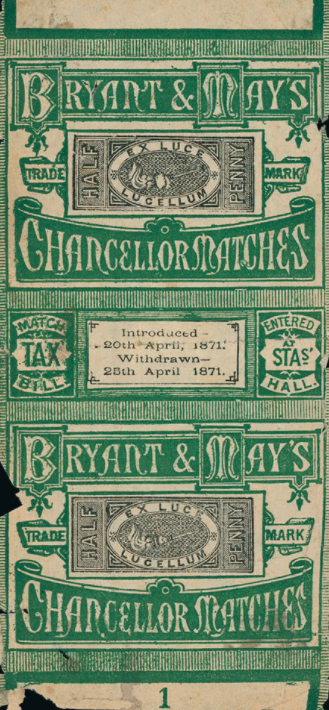 Chancellor Matches label
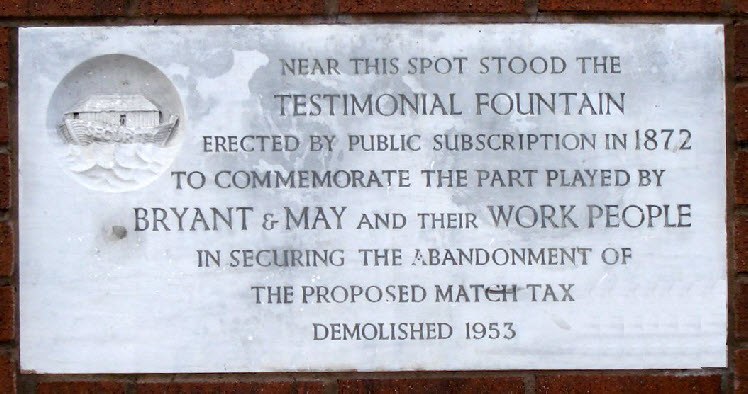 Memorial Plaque, 1872
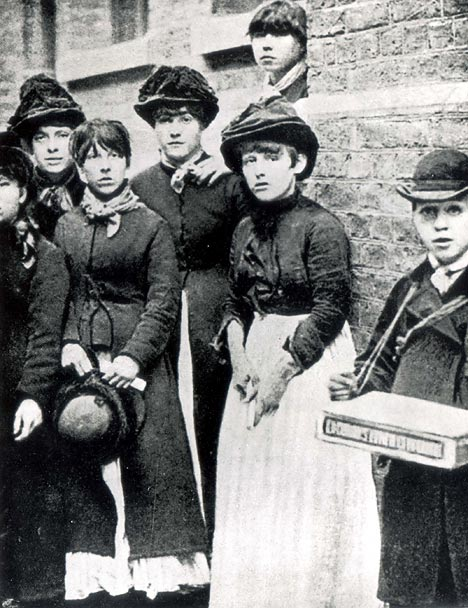
1888 Matchgirls Strike
On 5th July 1888 a group of 1400 girls and women workers at the Bryant & May factory in East London walked out on strike in demand of better wages and improved working conditions (including fourteen-hour workdays, poor pay, unjust fines, no clean area to eat, and the severe health complications of working with white phosphorus).
This landmark strike was seen as the beginning of New Unionism and was a significant moment in social history.
Annie Besant (1847-1933), an English socialist, theosophist, freemason, women’s rights, Home Rule activist and member of the Fabian Society, had published an article on 23rd June 1888 entitled ‘White Slavery in London’ which was openly critical of the working conditions at the Bow Factory. Besant’s article gained a great deal of publicity because the Victorians believed that only ‘inferior races’ engaged in the practice of slavery. Bryant and May threatened to sue Annie Besant for libel and demanded that their employees sign to say the article was untrue. They refused.
The resulting furore in the factory led to a sacking, which was the final straw for the Matchgirls. And so it was that on 5th July 1888 the strike began.
Management quickly offered to reinstate the sacked employee, but the women then demanded other concessions, particularly in relation to the unfair fines which were deducted from their wages. By 6th July the whole factory had stopped work.
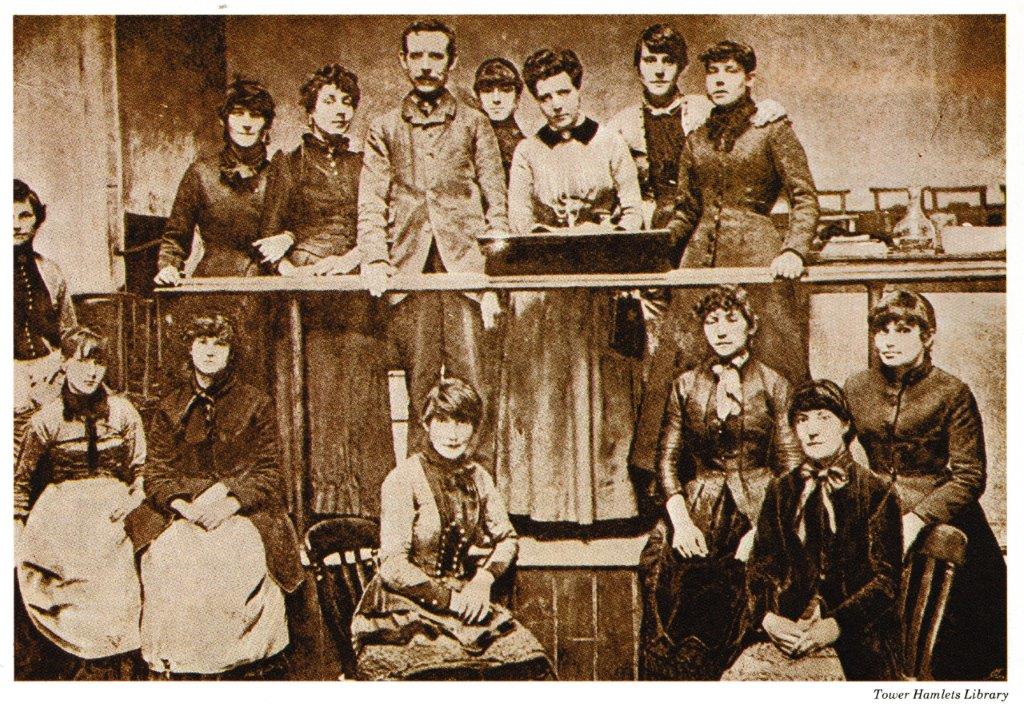
A Strike Committee was quickly formed, with support from Annie Besant. A Strike Register opened with over 700 girls, women, boys and men signed up and funds were raised. On 11th July a deputation of match women went to Parliament to meet three MPs. The London Trades Council became involved, and there was significant publicity in the press.
On 15th July, following distribution of strike funds the day before, a jubilant crowd met on Mile End Waste as the excitement gathered. The next day, the London Trades Council met with the Bryant & May Directors to discuss the Matchgirls Strike demands and it was agreed that a deputation of the Strike Committee could meet the Directors and put their case.
These included fines, deductions for the cost of materials and other unfair deductions which would be abolished. Also, grievances could be taken straight to management without having to involve the foremen, who had prevented management from knowing of previous complaints. An important additional term was that meals were to be taken in a separate room, where the food would not be contaminated with phosphorus.

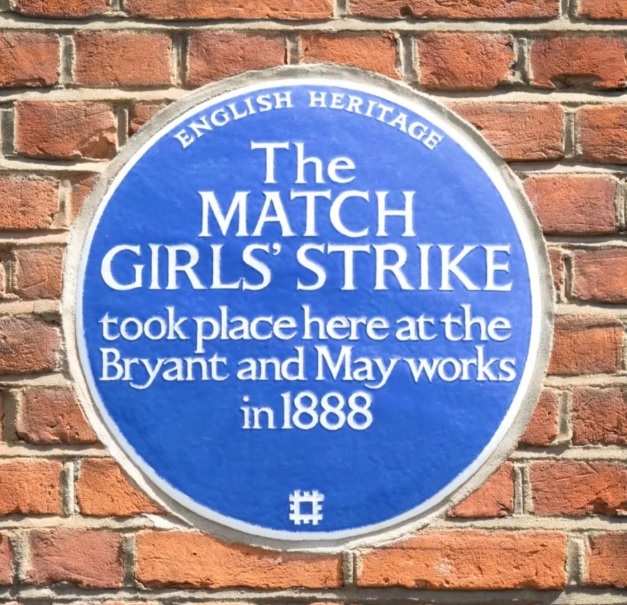
And so it was on 17th July 1888, after less than two weeks, the London Trades Council and the Strike Committee met with the Bryant & May Directors. Unbelievably, ALL the demands were met and terms agreed in principle.
Following the strike’s success, the Union of Women Matchmakers (which became the Matchmakers’ Union) was formed later in 1888. From its creation, it was the largest union of women and girls in the country and inspired a wave of collective organising among industrial workers.
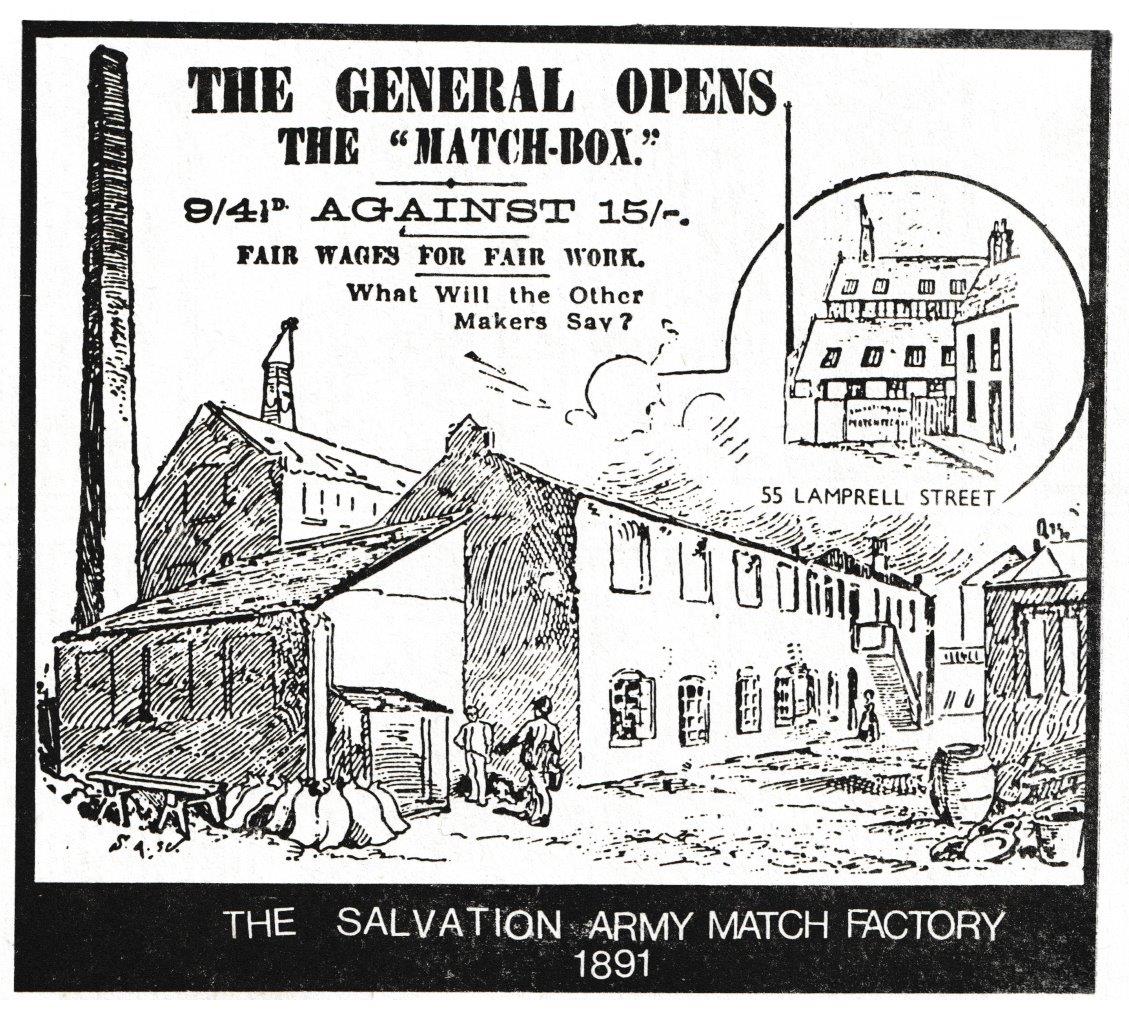
Salvation Army Match Factory
In 1891 the Salvation Army opened a match factory in Lamprell Street, Old Ford, London, and aimed to employ workers in much better all-round conditions, using red phosphorus in their matches instead of the toxic white phosphorus.
The Salvation Army had been founded in 1865 as the “East London Christian Mission” in London by one-time Methodist preacher William Booth and his wife Catherine. In 1878 Booth reorganised the mission, became its first General and introduced the military structure, which it has retained as a matter of tradition. Booth was instrumental in setting up the Match Factory.
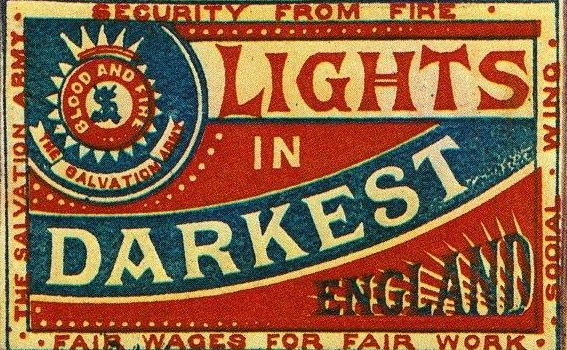
The matches produced at the factory were entitled ‘Lights in Darkest England’.
The designs of the labels varied a little, as did the colours, but all carried slogans such as ‘To raise the wages of match-box makers’, ‘To fight against sweating’, ‘To help the poor to help themselves by labour’, and ‘Love thy neighbour as thyself’.
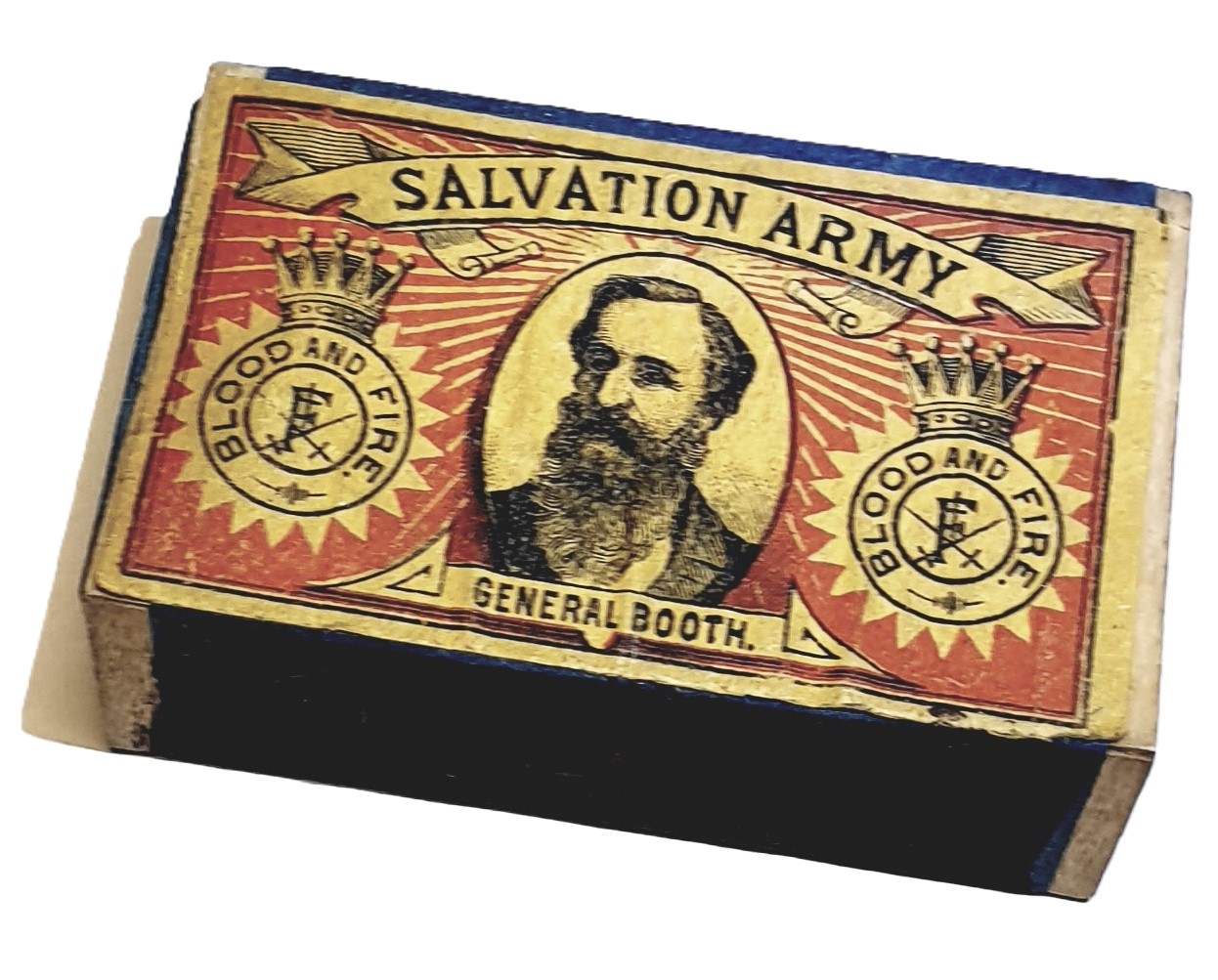
It was a bold and imaginative project although unfortunately it was not a financial success.
The factory struggled to survive, temporarily closed in 1894 and was eventually taken over by The British Match Company in November 1901.
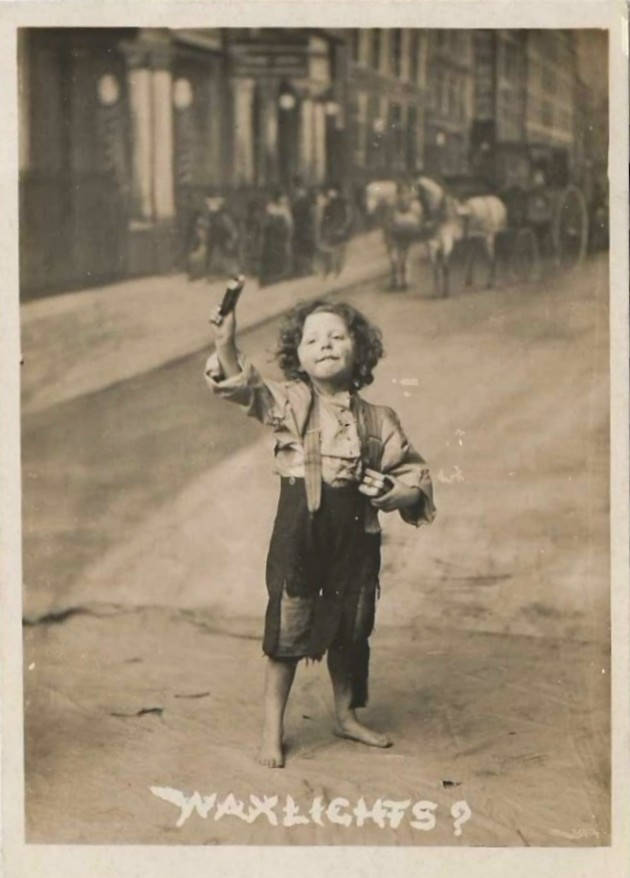
Street match sellers, 1820s to 1890s
Before John Walker’s Friction Match invention in 1826, ‘brimstone or spunk’ matches were sold in bundles in the streets by people of all ages but mainly elderly ex-servicemen. They were splints of wood dipped in sulphur which did not self ignite and needed an ember from some char in a timber box started from a flint and fire steel.
In the late 1840’s, a social researcher and advocate for reform Henry Mayhew (1812-1887) interviewed one of these ‘old brimstone’ street entrepreneur match sellers in London for an article on working people in London. He had changed in the 1820-30’s to selling ‘congreves’, ‘instantaneous lights’ and ‘lucifers’ on the streets of London bought from Samuel Jones of the Lighthouse in the Strand who he said ‘had a patent on them’. (This is the only recorded salesman of Jones’s matches but don’t know his name). He bought them for 7 shillings per dozen boxes, each containing 100 ‘lucifers’ and sold them at 1 shilling per box to City Offices who used them to light their office candles making good profits. This was a good business for him and he said it lasted 12 months.
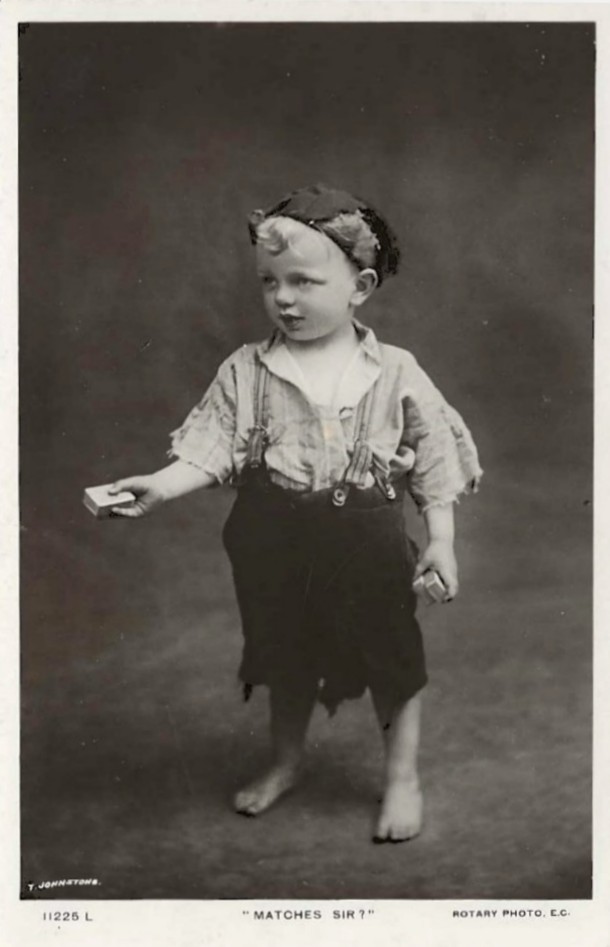
From the 1840-90’s, the opportunity to make money from selling matches was obvious for all to see. Everyone wanted an ‘instantaneous light’ for their home and office instead of using a laborious tinder box and most importantly the price of a lucifer match had dramatically come down. To make ends meet and often to fund their drinking habit, the poor families became overnight entrepreneurs and parents sent out their young children to hawk matches to passers by in the streets of London.
John Walker’s time saving invention of an instant flame had ‘sparked’ a revolution in homes and offices throughout the world, and inadvertently provided a new source of income for the poor which he would have witnessed in his lifetime and probably shook his head in disbelief. Unfortunately, it also brought strife to many of the poor families who now had money to spend on their vices.
In 1845, Hans Christian Andersen wrote his famous fairy tale “The Little Match Girl” telling the story of a young match seller out on the streets in all weathers. It described how she was afraid to go home as she had sold no matches, and lit them one by one to keep warm until they had all gone and she died in the freezing Denmark snow. Matches had by then become the stuff of myths and legends.
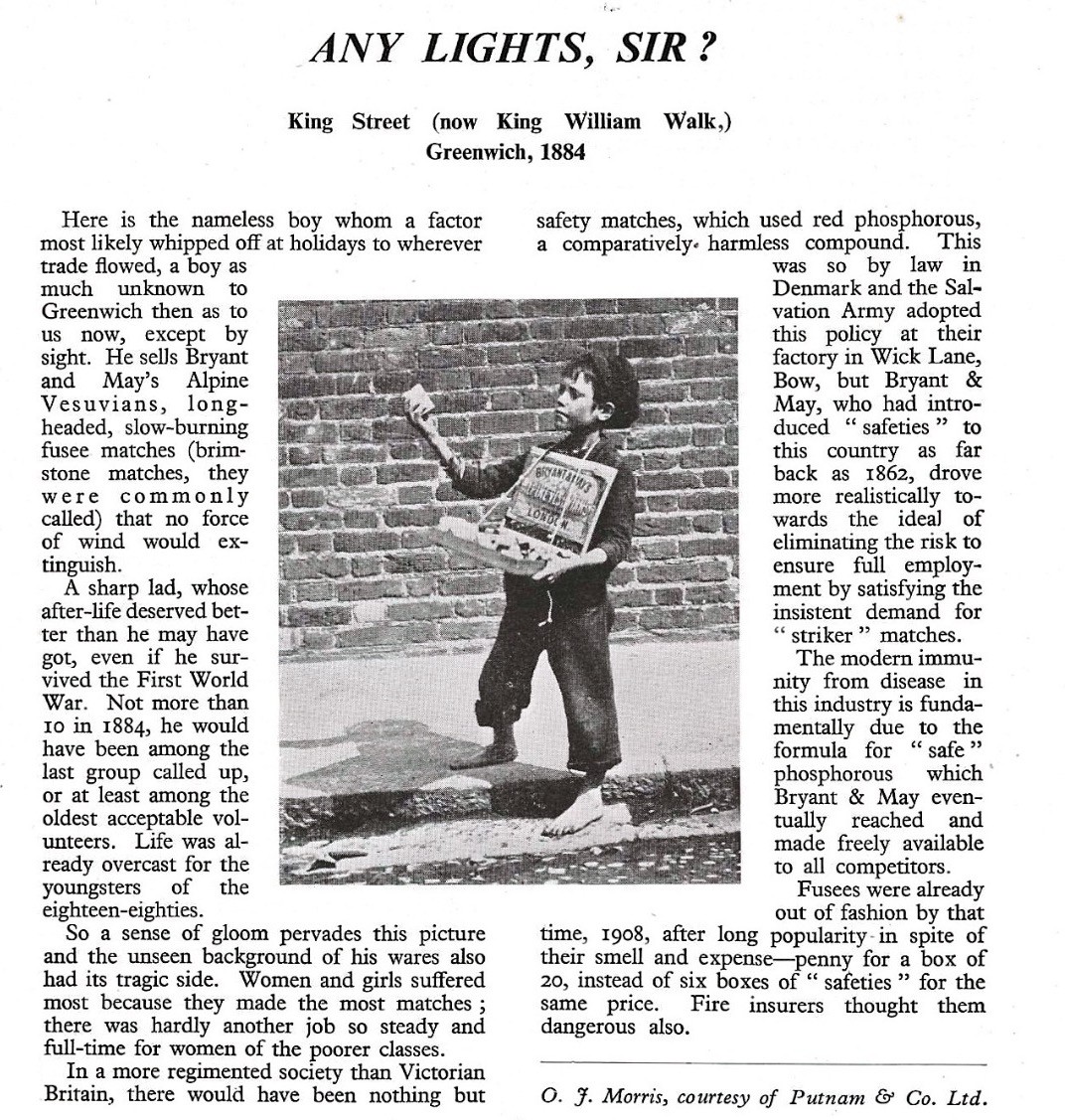
Some children sold boxes of ‘Vesuvians and Flamers’ used for lighting pipes and cigars in the open air. Others ‘two wax (lights) a penny’ to be held in gentlemen’s waistcoat pocket. Supplies were bought in bulk either direct from the factories or ‘middle men’. Some of the matches were best quality and others were known as ‘wasters’ which were imperfect but yet mostly lit up pretty well. The street match sellers would know their lighting quality and adjust the buying and selling price accordingly. At this time, 90% of all matches were sold by the street sellers and the rest from stalls and street markets.
The postcards and the Brymay article show the utter poverty of these 19th century shoeless children street match sellers. Some were orphans but most were selling matches at the behest of their poor parents for a family income. In the late 19th and early 20th centuries, photos started to appear in publications and as a novelty on post cards showing the social injustice perpetuated on them. This dark history of matches should not be forgotten.
1906 International Convention on White Phosphorus
Bryant & May had finally announced they would stop using white phosphorus in 1901. But in 1906 the international community took a stand against use of the toxic chemical in order to eradicate the extensive medical problems such as phossy jaw facing match workers.
The International Convention respecting the Prohibition of the Use of White (Yellow) Phosphorus in the Manufacture of Matches, (now known as The Berne Convention) prohibits the use of white phosphorus in the manufacture of matches. It is multilateral treaty which also prohibits the import and sale of such matches.
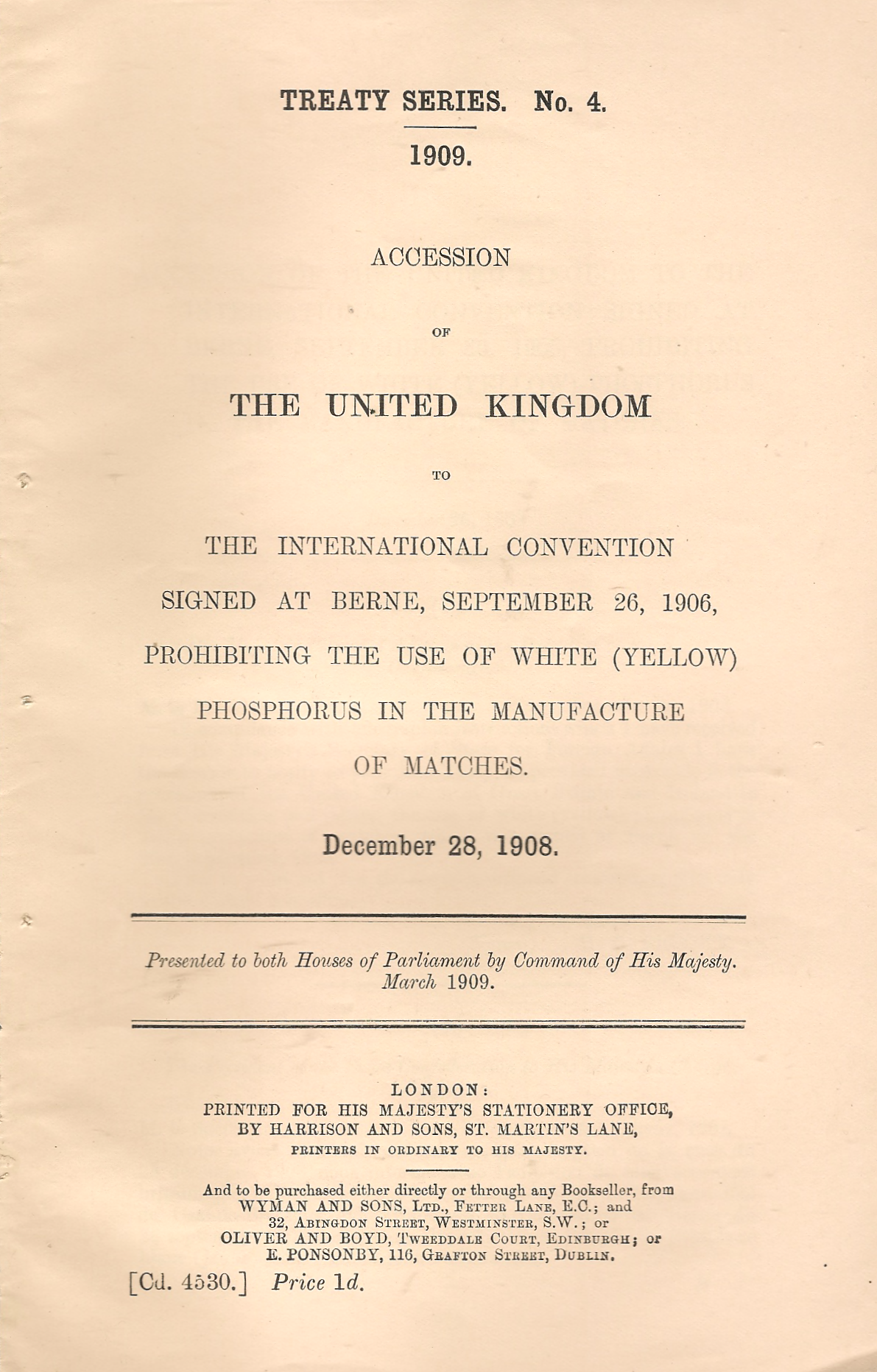
The treaty was concluded on 26th September 1906. However, only seven of the fifteen countries at the Convention signed the Treaty, and the UK did not sign because the British representatives “were not authorised to enter into any binding engagements”.
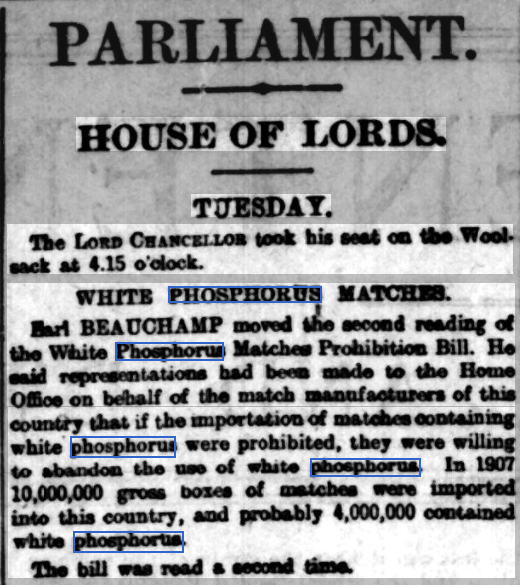
A 1908 newspaper article reported that in the previous year 10m gross boxes of matches were imported into Britain of which probably 4m contained white phosphorus.
And so it was, in December 1908, that Parliament passed the ‘White Phosphorus Matches Prohibition Bill’. It gave one year’s grace, so it was not illegal to use white phosphorus in the UK until 1st January 1910. Compare this to Finland who banned white phosphorus in 1872!
The Convention remains in force for 48 states, and Switzerland is the depository for the Treaty.
Click here to return to the Exhibition Catalogue.