

Post-war industry
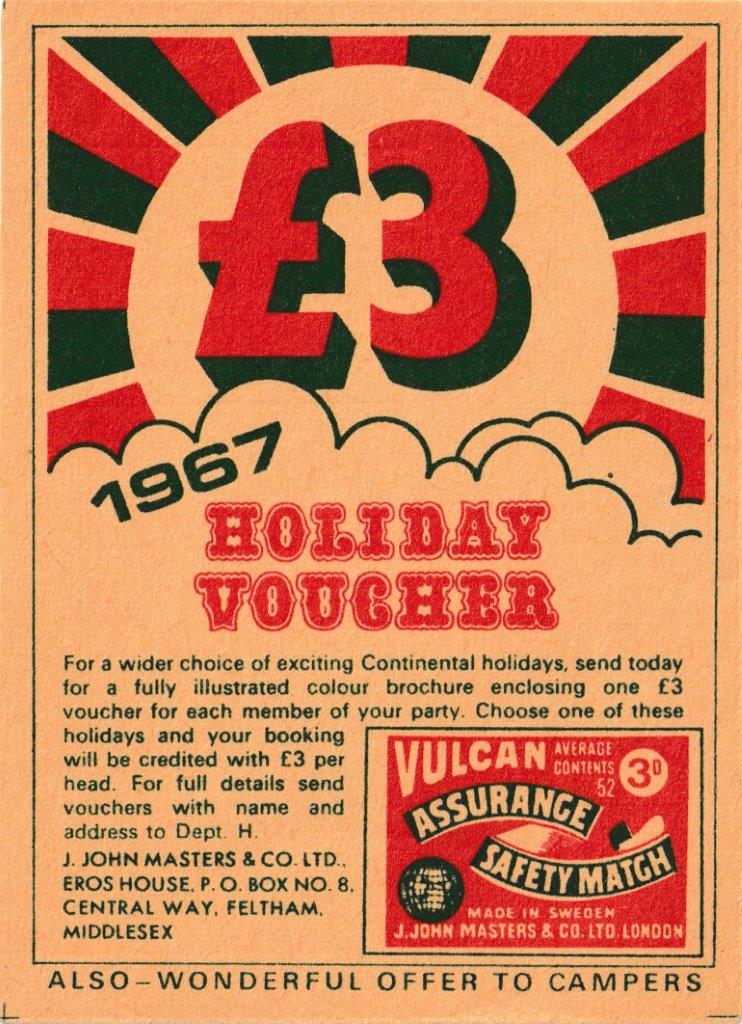
Period covered : 1945 to 1996
The demand for matches was at its peak in the 1880s to 1930s, when the majority of people smoked.
The immediate aftermath of World War II was marked by a period of austerity and rationing, and even though matches were not actually rationed, they were scarce.
After the second world war people’s habits started changing and the demand for matches slowed down : houses now had electric lights and so the need for candles had diminished, central heating was becoming more commonplace so real fires were used less. Also cheap plastic lighters became widely available.
In 1949 continued timber shortages led to the introduction of cardboard matchboxes, which are commonly known as “skillets” amongst matchbox collectors. Skillets have the design printed straight onto the cardboard, there is no matchbox label.
Manufacturers were keen to move away from the standardisation and bland designs of the war years, and used technology to modernise the production processes and improve productivity. Foreign markets gradually became more readily available again, both for export and for import.
The match industry was moving forward again, and at the same time opportunities to collect matchboxes as a hobby really began to take shape.
The 1960s, new companies and thousands of new labels
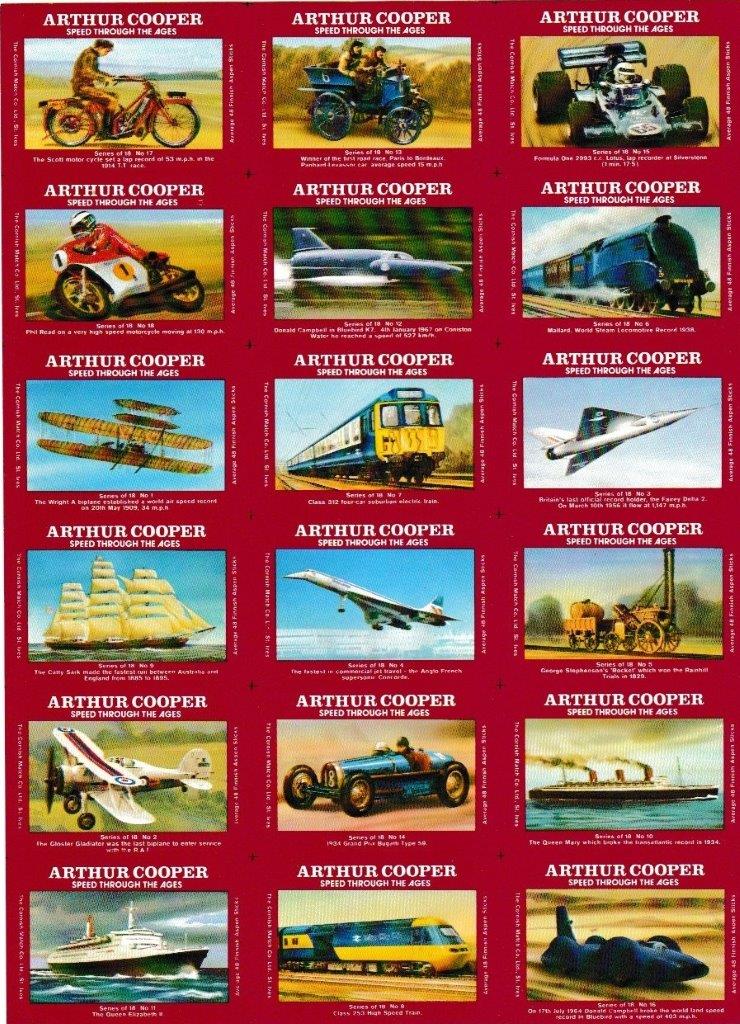
During the 1960s the UK saw many new, small companies start up such as Cornish Match and Kentish Match who, using imported boxes and matches, saw opportunities to steal market share from Bryant & May and other dominant players.
These companies were very successful for many years, creating lots of new series of labels with colourful, attractive designs which were sold through the network of tobacconist shops across the country.
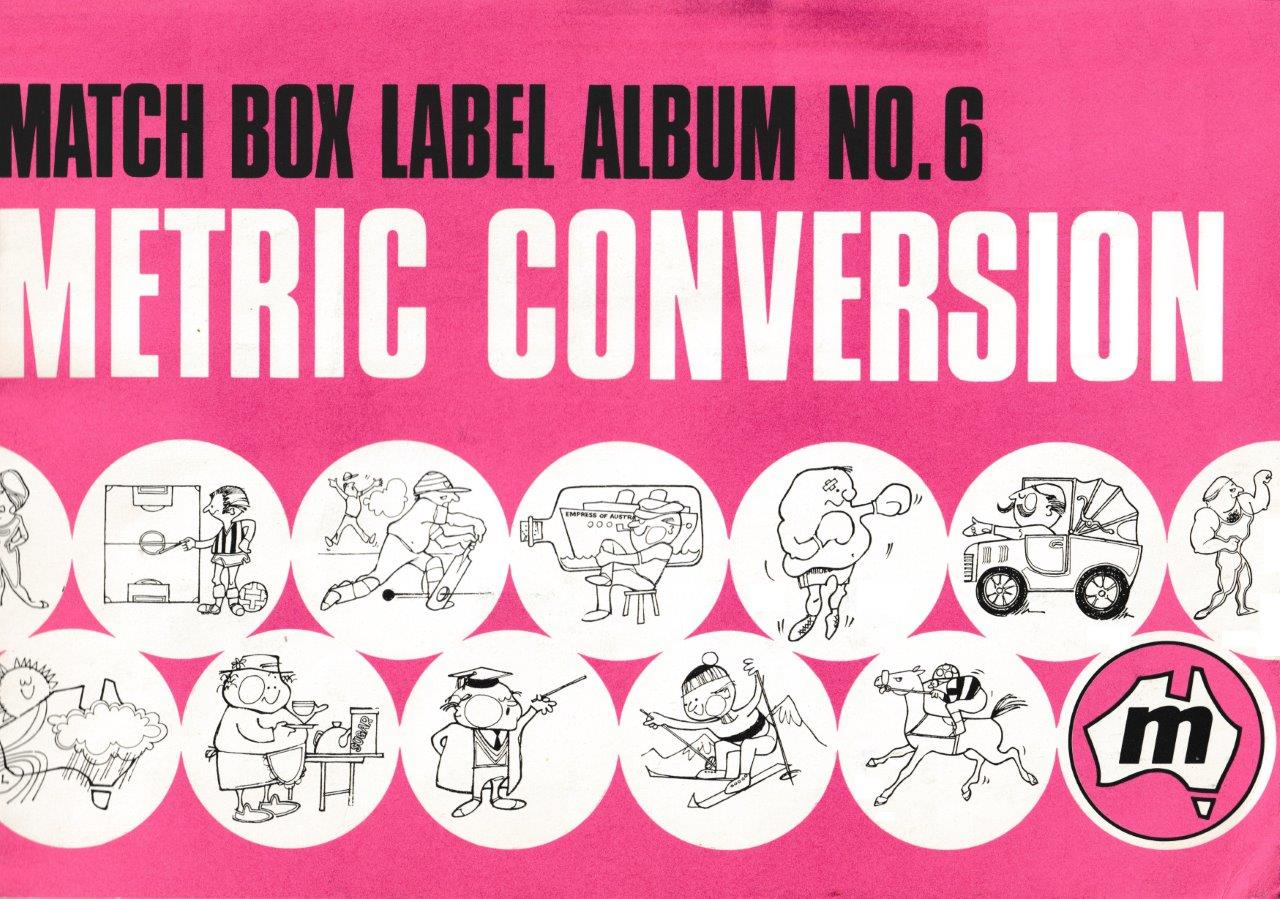
The same pattern could be seen across the world with many thousands of new labels being issued every month. These quickly became very collectable and some match companies encouraged collectors by producing special albums to stick the labels in.
It truly was a golden age for matchbox collectors.

Helping the Sales People
Many match companies employed sales people, to travel around the country and persuade retailers to stock their brands. This was a time when supermarkets were in their infancy but there were local shops, tobacconists and businesses on every high street which provided a wealth of opportunities for the travelling salespeople.
Match companies often devised sales campaigns to encourage the retailers to stock their brands and persuade customers to buy extra boxes. Sales people would usually carry samples with them, showing the latest brands and demonstrating why the retailer should stock them.
Door to door selling was also common place. One famous 1960s campaign was for the Blue Cross brand whose salesmen (known as Blue Cross men) knocked on doors and gave a 10 shilling note, a substantial sum, to any householder using Blue Cross Matches.
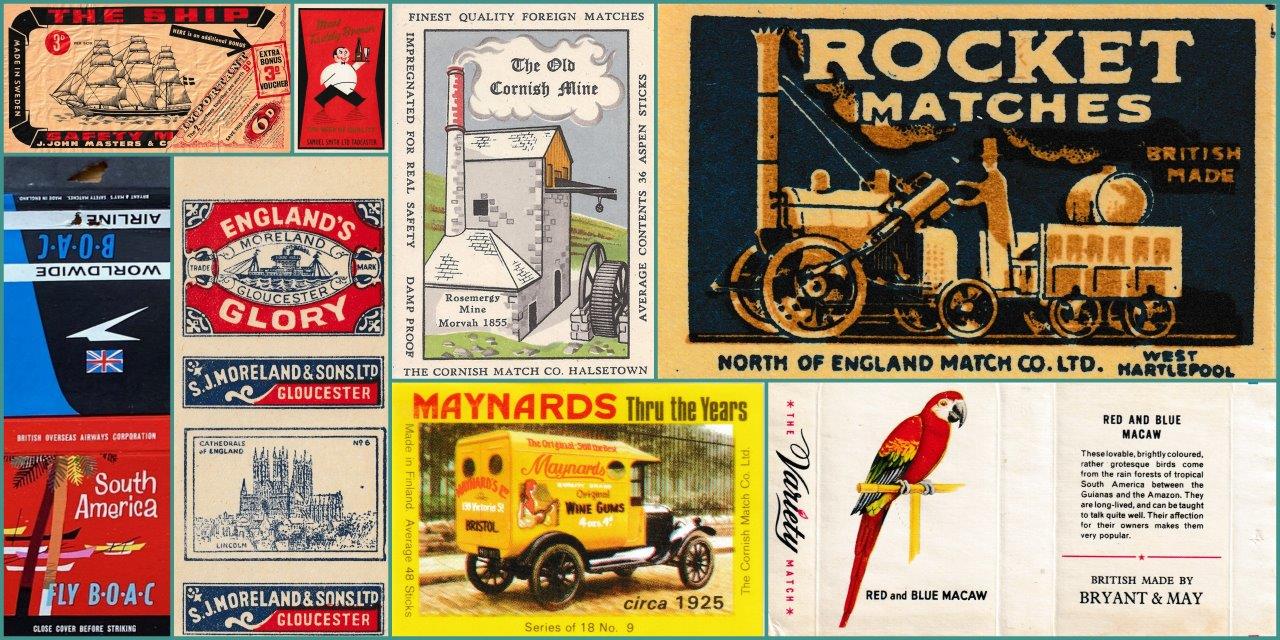
This was also the era of advertising labels, when you could walk into virtually any bar, restaurant or hotel and pick up a matchbox or bookmatch advertising the business, often as a complimentary gift. For smaller businesses some match manufacturers offered a small number of standard designs which could be tailored to suit the individual business.
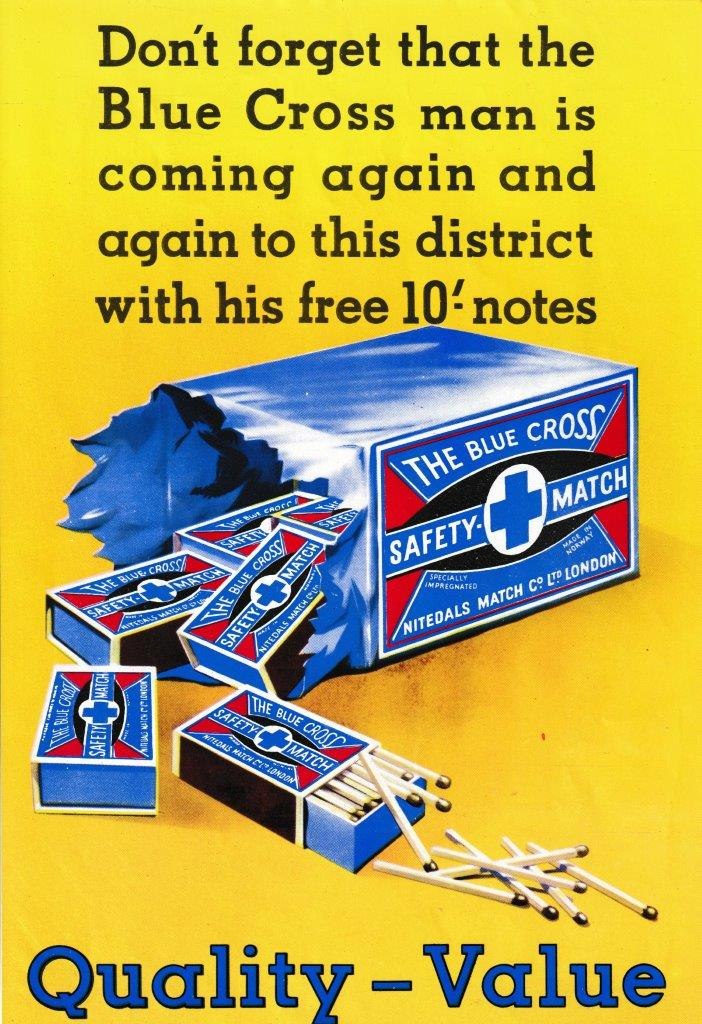 Blue Cross campaign advert
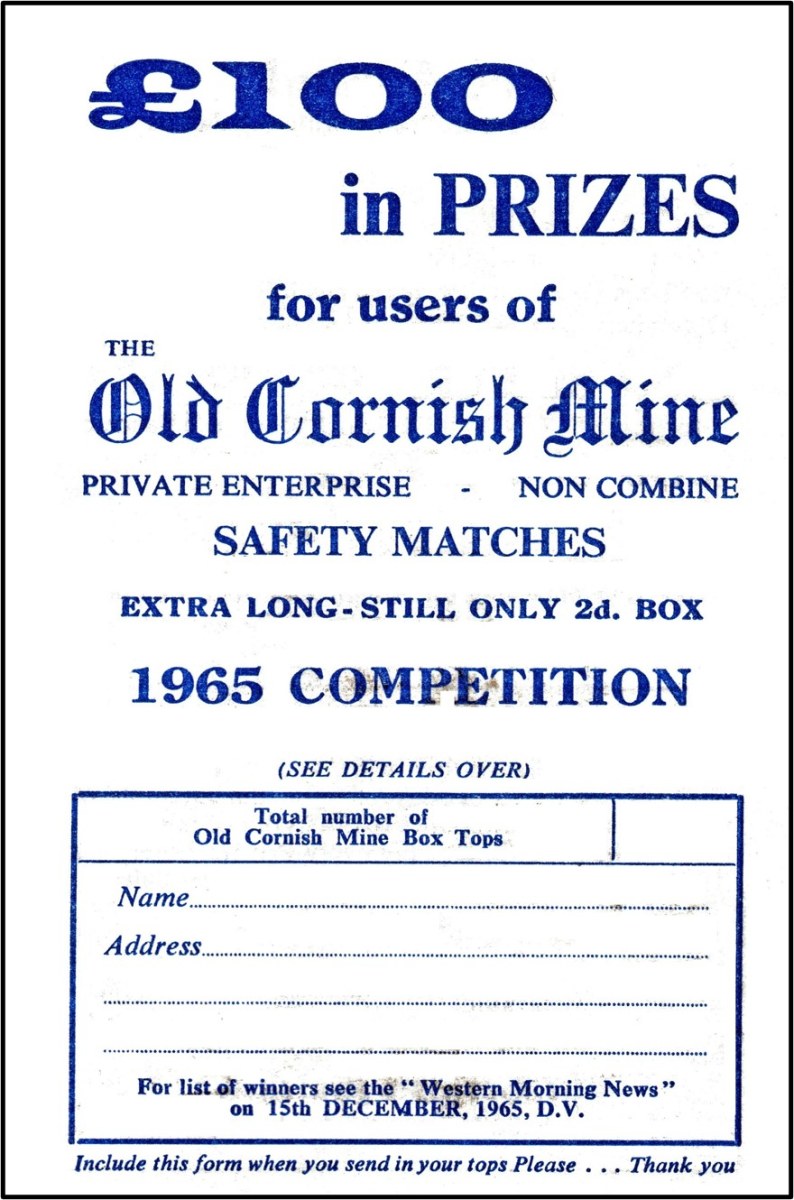 1965 competition
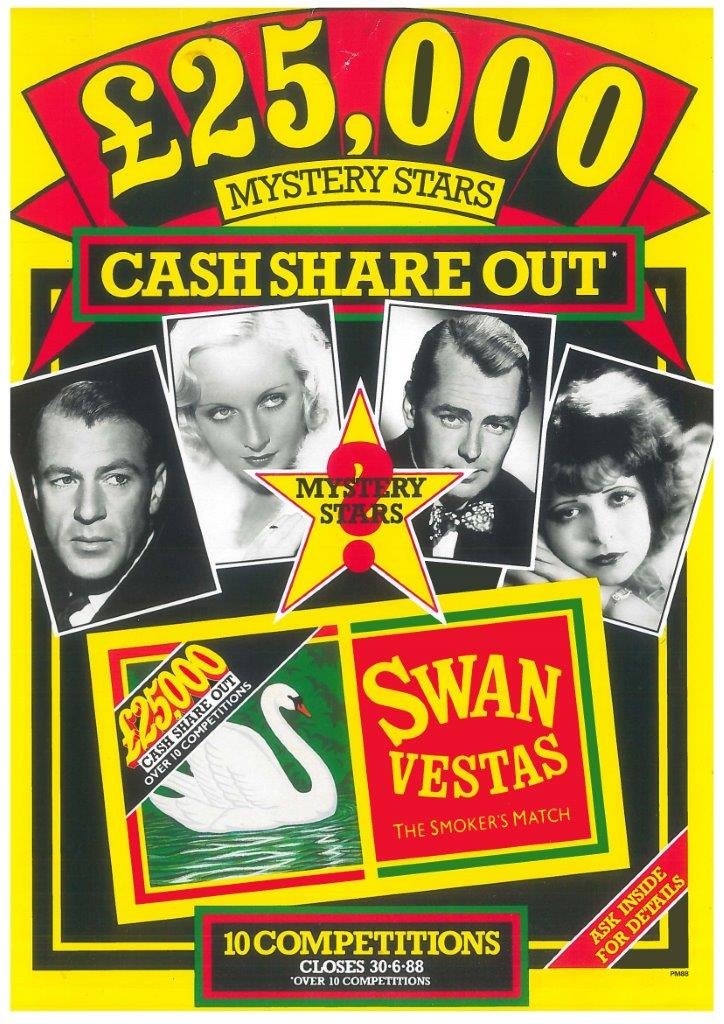 1988 competition poster
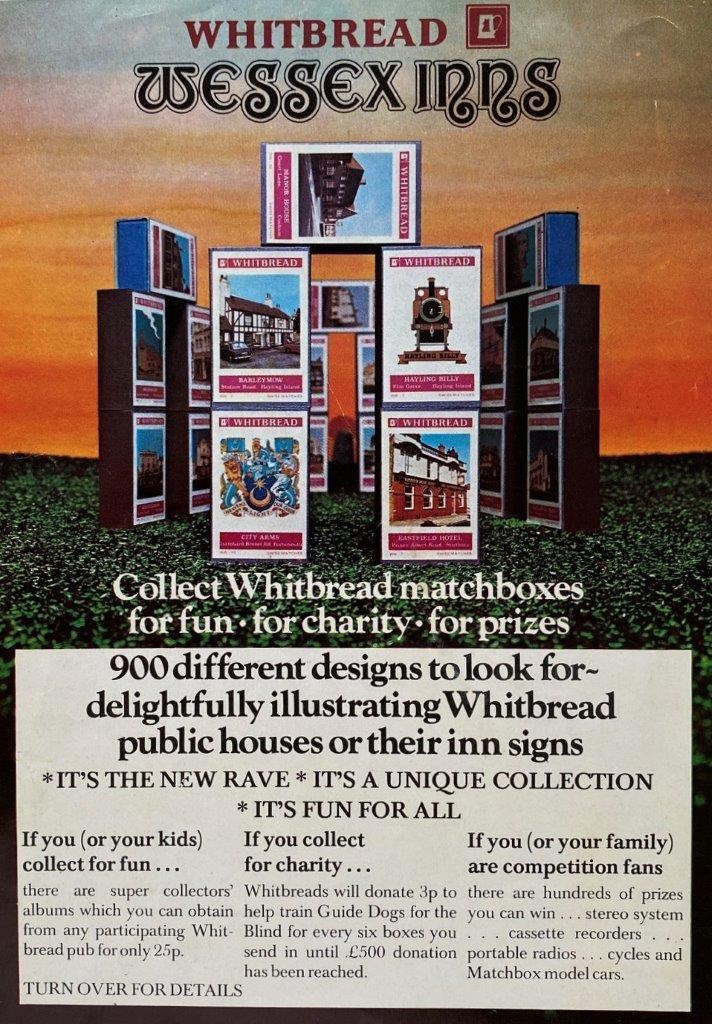 1990s Whitbread Inns advert
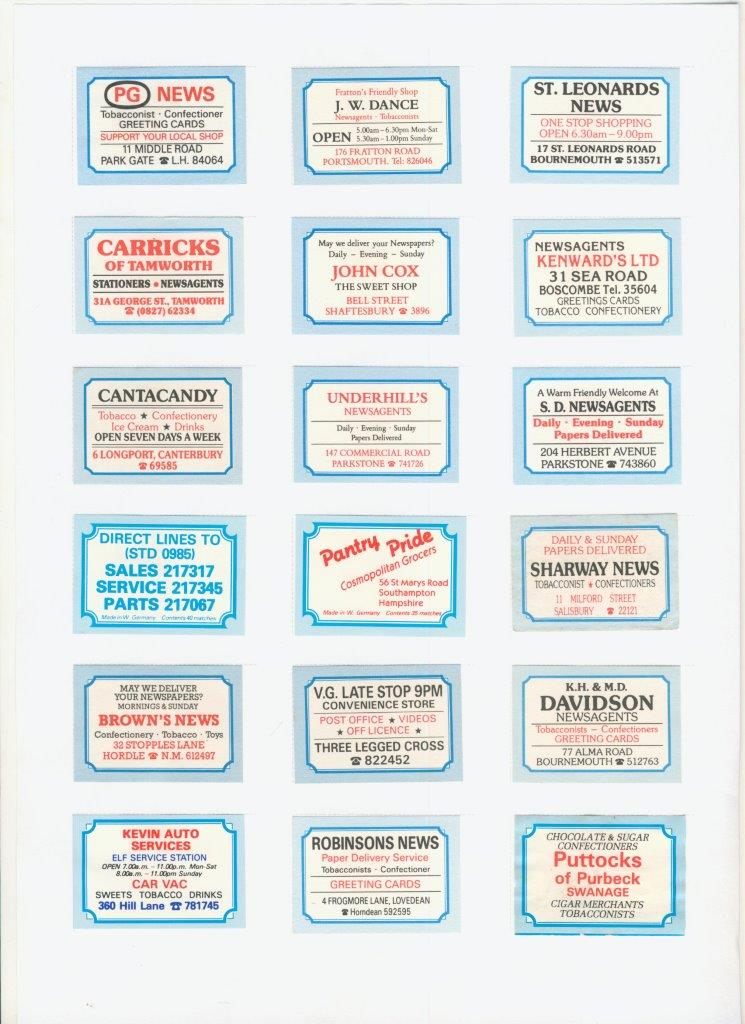 Advertising labels
Familiar brands, new markets
Some familiar brand names like Swan Vestas and England’s Glory which started life in the 19th century still survive to the present day and can be found in supermarkets and corner shops across the nation. These brands are, of course, all now owned by Swedish Match.
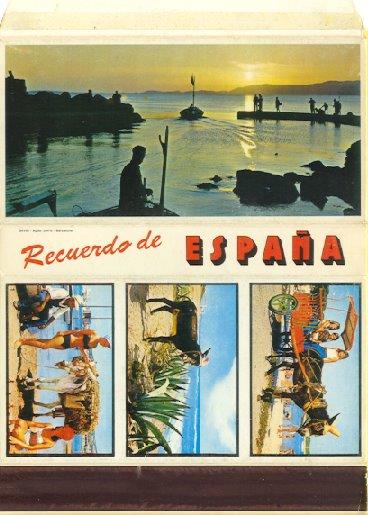
Tourism becoming a big industry, and match companies started to make Souvenir matches to attract visitors.
Some of these were individual boxes and bookmatches, sometimes they came in Souvenir Packs.
This trend continues today.
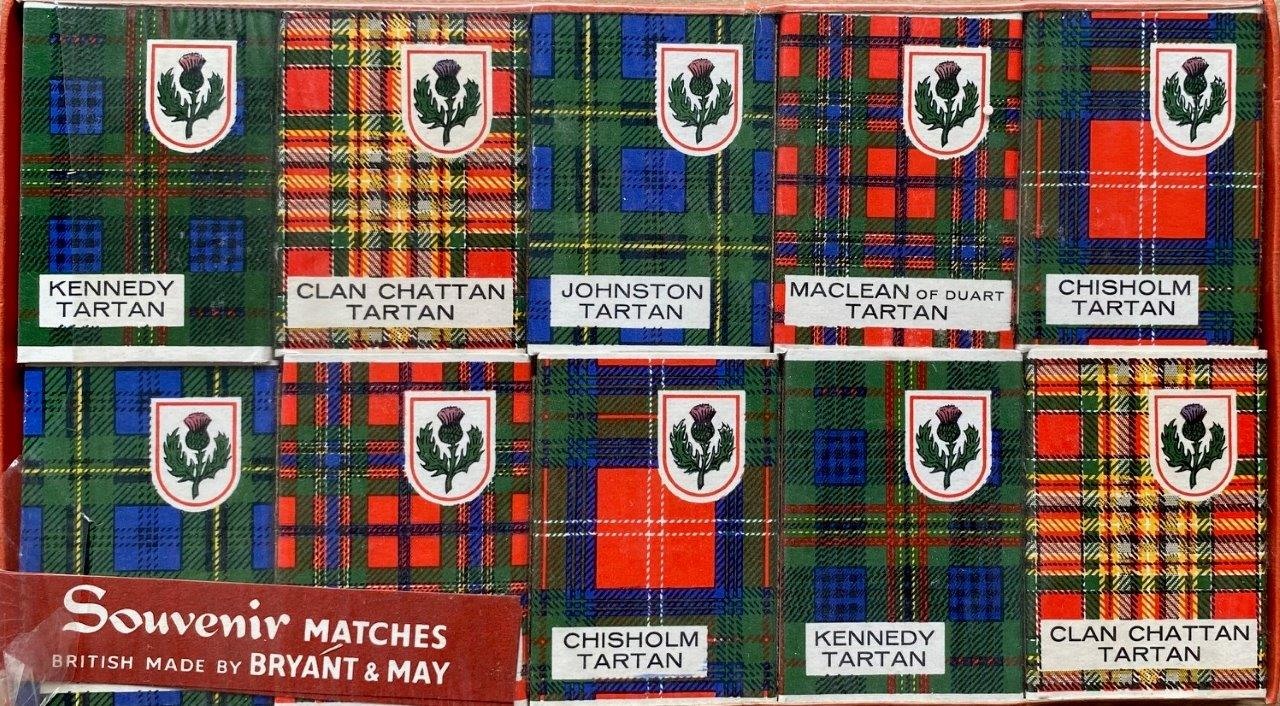 Bryant & May Souvenir Pack
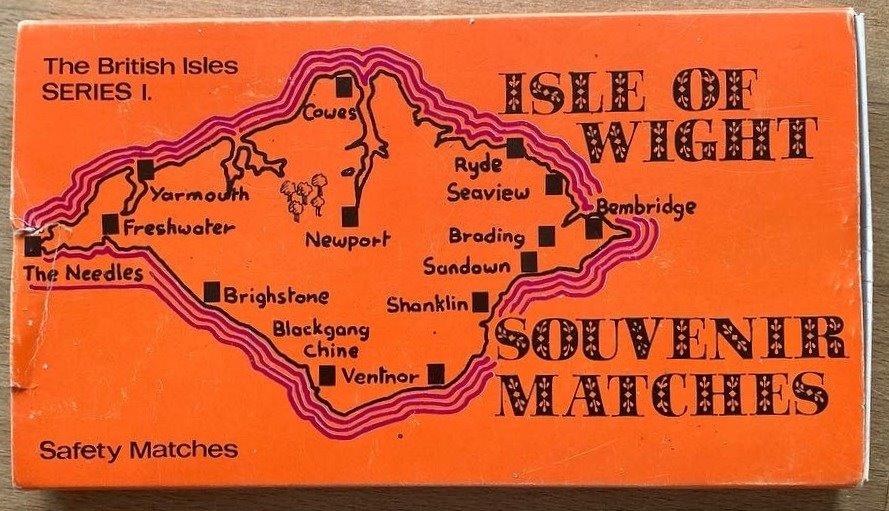 Isle of Wight Souvenir box
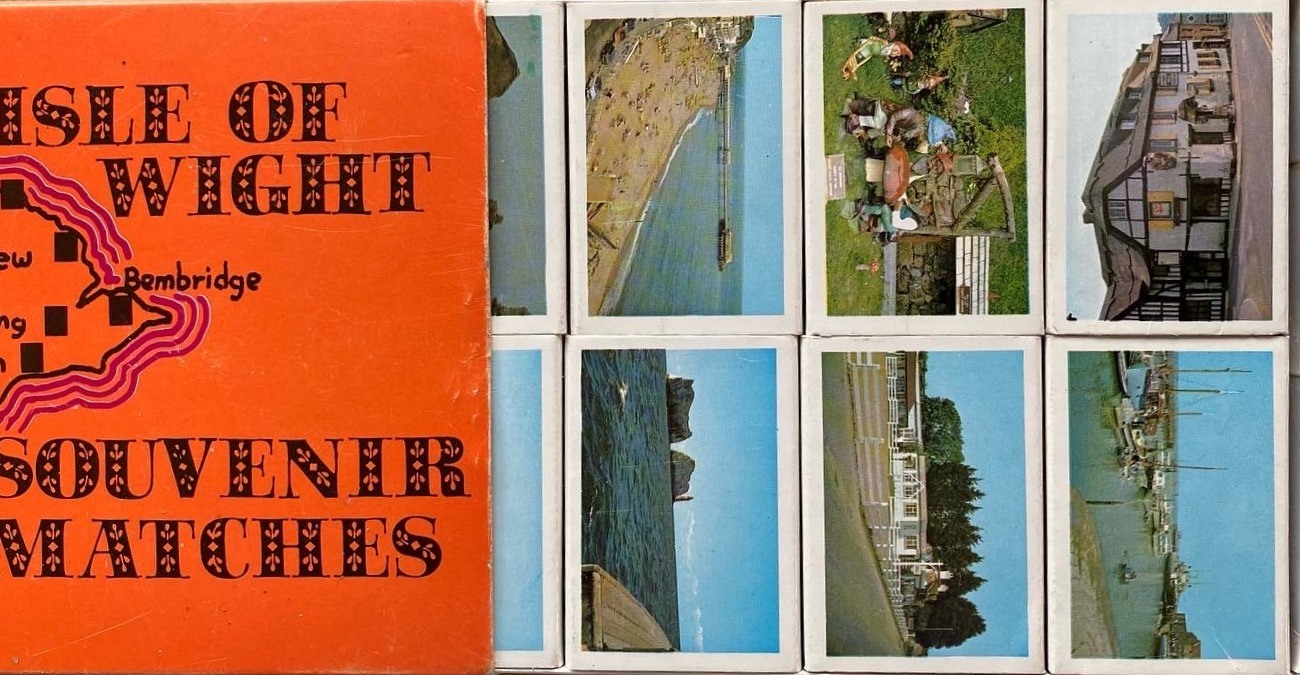 Isle of Wight souvenir boxes
Pressure on manufacturers
Things were becoming tougher because cheap disposable plastic lighters started becoming available everywhere, which began to seriously erode the market for matches. A contributing factor was the change in taxes levied on lighters.
From the mid-1980s the global match industry began contracting significantly. In 1994 the last UK match factory shut, and in 1996 Swedish match took over Bryant & May operations.
Read here about the match industry on Teesside, from John Walker in 1826 to the Cleveland Match Company in 1985, which reflects the trends that were felt across the global industry.
Click here to return to the Exhibition Catalogue.