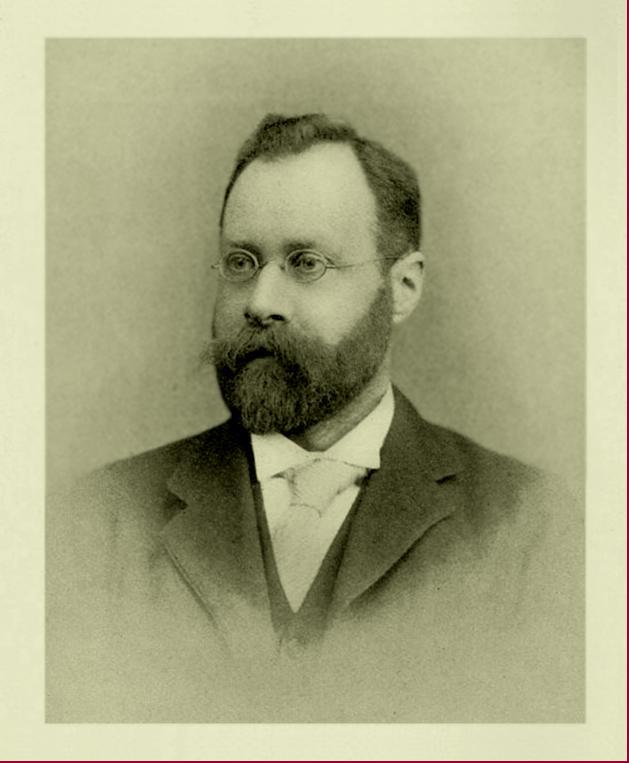
Miller Christy (1861 – 1928)
Exhibitor : Tom O’Key
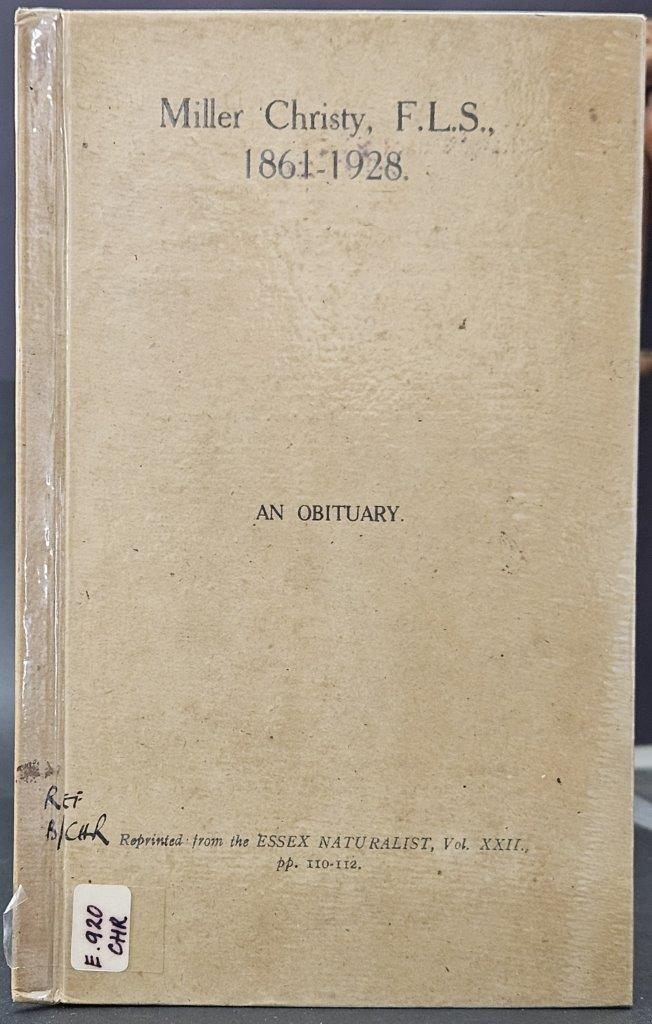
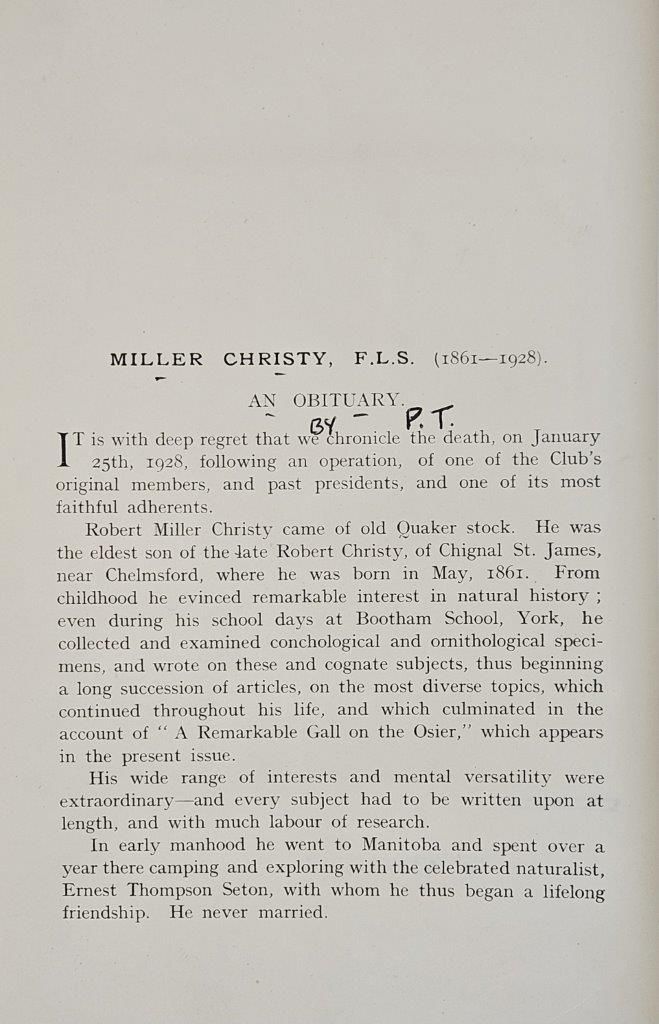
Robert Miller Christy was born in 1861 and died on January 25, 1928. He suffered complications during surgery, and at sixty-seven years of age, he passed away leaving behind a legacy of a lifetime spent in endeavours covering dozens of subjects in literary documentation.
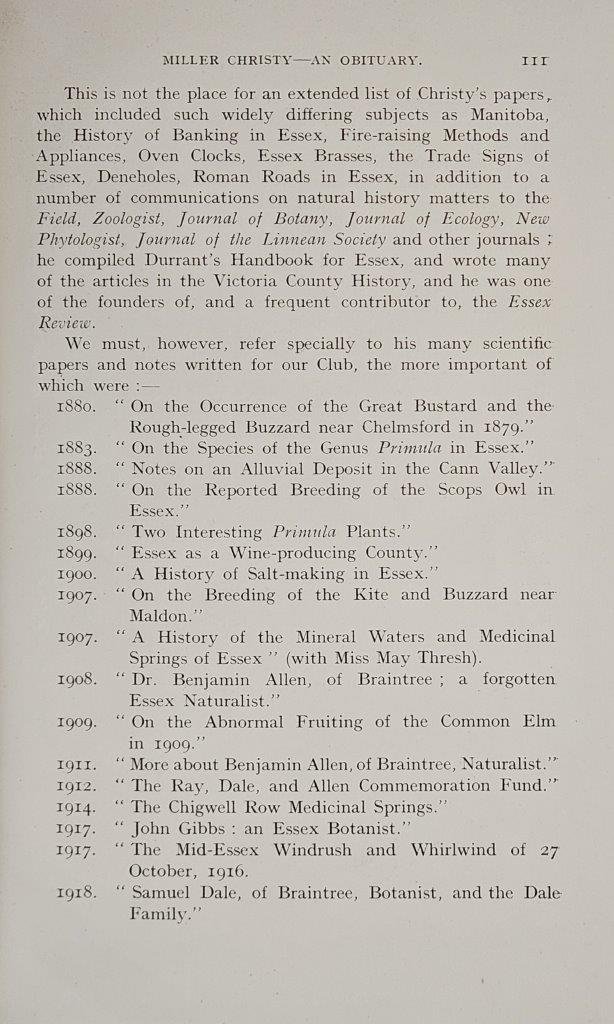
From ornithology to archaeology, famous explorers, fire-making history, and many other interests, dozens of works stand as testaments to his prolific contribution on many topics.
As he was the only researcher who dove head on into the seldom attended history of fire-making, Christy wrote the only references about the methods and devices that were the makers of fire. Without his dedication to this subject, we would be blind to the knowledge currently at hand.
As the Bicentennial Anniversary of the introduction of the friction match by John Walker is upon us, the subject is a timely one.
Preface
In the early Summer of 1990, a small group of individuals from England attended the annual convention of the lighter collecting club, OTLS – On The Lighter Side, in Las Vegas, Nevada. It was the first time such an occasion happened that immediately became a permanent association forming an international camaraderie of worldwide friendships.
Lighter collecting became the glue whereby a new and exciting hobby expanded to new and extensive experiences.
Some individuals involved in the emerging hobby took on roles as dealers; selling, buying and trading in similar order as other established hobbies, where businesses were formed and profit was possible. This facilitated the state of the art of lighter collecting we know today.
Among the individuals was an Englishman named Richard Ball, of Croydon, London, England. His presence in the hobby brought a level of unmatched inspiration and insight unknown previously to the collecting community. He was an advanced enthusiast with experience well beyond most lighter collectors at that time. He eventually became the creator of the club known as “Lighter Club of Great Britain.” Enticing horizons accompanied him as he brought the European contingent of collectors with him as we all became fellows of great camaraderie.
Knowledge and opportunity melded in an era of learning and exchanges as the new world met the old, and the dictionary of names and examples expanded beyond all expectations.
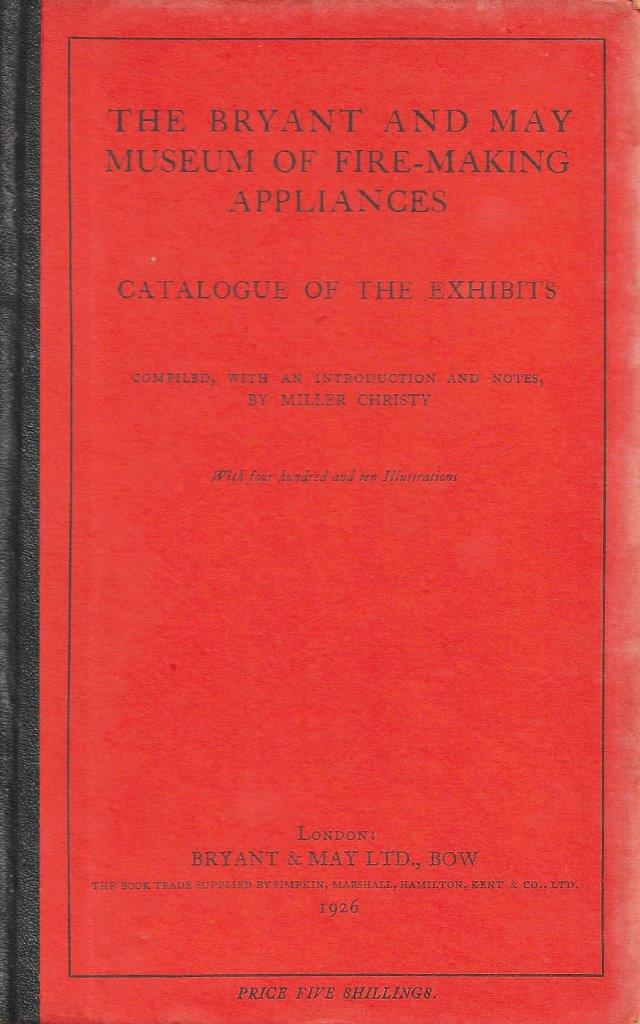
Included in the enlightenment shared by Richard, was the introduction to a book that was completely unknown to American lighter collectors at the time. It was entitled “The Bryant and May Museum of Fire-making Appliances, Catalogue of The Exhibits” by Miller Christy.
This was a pivotal event as the information documented in Miller’s tome was life changing to the collecting enthusiasts interested in the historical record regarding lighters, where Fire-making was the new term in describing this category of study.
Through this introduction, an entirely undocumented world of innovation became known. The ground-breaking knowledge, communicated through the Catalogue, opened doors of exploration into innovations that proved paramount in every aspect of scientific discovery and the art of invention. It showed that at every turn of invention in science, a lighter was the premier example of the technical innovation that science achieved.
Miller communicated a unique knowledge that without him having done as he had, an entire body of history and invention would have been forgotten and forever lost.
Miller Christy, the communicator
Communication is the light that illuminates the pages of history and regarding Miller Christy’s contribution, he alone is the only communicator to document a subject known to be mankind’s greatest achievement. That being – making fire. Whether by word of mouth or ink on paper, knowledge documented and shared becomes the foundation for what we know and why we know it.
Miller Christy was such a communicator. He was also an artist. His fascination with life, and the nature that expresses it, made him an independent research scientist of capable amateur capacity. His attraction to the natural world and his craving to know the history about almost everything, carved his voyage in life.
Through untrodden territories of discovery and mysterious adventures in far off lands, Miller wrote about countless subjects from the habits of birds he enjoyed watching to mummified bones found in ancient diggings of his own back yard. Miller found intrigue in everything around him.
He documented his findings and studied what his findings told of the things that, by way, were of general interest as well. For this he found reward in writing what he did and giving us a sadly seldom attended history about many otherwise forgotten topics.
Writing about these subjects likely brought imaginative ideas of what lay ahead, as he wrote his premiere articles for the new and exciting publication, Burlington Magazine, in 1903. It must have been an exceptional moment in his young life to see his work published, as it was. The hard work required to bring the information forward seems a commitment and the challenge was met with excitement and dedication. It tells that Miller was truly entrenched in his art. Between writing about the subject matter of his long time interests, to short, spontaneous, snips on passing topics, his investigative nature in studying the specifics regarding his subject matter led him to the lifestyle he lived. He was well travelled and had learned independence at an early age
Imagining what it was that drove this incessant man to work so hard as he did, is a challenge. His bibliography is immense! The subject matter is deep and filled with the need for previous experience. At least, to be up on his parallel level.
Currently, and for good reason, interest regarding the topic of Fire-making technology has found an audience of students who’ve learned how to use powerful new tools, and an economic side-structure has taken hold as the base for enthusiasts who collect “Lighters,” which has risen to many thousands, worldwide.
Lighter collecting is a modern-day phenomenon, if looked at the from a historical perspective, and high dollar finance has accompanied the surge in modern attraction to the many categories known today. Easily translated text and language encourage communication with cultures far outside our normal daily experiences, as new avenues of exploration open that were never before known. The Internet remains an unfolding reality in the ability to find and share information with exceptional ease.
Robert Miller Christy as he was legally known, would in all likelihood applaud our ability to email our colleagues or Google a name or subject, etc. Since publishing was his professed trade, the business of printing was at the heart of his daily endeavours. As the bibliography of Miller’s many works also include images of the examples and specimens that he documents (many in fine detail) it shows he was also an artist.
From ornithology to archaeology, famous explorers, fire-making history and many other interests, dozens of works stand as testaments to his prolific contribution on many topics. His interest in these subjects brought him acquainted colleagues sharing similar interests where lifelong friendships began.
As he was the only researcher who dove head on into the seldom attended history of fire-making, Christy wrote the only references where his work addresses details about the methods and devices that were the makers of fire. Without his dedication to this subject, we would be blind to the knowledge currently at hand.
Miller’s booklet, “The Centenary of the Friction Match,” is a primary source for sharing this history, as he wrote it just before he passed away.
Though other writers had documented the controversial happenstance of when, where, and who was first to achieve the great accomplishment, it seems that a point in time arrived where the facts became indisputable.
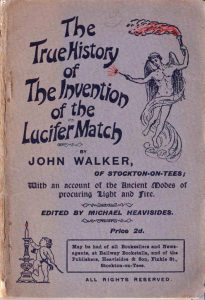
Michael Heavisides had earlier, in 1909, written his thoughts in a pamphlet sized booklet entitled “The True History of the Invention of the Lucifer Match by John Walker,” where demonstrative examples of facts were included as testaments to the allegations of being the first and true innovator to bring fire to our fingertips.
It set a stage where comprehensive information collaborated with the personal testimonies and physical evidence as proof of what attested to the historical record.
Miller dropped Robert from his name during his earliest writings. Various stories hint as to why, but Miller Christy as an author predates his attention to Fire-making history. His earlier works began in Canada, where he captured sketches of life among the people of Manitoba. His interest in nature and ethnographic geography were foundations to his investigations regarding the influence of agriculture upon the land and environment. All the while, he studied countless subjects in great detail. His observations were documented with scholarly insight and scientific objectivity. To read all that was written by Miller would be a notable ambition.
Sometime in the 1890’s, as a hunch in probability, Miller befriended Edward Bidwell, a senior to Miller but a soon to be mentor and lifelong friend.
The first glimpse that Fire-making as a subject becoming of interest to the techno-savvy scholars of the day was around the first few years of the beginning 1900’s. Edward Bidwell had become a noted collector of both fire-making technology and birds eggs. Ornithology was another common denominator in Miller’s friendship with Edward. They were birds of a feather of sorts. Edward lectured on the subject and showed his museum grade collection of rare examples while Miller would write about the exhibits and document information.
In the Spring of 1903, the first feature article on the subject of fire-making was published in Volume 1 – Number 1 of the debut first edition of Burlington Magazine. This historical beginning continues today, as the publication is currently boasting over a hundred and twenty years of providing subject matter to their subscribers with the same merits as when established.
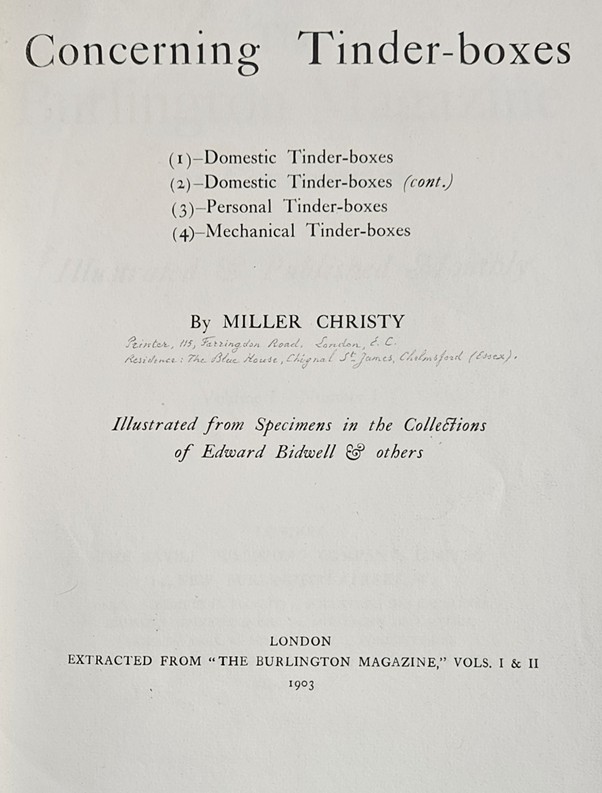
Written and published in a series of four instalments, separated by categories of distinction Miller segregated the examples by their function.
He went to such lengths to tell the story well that he created a series of wood block prints for dozens of the examples, most copied from pieces in both men’s collections. Miller by now had become an avid lighter collector himself. Other collectors of the time were also included and credited for their contributions. Miller extended his gratitude to several contributors including Henry Balfour, Edward Lovett, and others.
Copies of this rare article can be found on the internet and oddly it appears that these were the only articles published in any periodicals of the day. Miller writes in a letter that other articles were unlikely as the ownership of The Burlington had changed and new ideas disregarded the subject matter of fire-making. In fact Miller says that the anticipated follow up article written in part by another collector named Henry Balfour, was rejected in view of the new publisher’s interests.
All the same, other publications did come forward with specific connections to related topics.
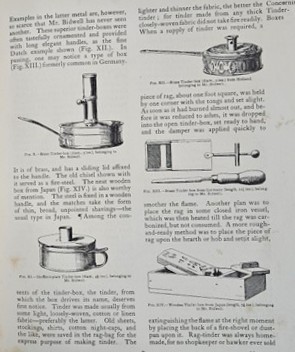
Examples of Miller’s craft in image printing came through as a printer and publisher of works other than his own.
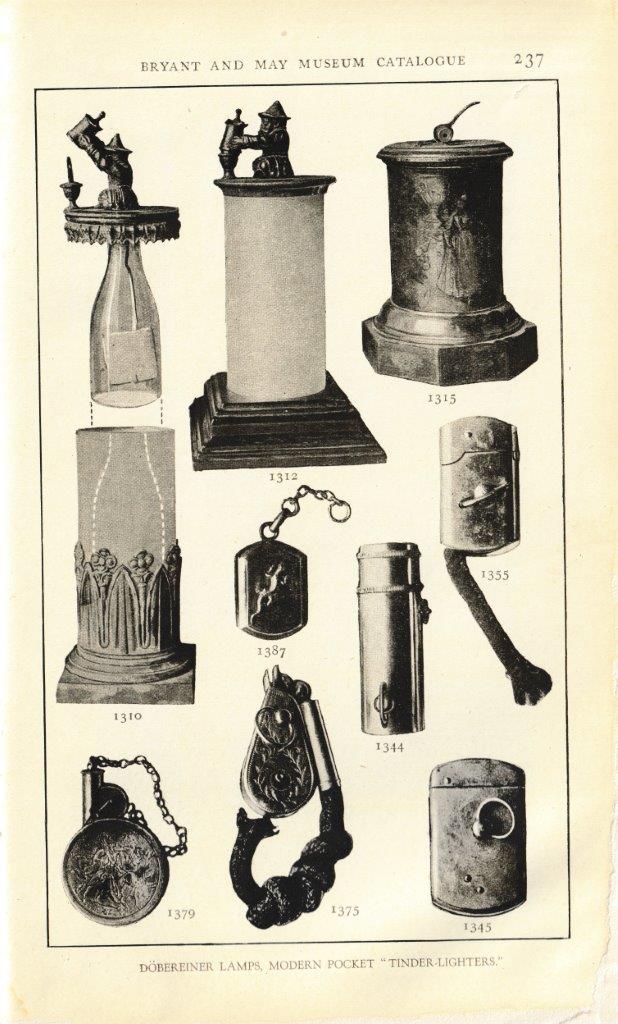
No surprise that he brought these skills along with him as he wrote the Catalogue of the Exhibits for The Bryant and May Collection both well before Edward sold it and after.
Lighters that would interest most collectors even now…
The scope of Christy’s interest in lighters was vast. Here’s one page from the Catalogue showing lighters that are separated by nearly a hundred years of innovation.
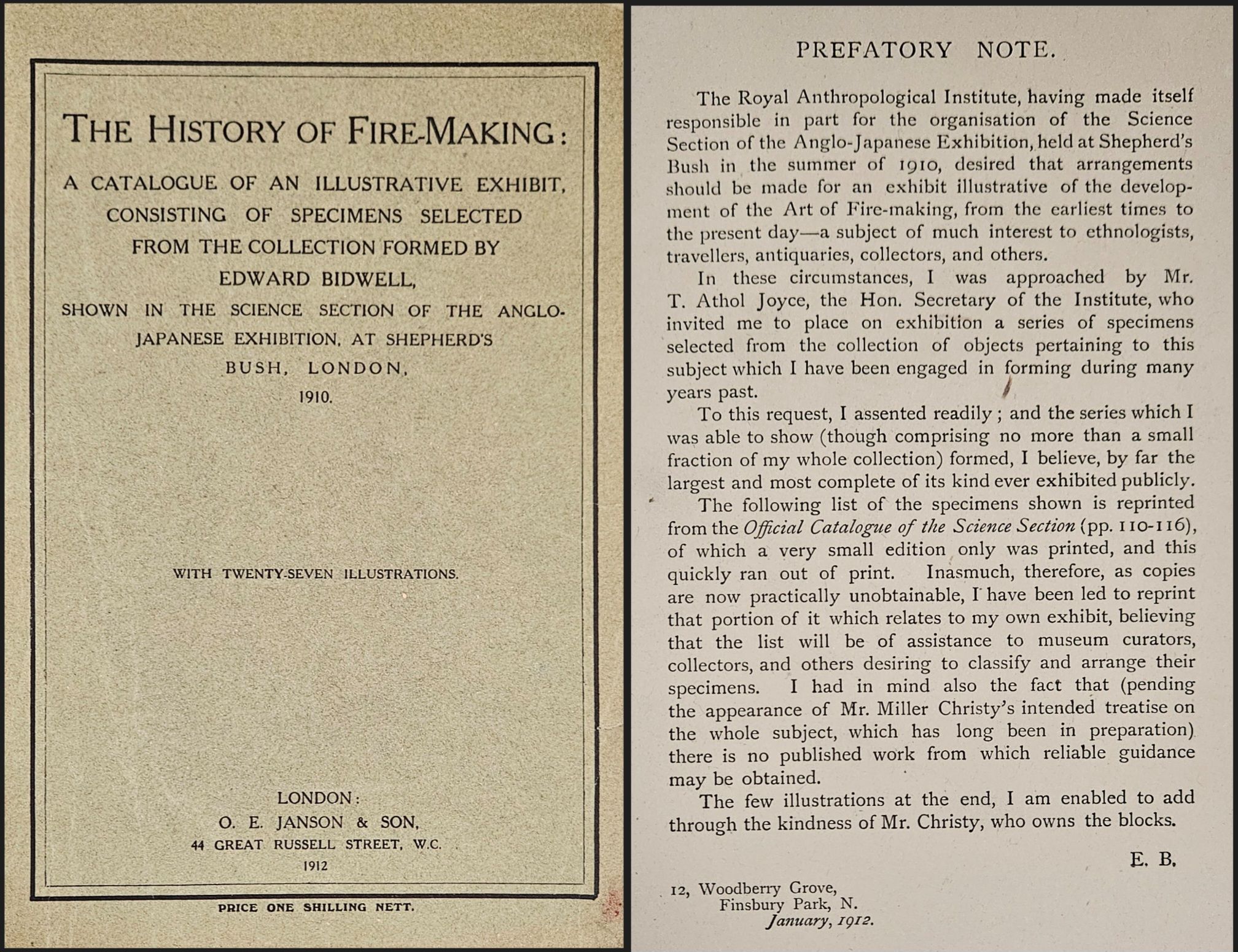
The next time that Miller appears to be connected with Bidwell’s outreach efforts is recorded in the booklet published in 1912 about the Exhibition which Edward named appropriately enough “The History Of Fire-making.”
Here, the association seems gratuitous as the credit for Miller’s contribution is not in the title page. The “Prefatory Notes” tell the story related to the images, which were also previously published in the 1903 issues of Burlington Magazine.
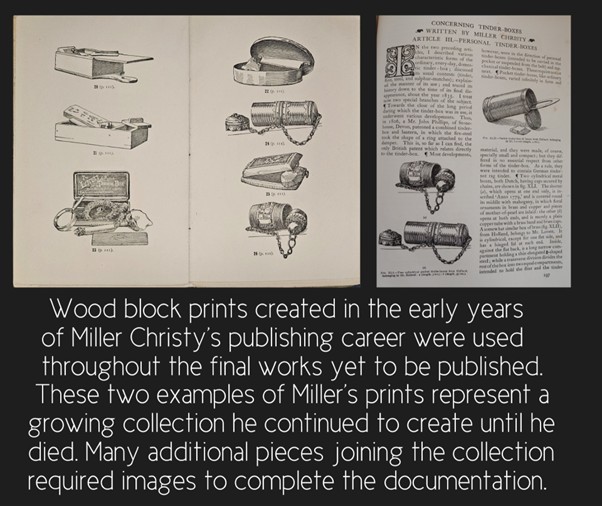
These printed tinder lighter images are repeated in the examples discussed here, and will appear in later editions of Miller’s documentation. These works form the foundation that Bidwell asserted about Christy’s far more extensive catalogue that he had in the works.
In 1913, Miller engaged his resources to participate in a grand exhibition of historical examples of both early lighting and fire-making innovations. The occasion brought together hundreds of museum quality specimens that defined the various categories by function. From friction ignition to friction matches, the 1913 “Catalogue of Fire-making appliances” enshrined a title that will reappear a decade later. Christy had begun the ardent task of documenting a subject that had no predecessor or guide to follow. His only resource was a tremendous collection of unique objects of which each had an untold story that was lost to time itself.
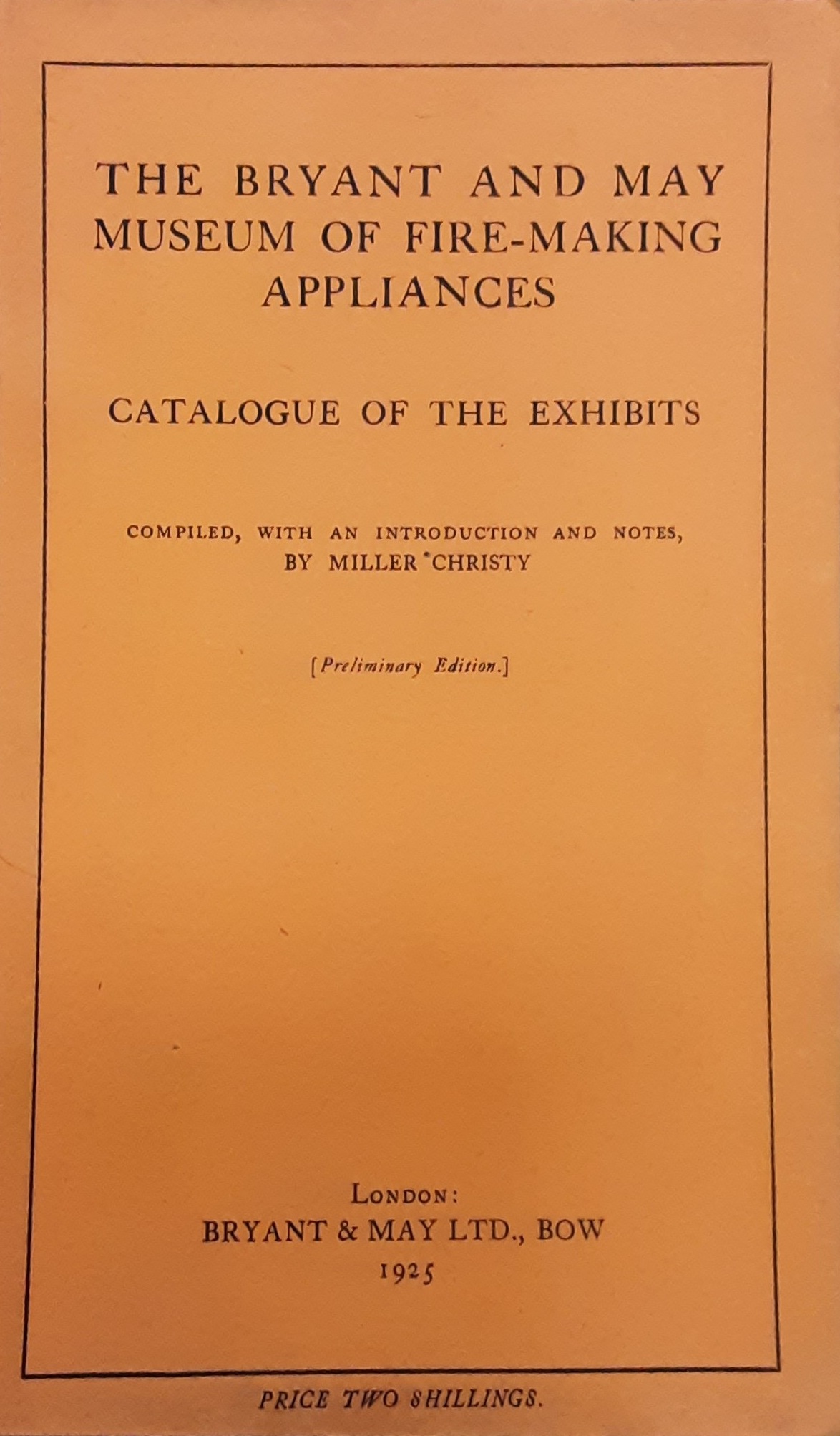
Following his efforts from previous writings, the endpoints of Miller’s growing body of works, the first edition of the Bryant & May Catalogue was solely based on Edward Bidwell’s collection as it had been inventoried when the match manufacturer purchased the collection and Miller was engaged to write about it.
This culminated in the “Preliminary Edition” published in 1925. This edition had only text descriptions without images and focused exclusively on the collection as the Museum was under development. Approximately fourteen hundred objects are described.
By 1926, the second publication was released with four hundred and ten illustrations. The inch and quarter thick book was offered for sale at five shillings each, and had expanded to include over three thousand examples.
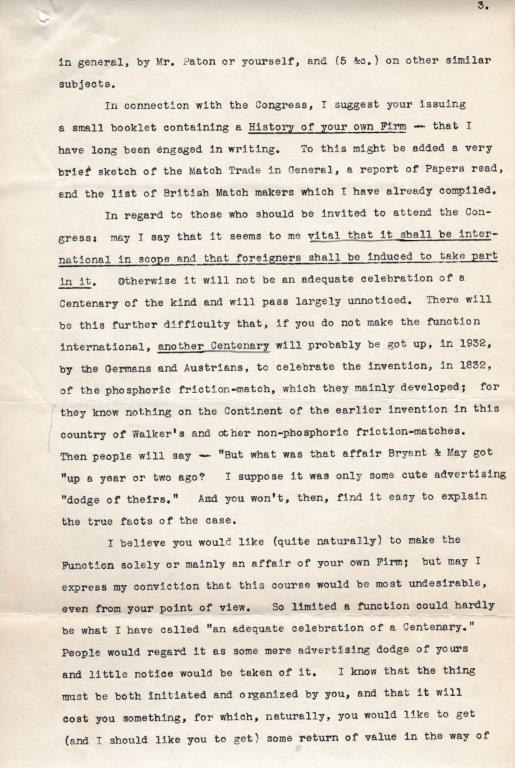
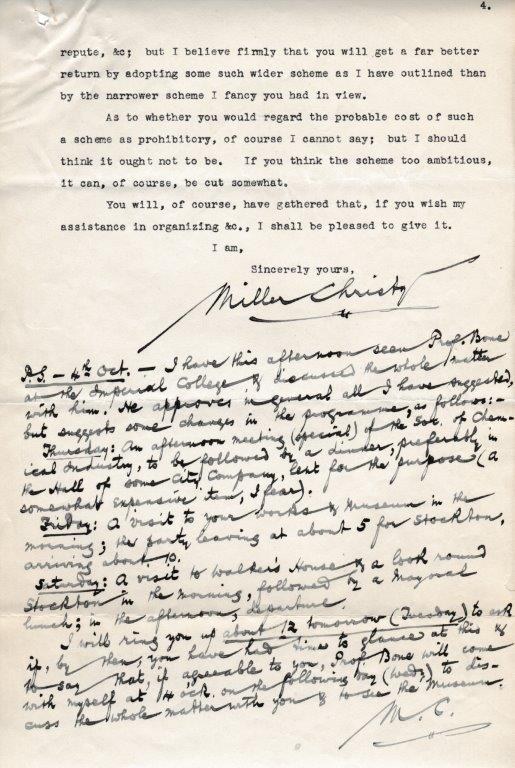
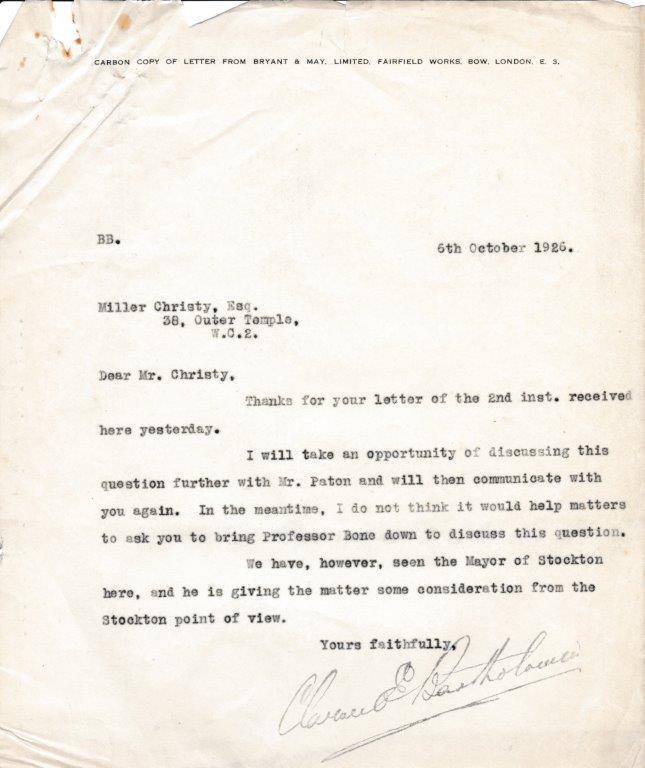
Also in 1826 Christy wrote to Bryant & May encouraging them to mark the centenary of John Walker’s invention of the Friction Match, and his “Centenary of the Friction Match” was published in its entirety in the BRYMAY Magazine Vol.VI, No.7, April 1927.
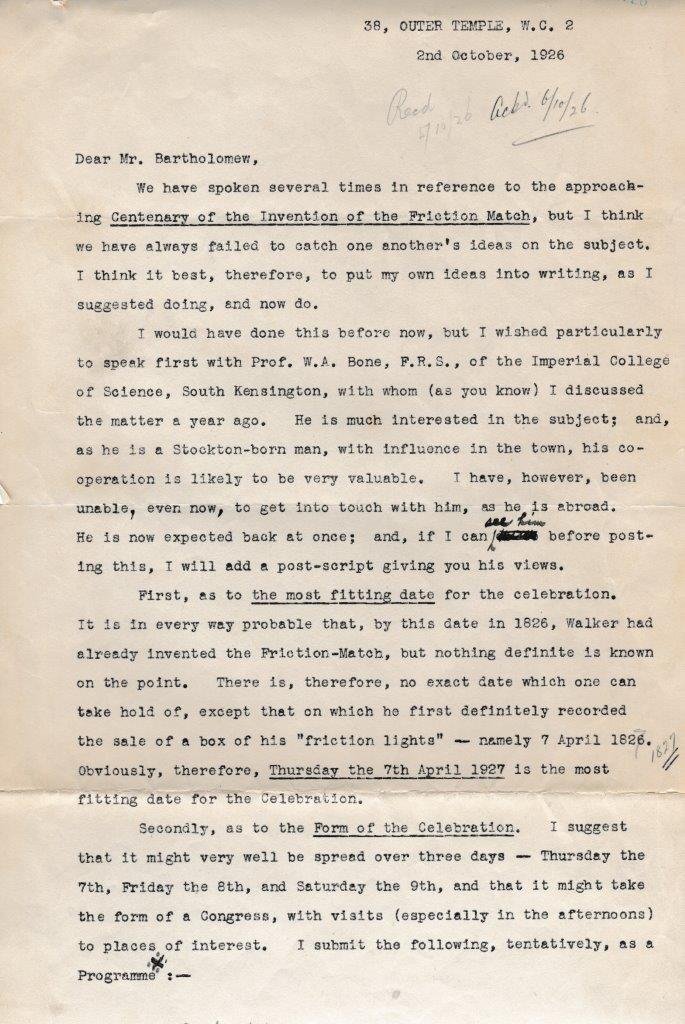
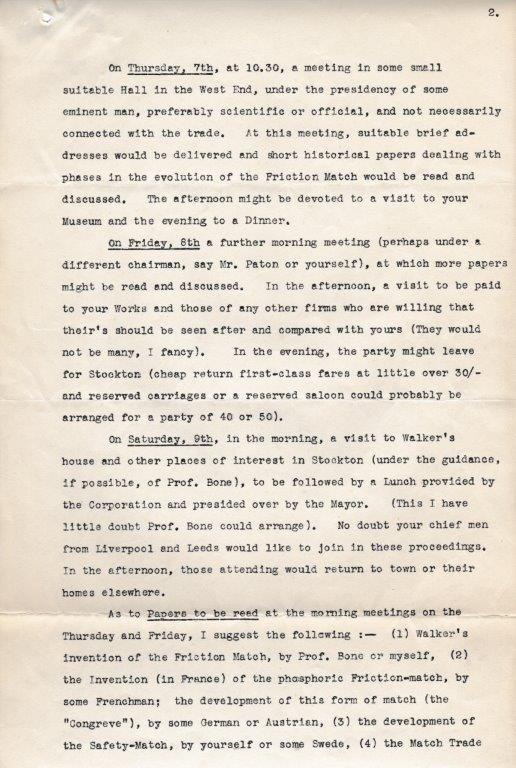
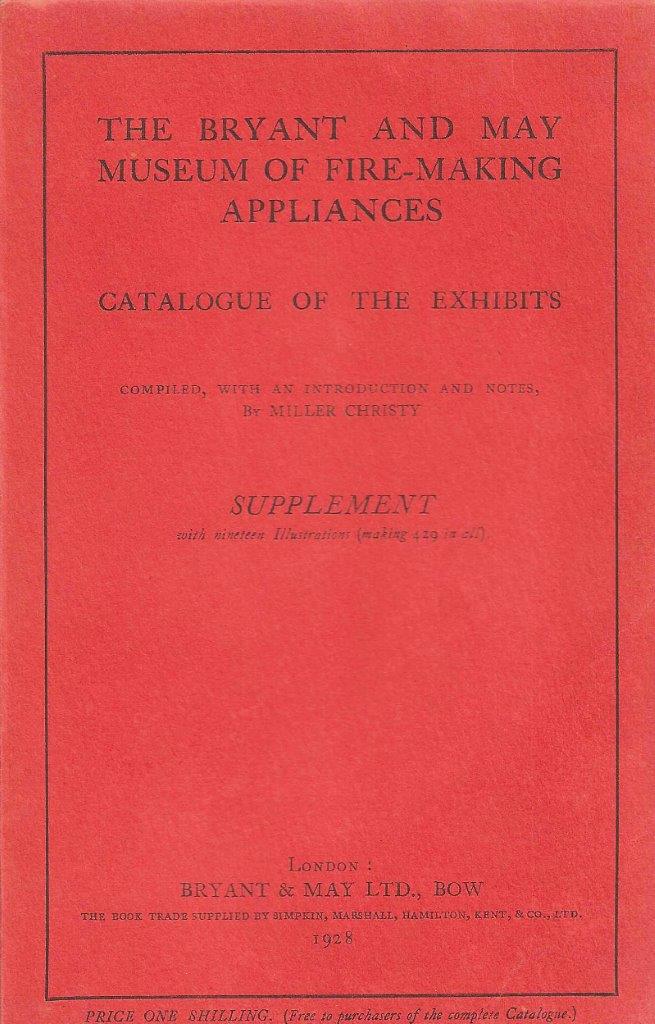
Hampered by this new and over burdening situation, it was decided that the new additions be addressed in a second part by a separate publication entitled “Supplement” where other adjustments and corrections were included. The effort of which seems to suggest that Miller was becoming distraught with the task that seemed never ending. His hope to have finished what he had undertaken so many years earlier appears to have taken a toll upon him.
The statement below follows the “Prefatory Note”:
- “Mr. Miller Christy was obliged to undergo a serious operation and died in London on 25th January 1928.”
He didn’t see the publishing of his Supplement and at sixty-seven years of age he passed away leaving behind a legacy now recognized as central to the knowledge we know today.
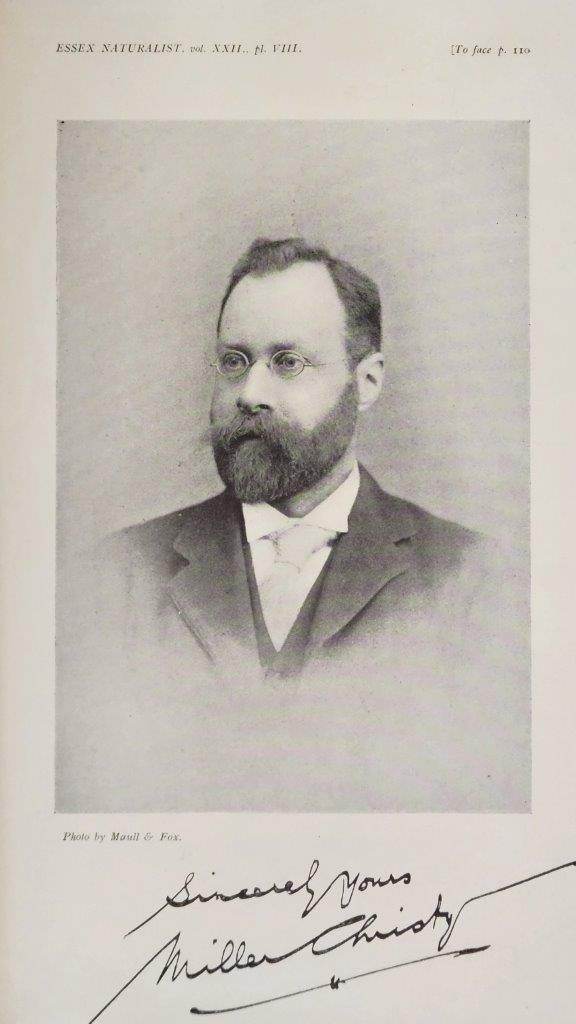
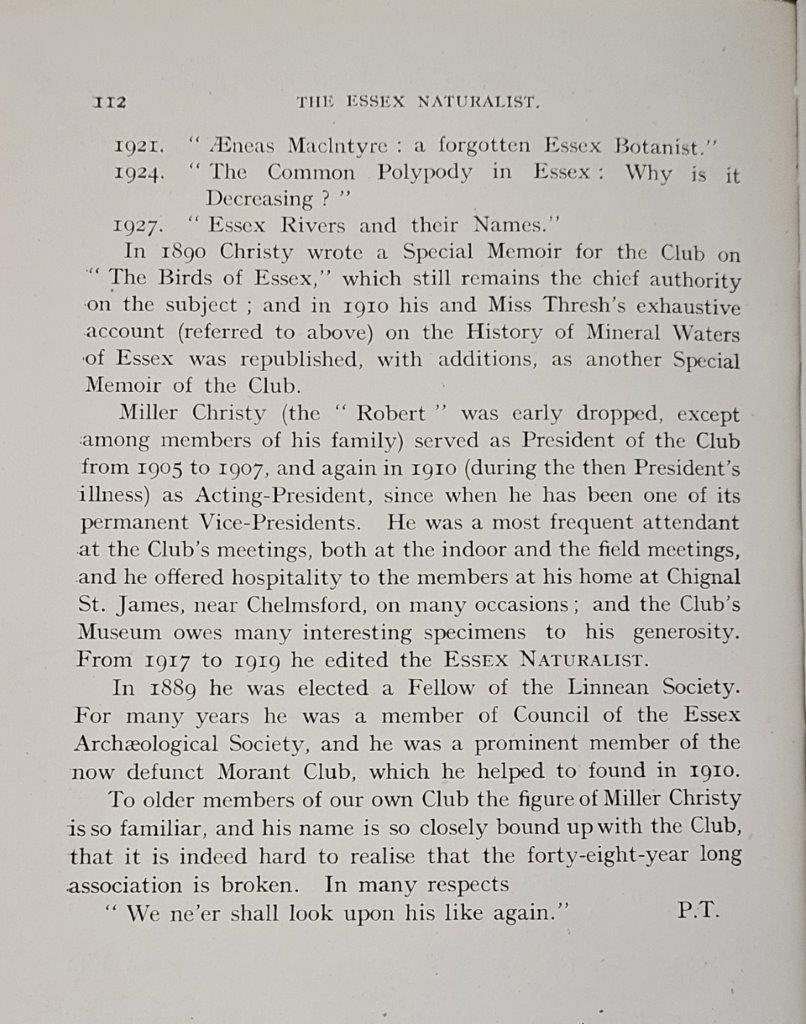
RIP Miller, here is his obituary.