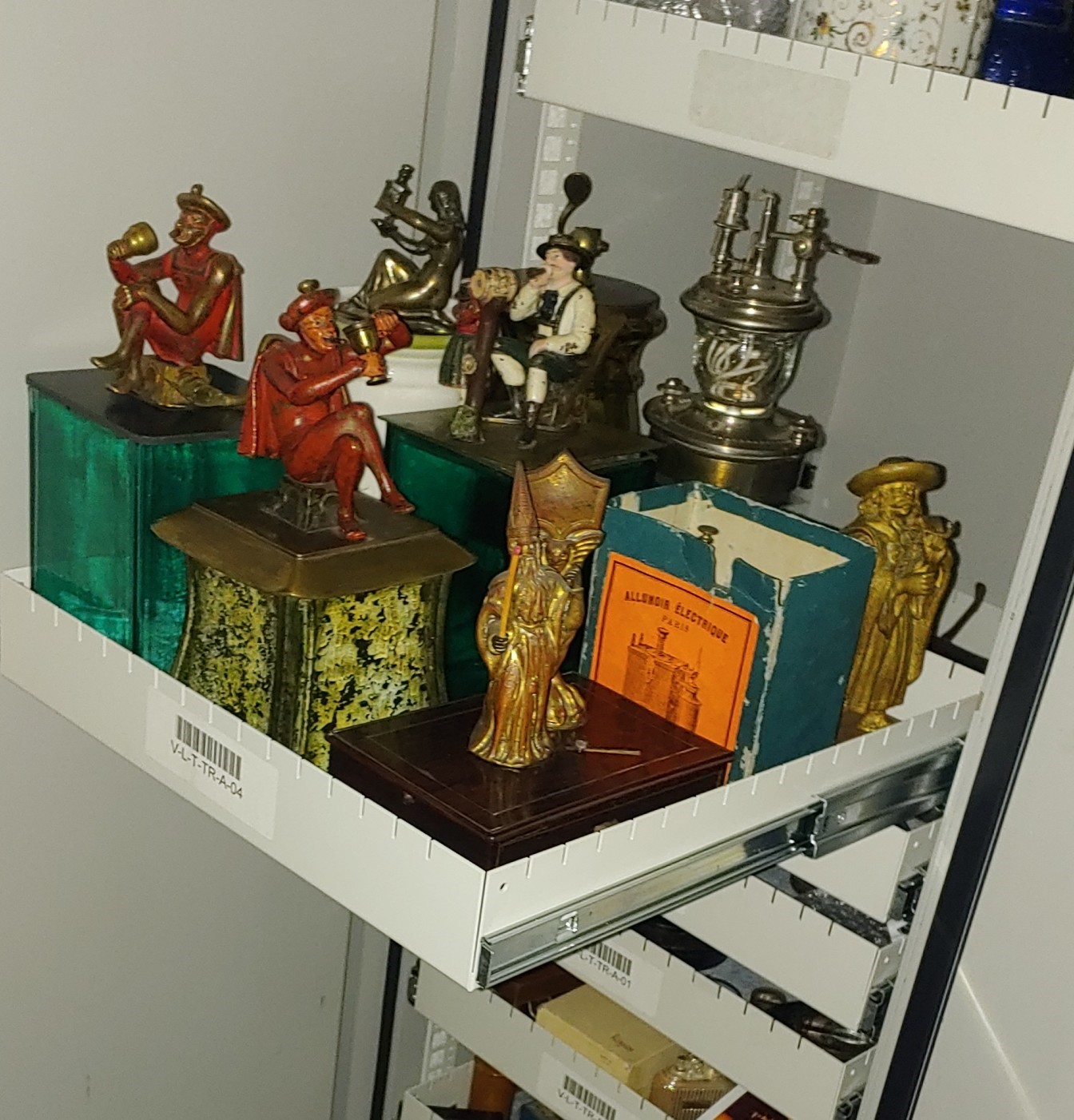
I was born in 1948 and I collected matchbox labels from my youth. I started collecting labels issued for the Czechoslovak domestic market and later I continued with the Czechoslovak labels for export.
In the last 50 years I have been collecting all labels from the former Austro-Hungarian empire.
This hobby brings me great pleasure and I make friends with many collectors in my country as well as abroad. I am member of the British Matchbox Label and Bookmatch Society.
I collect objects and information related to specific areas of interest, where innovation in fire making is concerned. After fifty years being engaged with the subject, in a very broad sense, my focus has settled on innovations created during the age of enlightenment, and until the beginning of the twentieth century.
Some of my lighters
My collection has evolved as knowledge and opportunities emerged. Information and new examples have connected enough evidence to say that a better understanding of the industry that developed and what impacts took place, as a result.
Boxes of matches used to be a familiar printed matter and were regarded fondly by people. But as a throw-away object, their life tends to be short. I embrace their fate and continue to collect them as a record of our everyday life.
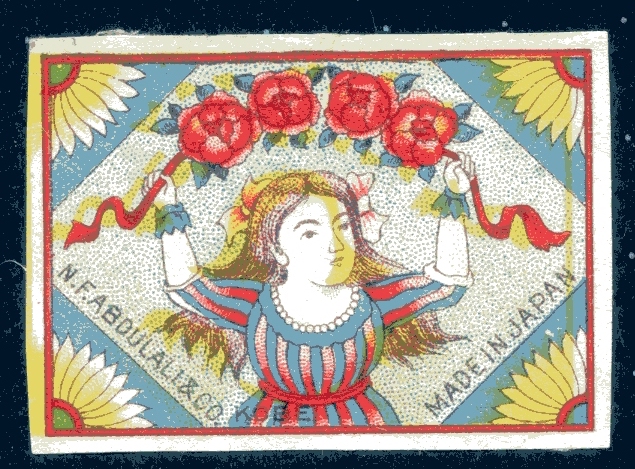
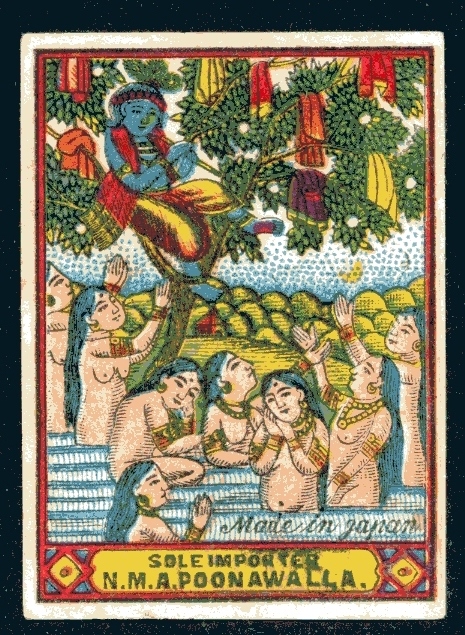
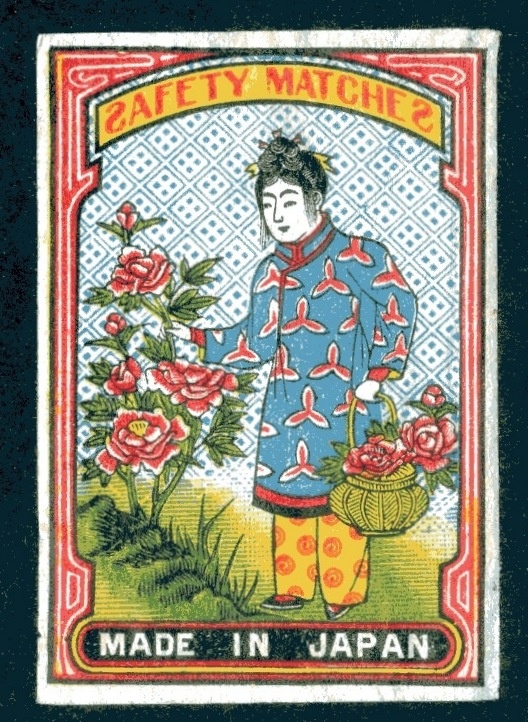
Japan export to Europe, Meiji – Taisho era, 37 x 56 mm
I have been collecting for 30 years (labels and skillets 50,000+).
My collection mainly focuses on Japanese labels for export matchboxes in the Meiji – Taisho era (1868 – 1926).
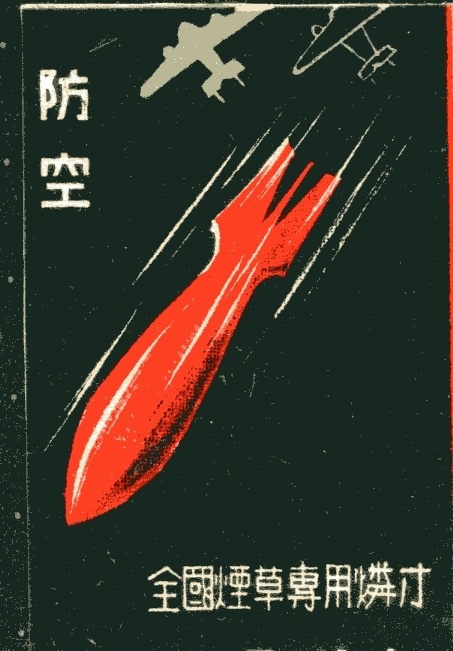
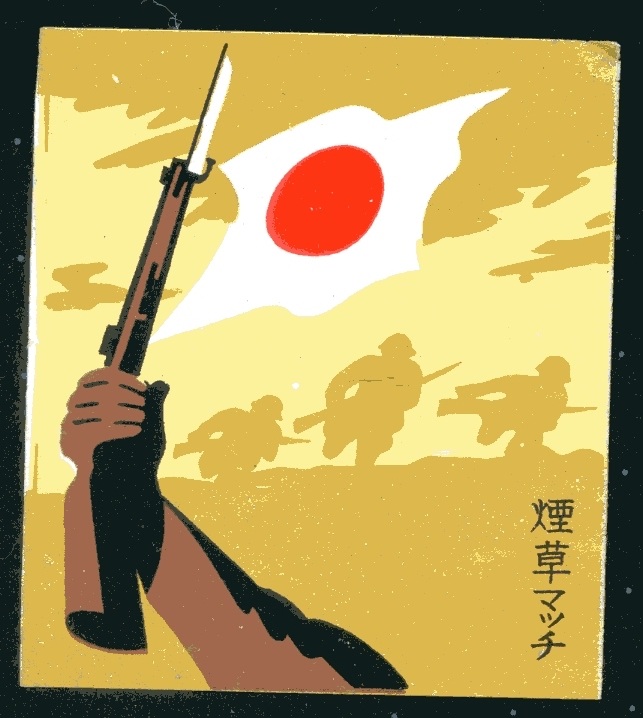
I am also interested in Japanese advertisement matchboxes used for pro-war propaganda produced just before Japan’s defeat in WWII.
Some of these labels are shown in the gallery below, click on an image to enlarge it.
I have been a BML&BS member since 1968 but have collected all my life starting in the early 1950s or even late 1940s. I am also a member of the West and Midlands Phillumenists for whom I edit a quarterly magazine.
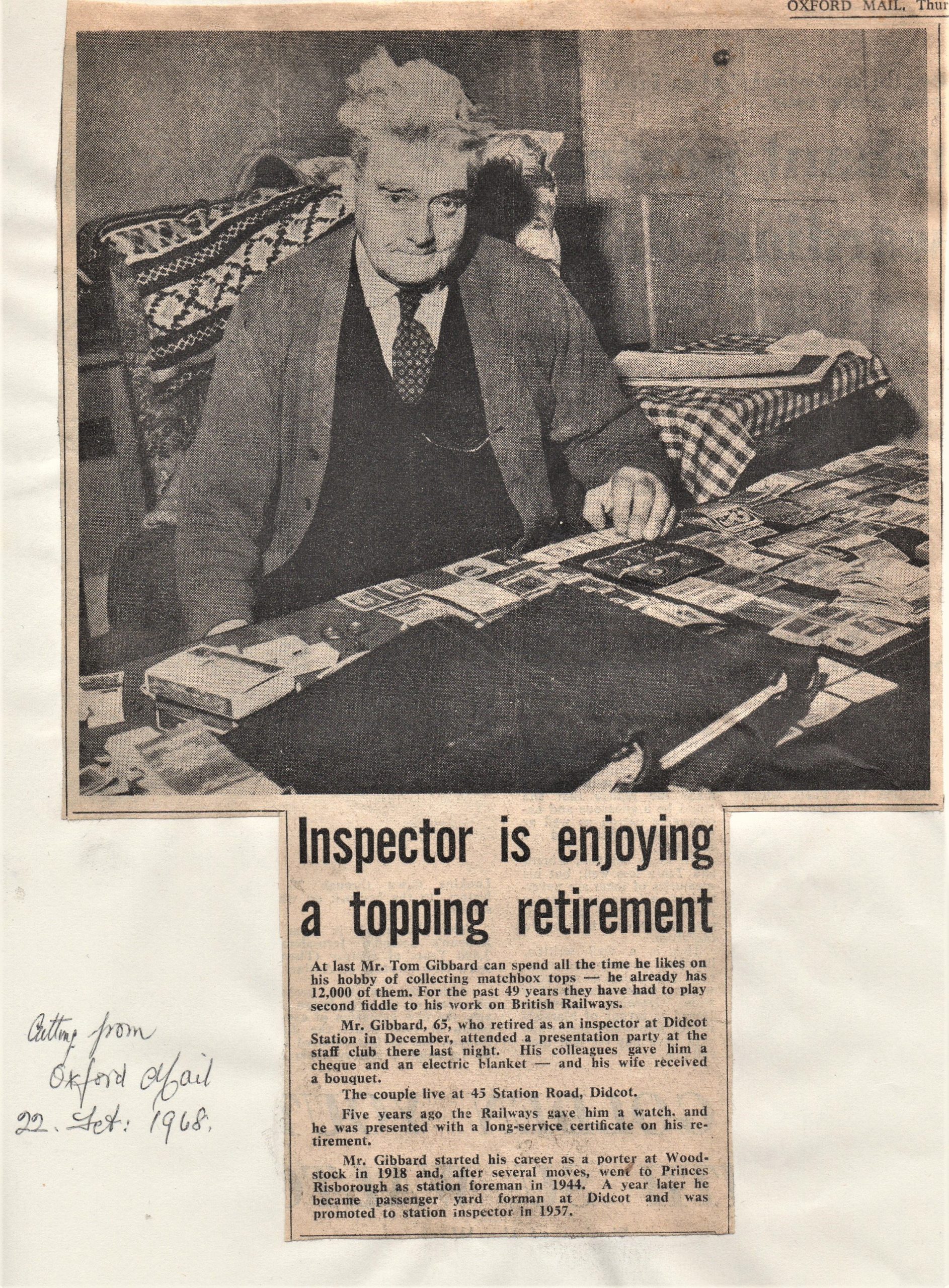
My father in 1968
My father was a railwayman and he started to keep boxes during the war when some appeared with propaganda and patriotic slogans.
While my father’s collection comprised boxes and labels mine concentrates on bookmatches, presently only those relating to the British market. Even this is a huge subject and my collection comprises about half a million items.
Matchboxes caught my attention when I was 11 years old. I started the collection imitating a cousin. At first it was a game and an excuse to escape from the family farm to explore the shops and tobacco shop.
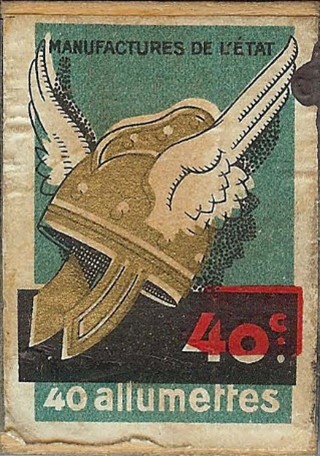
Exploring the attics didn’t turn out, but I found “Casque d’or” box, dated mid-1920s, in a drawer at my grandparents’ house, a treasure for me at this time !
Casque d’or label, 50 x 35 mm
The virus for good infected me in 1994, at random from a newsstand, when I discovered the existence of L’Association Vitolphilique et Philumenique Francaise (AVPF) through a classified ad from a collector in a specialized newspaper. I was then 22 years old and began to search for old boxes.
I immediately made the choice to limit my collection to complete French boxes and to go back as closely as possible to the origins of this everyday object. My oldest box is from the end of the 1830s.
From before 1950 I have about 3500 complete boxes including 1000 from before the monopoly established in 1872. Over time I have also collected labels, especially for advertising boxes from the 1920s / 1930s some of which are very rare. Since 2008 I have been in charge of writing the magazine of AVPF and since 2011 chairman of the AVPF.
I am pleased that some of my previous Exhibits won Awards from the Society and are now in its Permanent Gallery.
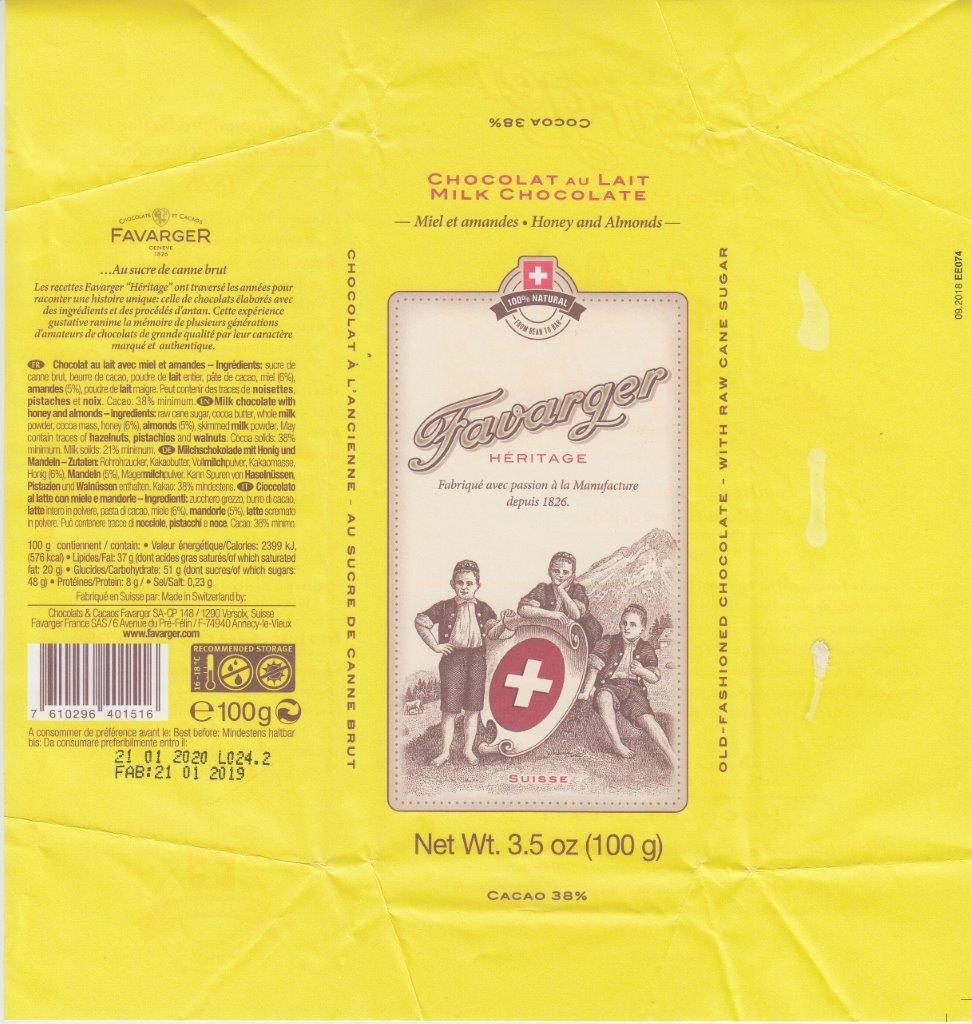
My name is Stefan Joset, I am 65 years old and already retired. I live in Switzerland in a village near Basel, where I grew up. I have been a collector for as long as I can remember. It started with postage stamps, collected all advertising art from banana labels to beer mats and over the years it has all taken up way too much space. That’s why I reduced my collections and now specialize only in Swiss matchbooks, Swiss chocolate wrappers and Liebig pictures (trade cards).
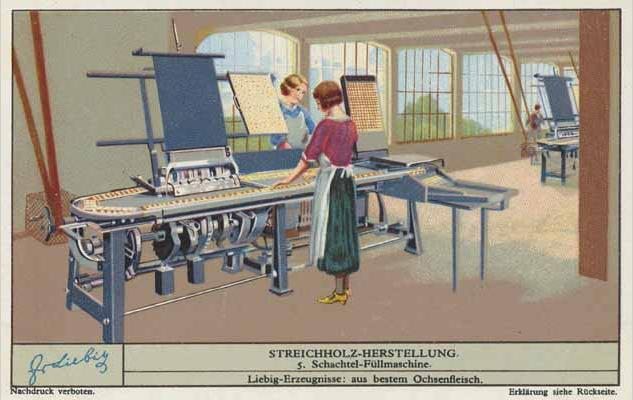
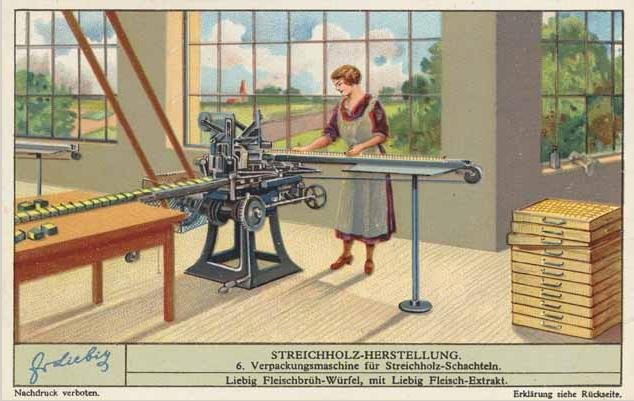
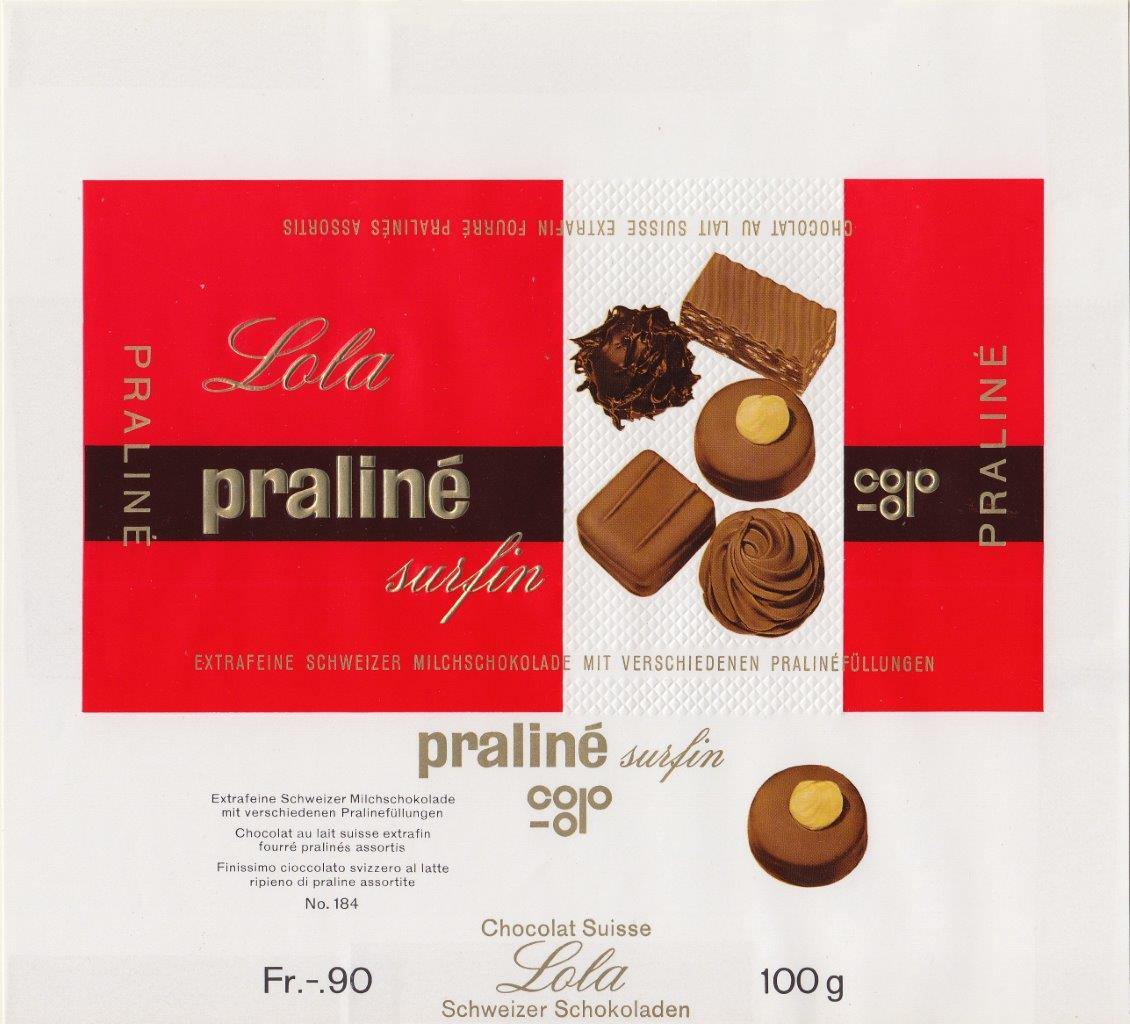
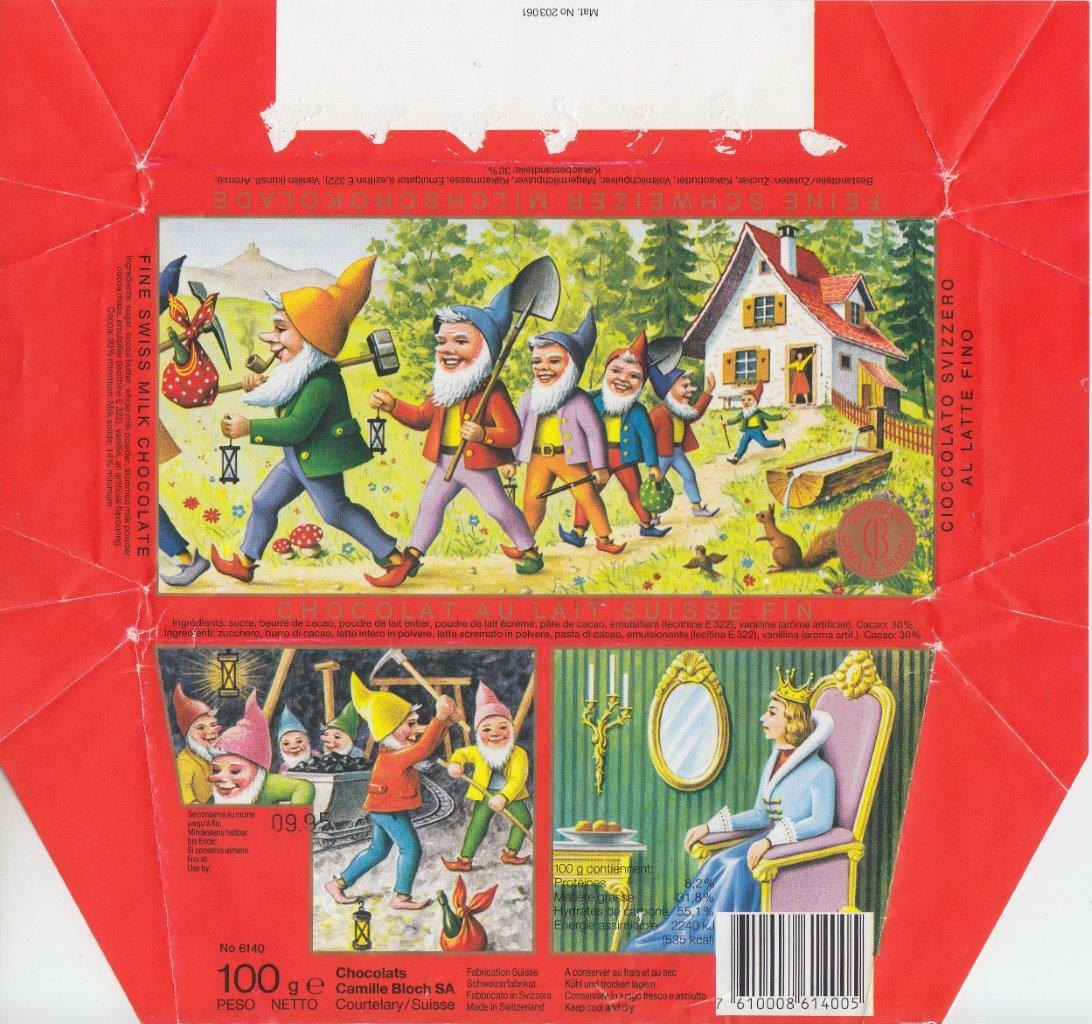
Here are a few examples of Liebig pictures and chocolate wrappers (more information on the chocolate wrappers can be found here).
Liebig card
Liebig card
Liebig card
Liebig card
Liebig card
Liebig card
Chocolate wrapper - Praline
Chocolate wrapper - Milch
Chocolate wrapper - Heritage
In my free time, I am still in charge of the Swiss Match Museum and mainly take care of sorting, archiving and cataloguing our collection and exhibits. In addition, I take care of the homepage and organize the international exhibition Phillonex every year.
I really like the variety and rich colours of the Swiss bookmatches, which are decorated with a local animal, the chamois. For decades, this trademark was emblazoned on the products of our then largest match factory in Switzerland.
I was introduced to the collecting of matchboxes, matchbooks, labels and more by a family friend who had worked in the Far East and who had a nice album of labels and skillets from Hong Kong that he would show me occasionally. Early on I fell into the same trap as many fledgling collectors with skillets thinned and trimmed; matchbooks bobtailed; and everything stuck into albums with rubber glue and Sellotape. So, 10 years in, my collection had to be thrown out and I started all over again!
In the intervening years I had come across a presentation pack from the Cornish Match obtained when I went to Cornwall on holiday; and learned of the existence of the British Matchbox Label and Booklet Society. A lifetime friendship with David Van Der Plank would later follow.
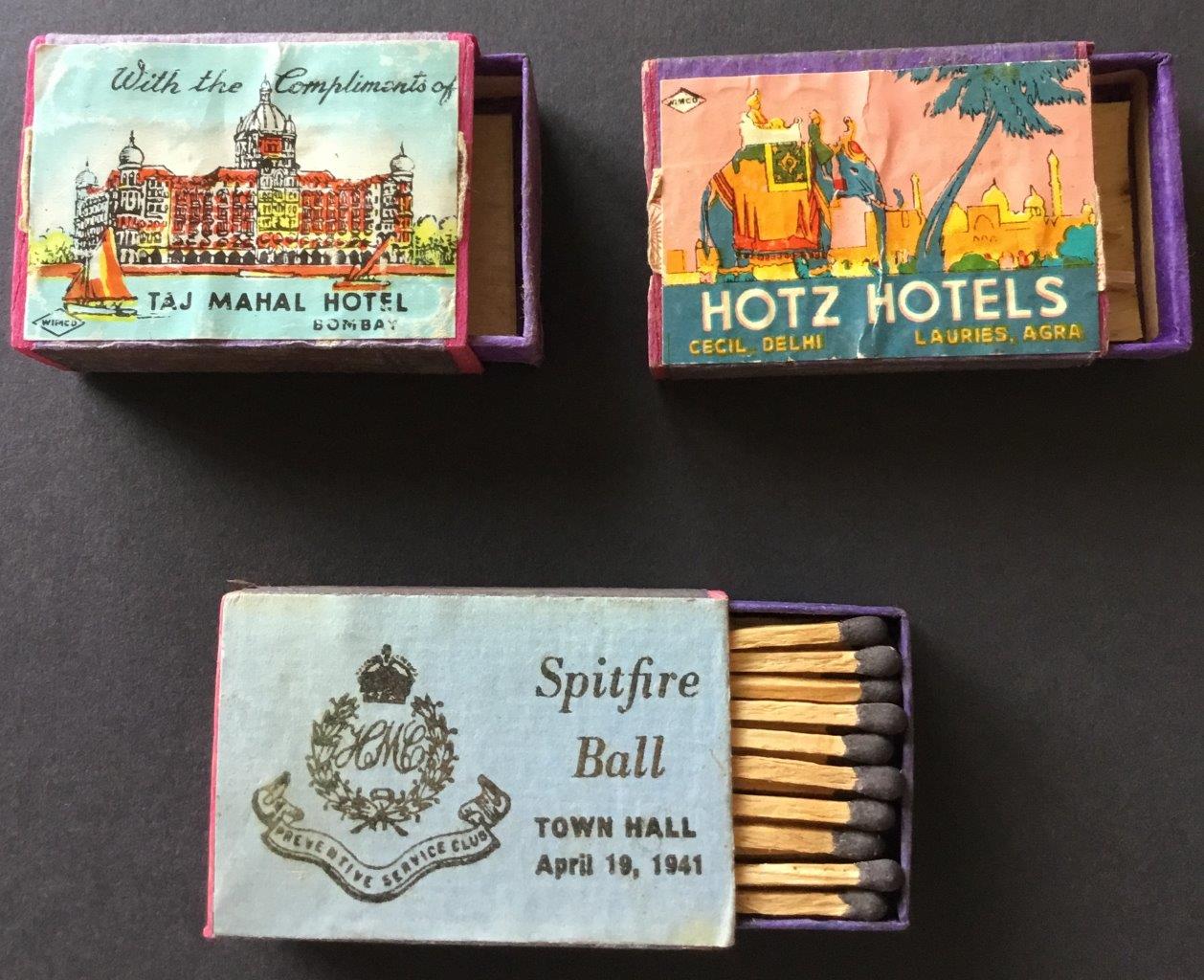
Three complete rare Indian matchboxes, from WIMCO
Initially I started collecting Indian labels because they were cheap, numerous in number and easy to purchase.
Slowly I branched out to other Asian countries though, somehow, I have never had the desire to collect labels from Japan or Sri Lanka (Ceylon).
Gradually I became more interested in researching matchbox history and making my findings available to other collectors.
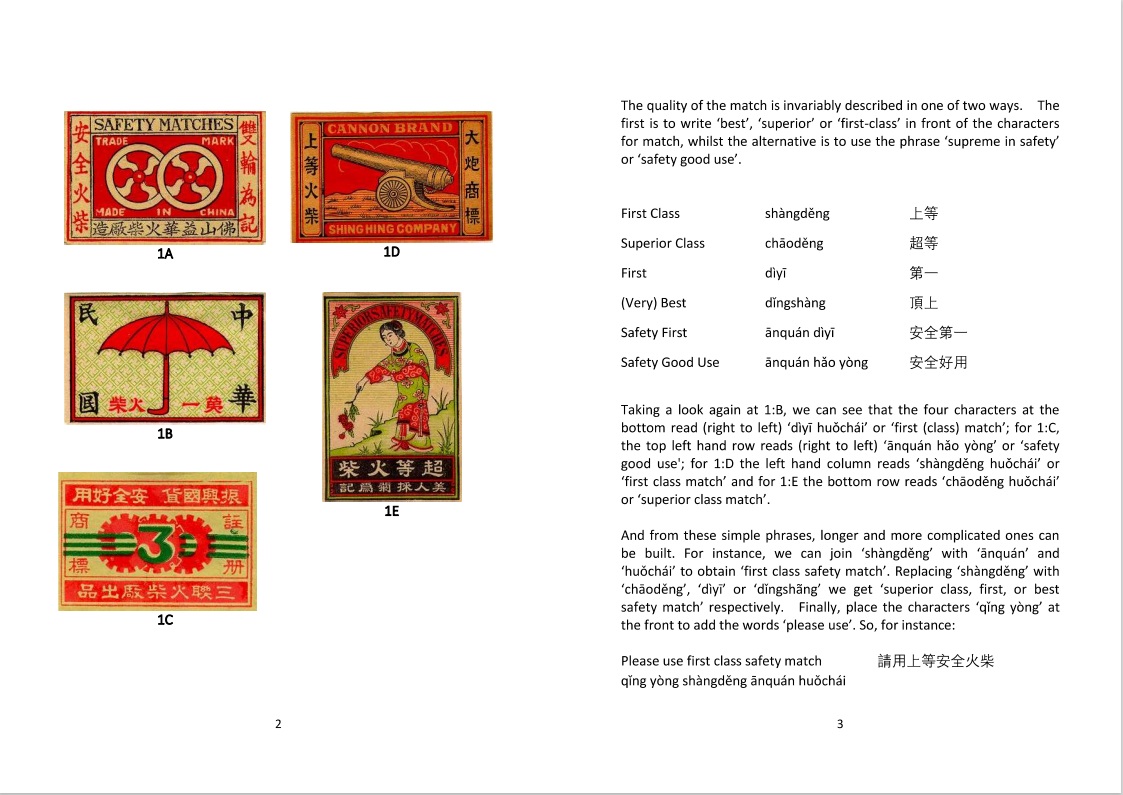
Two pages from my book
I was in an advantageous situation as my daytime job as a computer support officer at the University of Liverpool allowed me access to research resources only available to academics. I then took night school classes in Mandarin Chinese so that I could understand labels bearing Chinese characters. A book followed (“Towards a Better Understanding of Chinese Matchbox Labels: A Beginners Guide to Translation”) and now that I have retired am working on updating and extending it.
Today I am as interested in researching the history of match manufacture as collecting matchbox labels!
Hello, This is Shakil Huq from Bangladesh. I am a matchbox collector and I have been collecting for a decade.
I’m a very passionate matchbox collector. I can’t think of a day without a matchbox. I design matchboxes as well, and have designed more than five hundred matchboxes to date.
I am Rupert Harris. I live a few miles from the old Moreland’s Match factory in Gloucester, England which Bryant & May acquired in 1913 and was closed in 1976. I have been collecting Bryant & May Hardware and Ephemera for over 40 years. My mother was a passionate collector and I very often accompanied her around the antique shops, fairs and markets. At the tender age of ten she encouraged me not only to look out for items that may be of interest to her but also to follow her footsteps and become a collector myself; but of what?
The Moreland’s factory was a landmark that we often passed and was very visible especially at night. For many years including after the closure of the match factory, the neon signage above the main entrance gate continued to brighten the night sky. Still there today, it comprises a pair of crossed matches and went through an ongoing looped sequence of both brown wooden splints lighting up, then the two red match heads, which then both burst into a flickering flame before brief darkness and the repeat of the cycle.
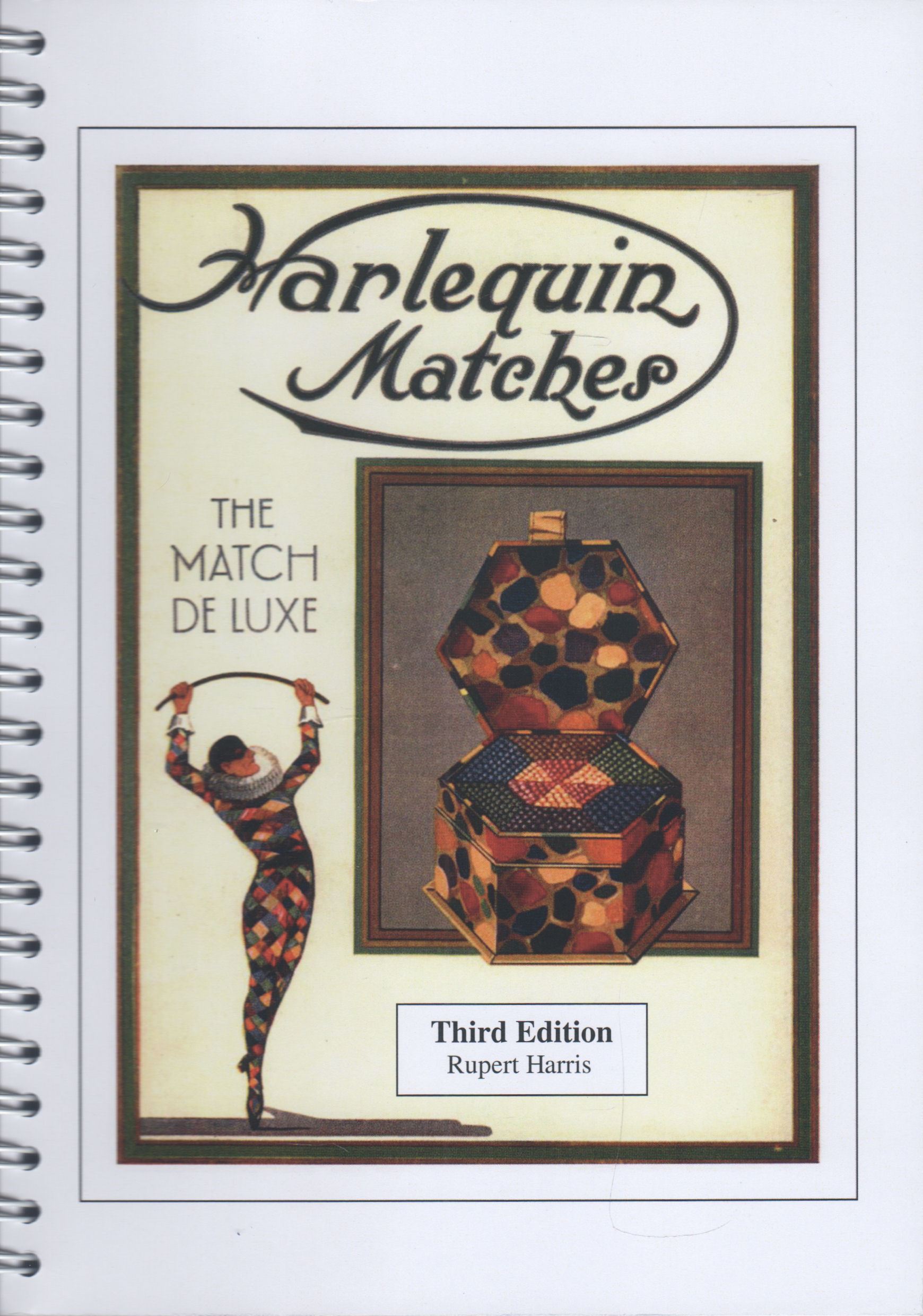
Harlequin Matches, third edition
Some brief research established that Gloucester had previously been the second largest manufacturing centre in the country behind London. The decision to become a phillumenist had been made and the collecting began. Within a year the wise decision, owing to budgetary restriction (pocket money, parent generosity) led to the narrowing of the collection to items bearing the words upon them of ‘Bryant & May’.
In 2008 I published a book about Bryant and May’s range of Harlequin Matches which is now in its third edition which adds in even more information about these fantastically colourful matchboxes.
Rosemarie founded The Cornish Match Company with her late husband David in 1962, and oversaw its rise to the forefront of the UK match industry during the 1970s. Always collectors and researchers, as well as shrewd business people, the van der Planks created many iconic matchbox labels and skillets for their company, including the Old Cornish Mine and Cornish Wreck series.
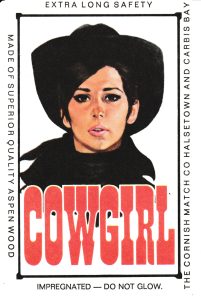
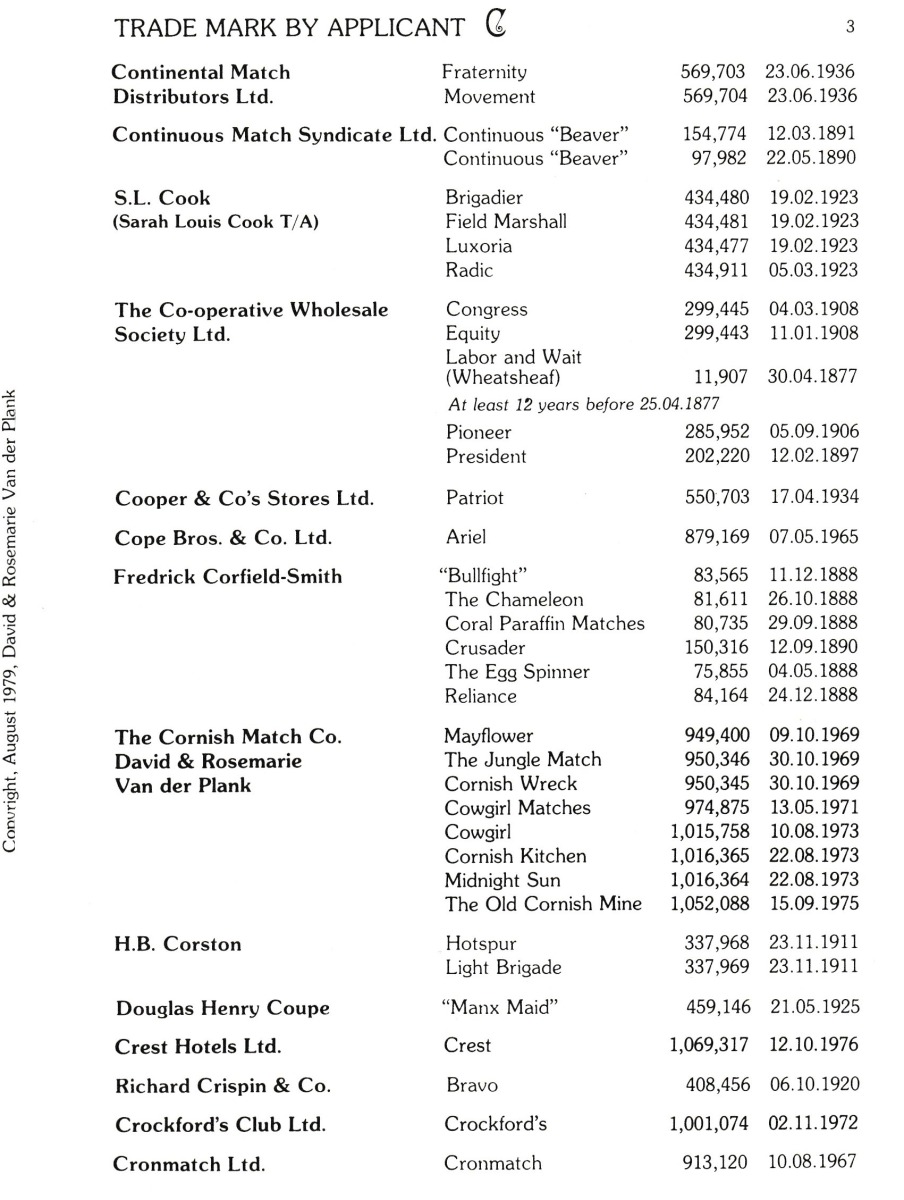
On Thursday 13th May 1971 they submitted the first of two trade mark applications for Cowgirl Matches. When the Trade Mark application was originally submitted the Registrar found the art work extremely realistic and asked who the model was and if she had given written permission for her image to be part of the registration. David explained that the person was imaginary and christened her “Samantha” for the registration process. However, the drawing is actually based on Rosemarie.
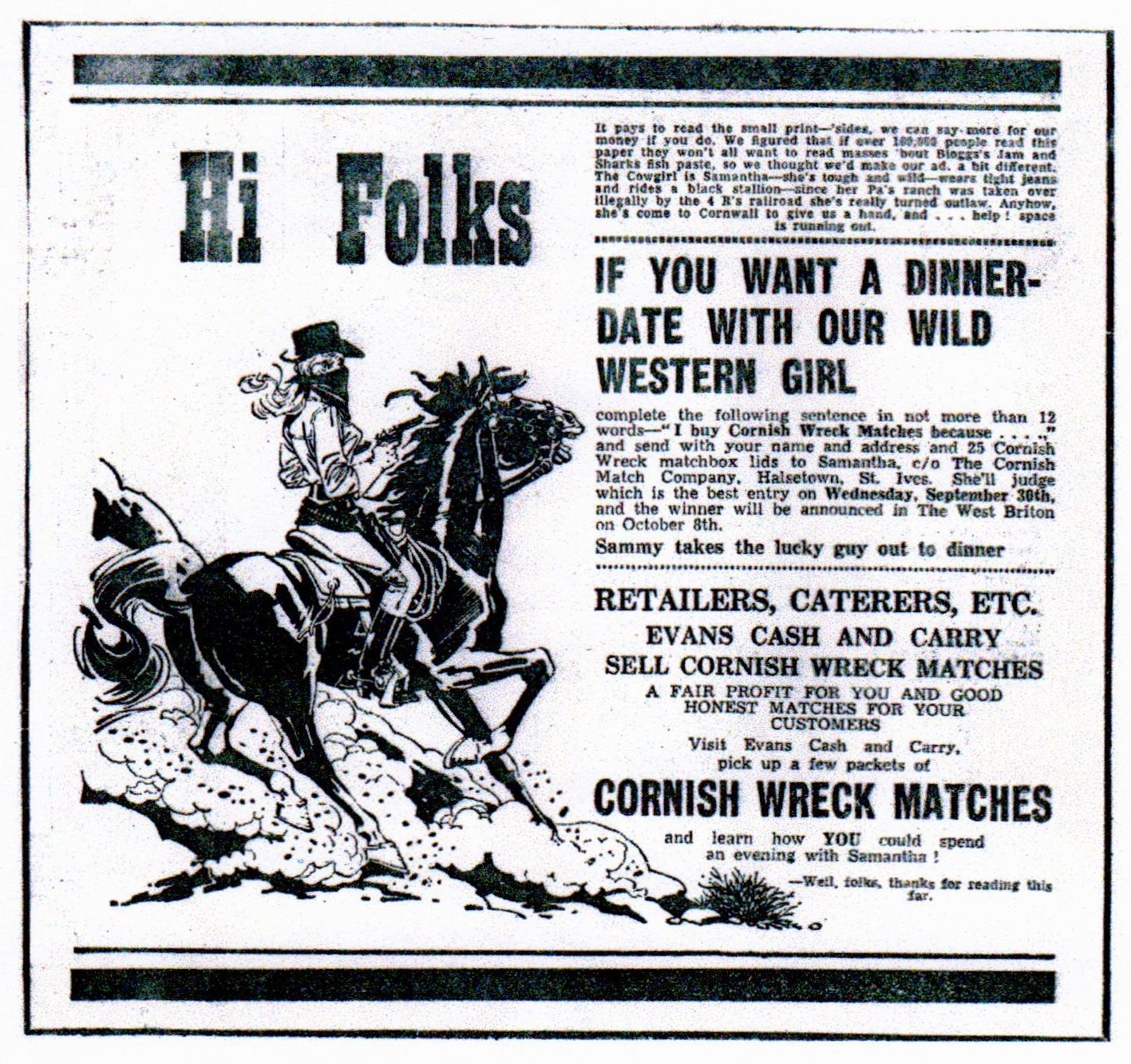
Newspaper advert for Cornish Match, 1970
The company often placed newspaper adverts for their products, and in September 1970 this advert for Cowgirl appeared in the West Briton.
It promised a dinner date with Samantha for the lucky winner of a “Complete the Sentence” competition.
Rosemarie explained that a gentleman from East Cornwall won the prize and that she did meet him for dinner in a bistro in Penzance dressed in full riding gear and a Stetson. The evening went well and the gentleman later sent David a thank you letter.
The Cornish Match Company ceased trading in 1986.
Rosemarie is a regular contributor to Match Label News and is co-author of a number of phillumeny books, including :
The Match Box Collector’s Handbook (1979)
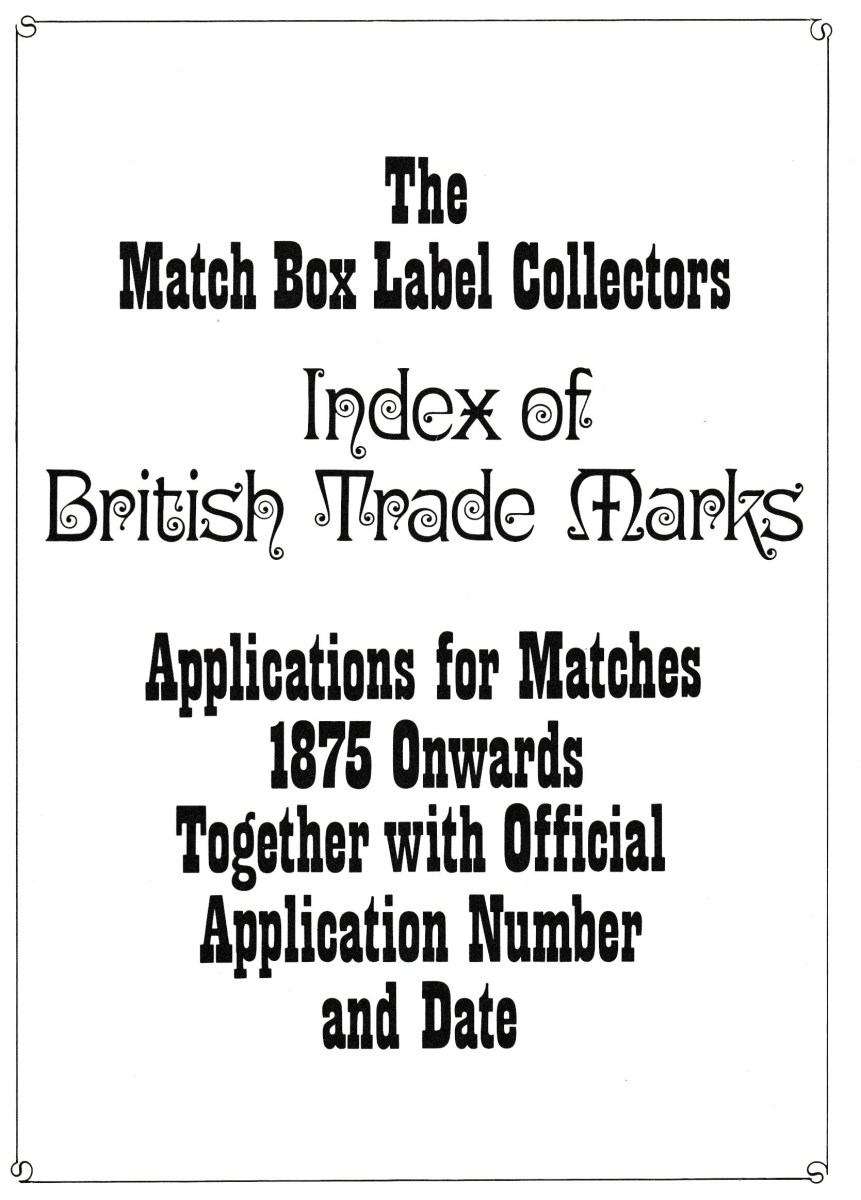
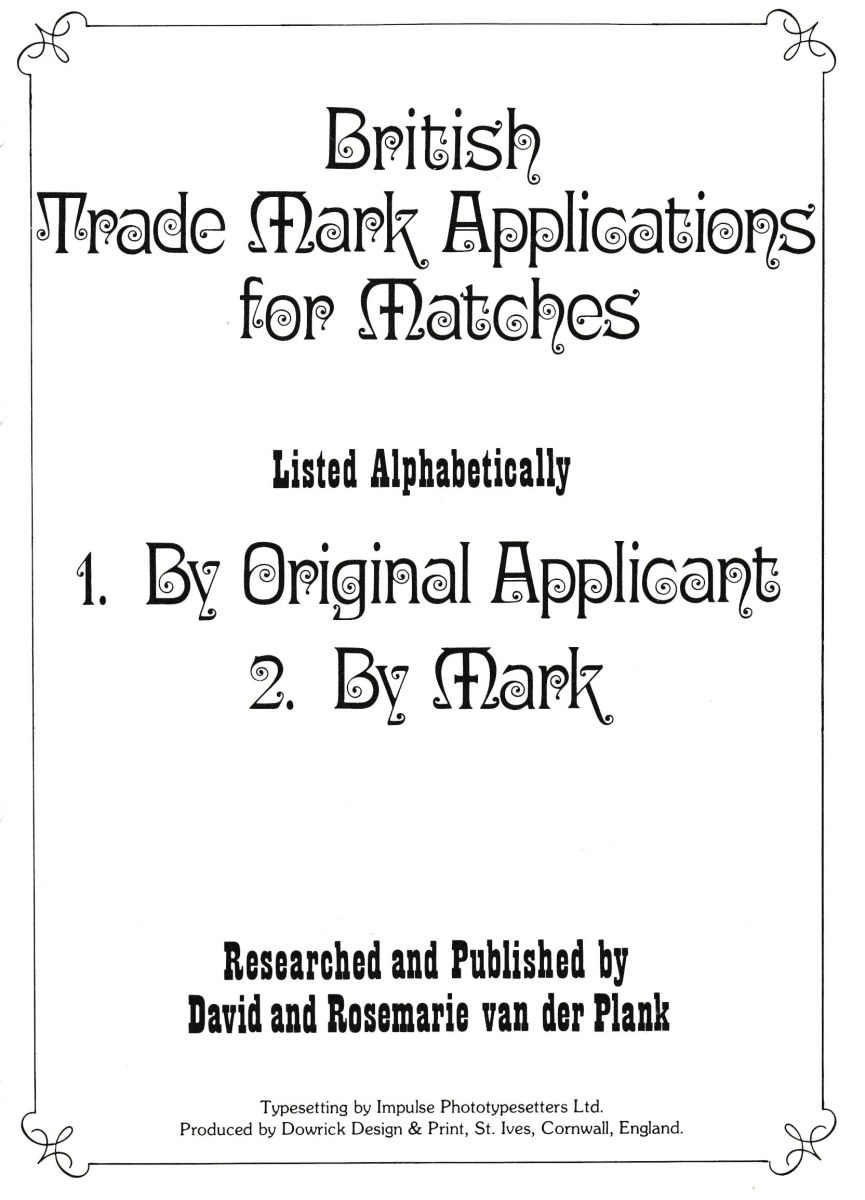
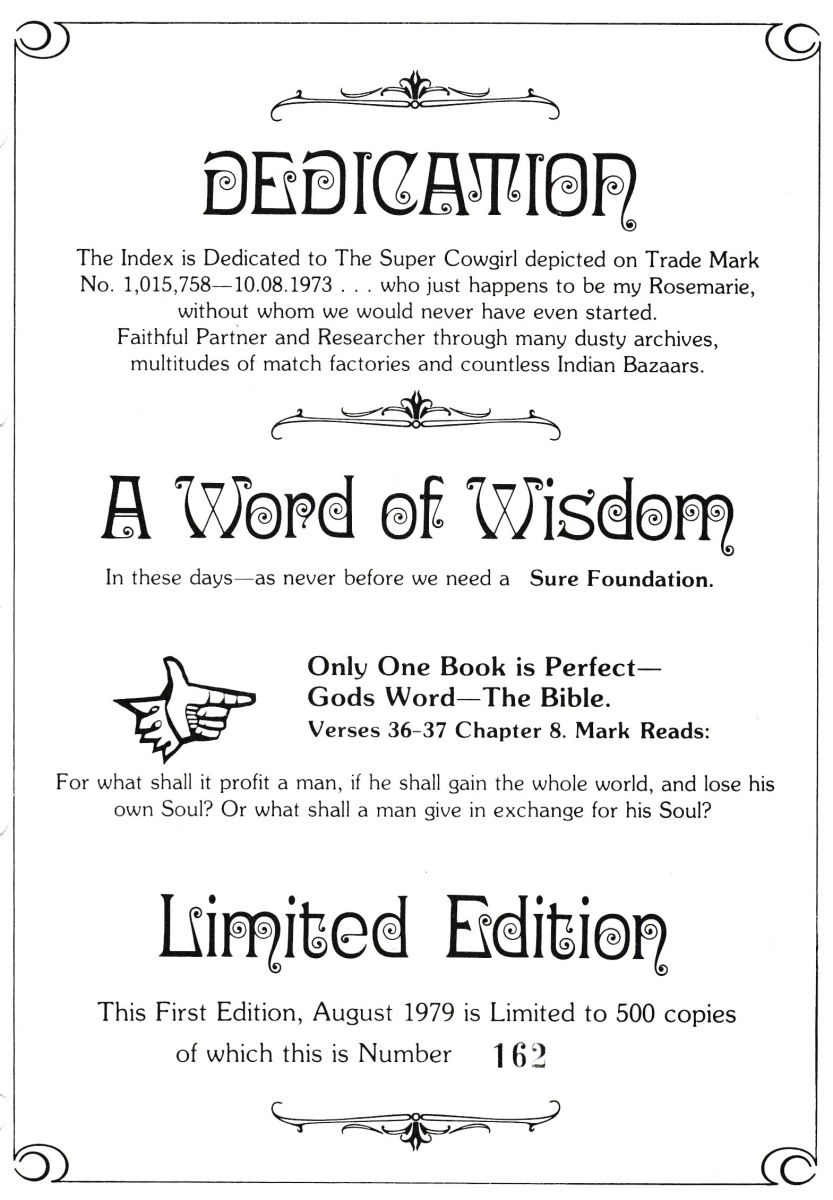
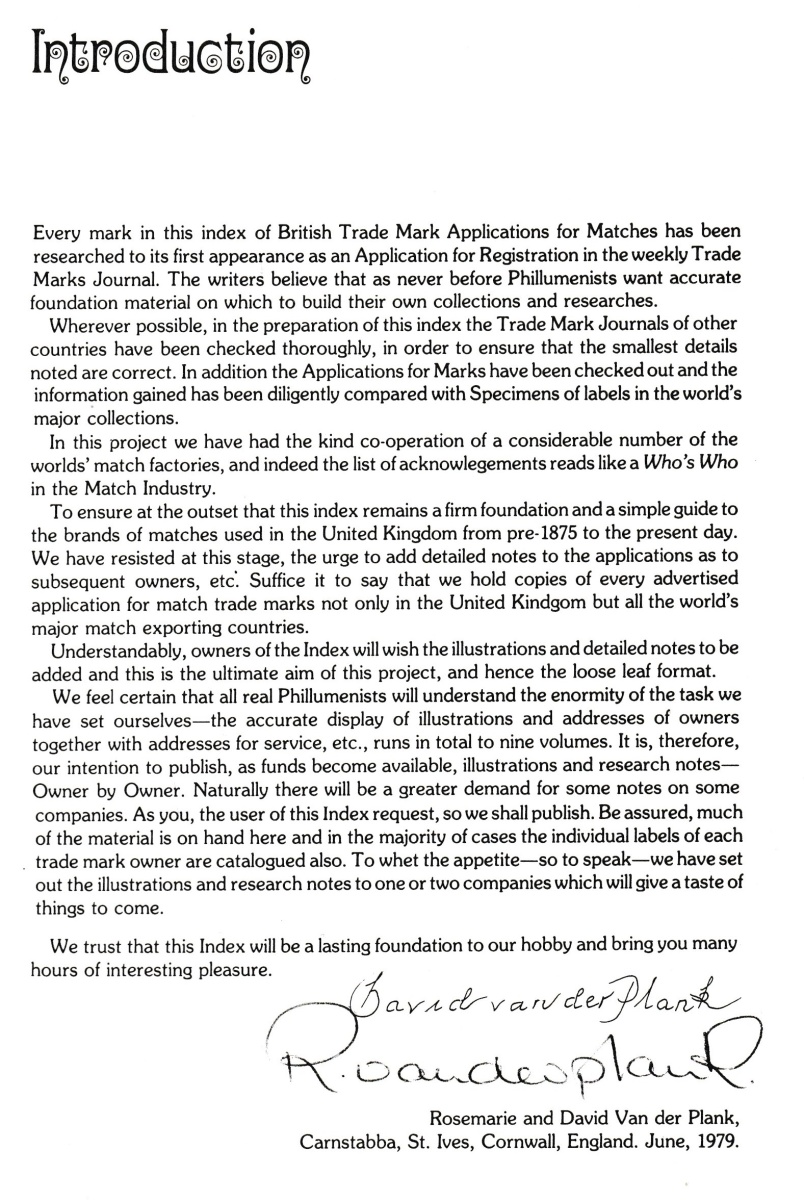
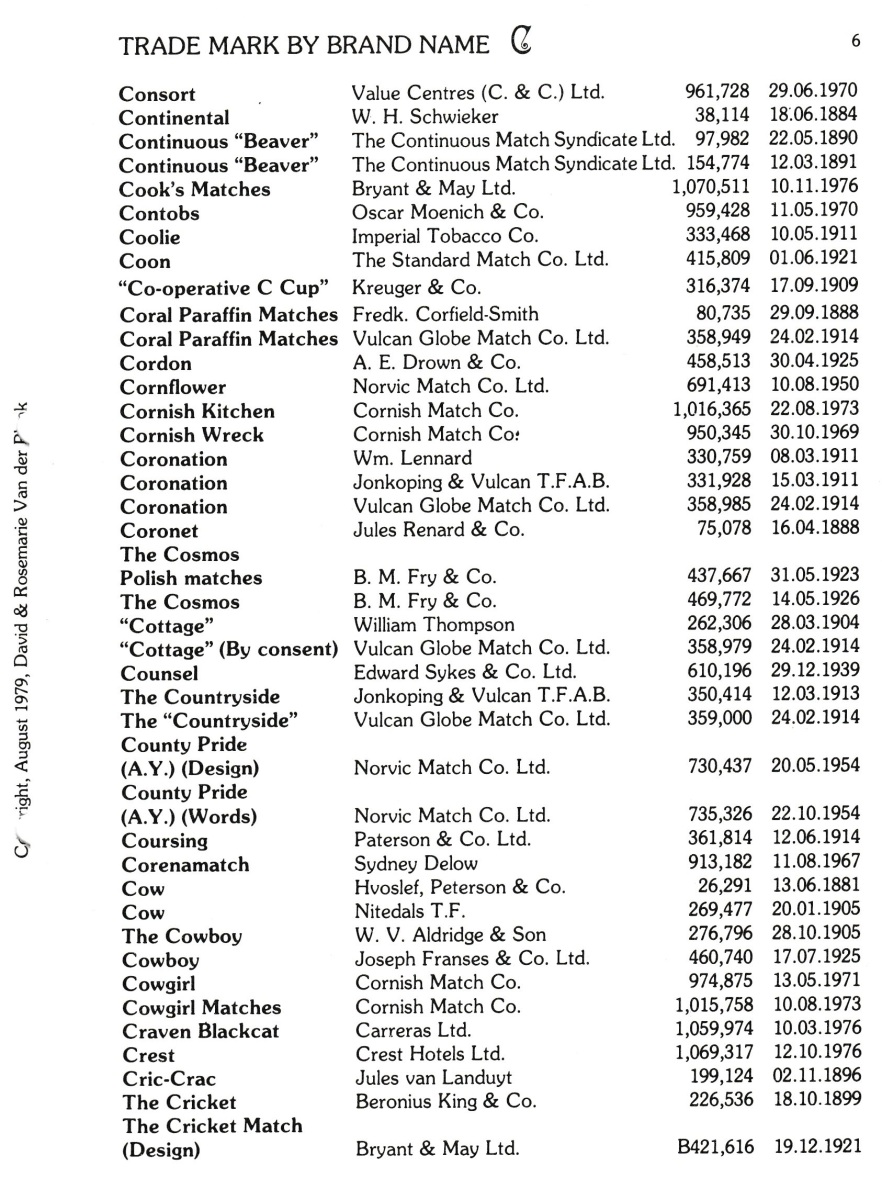
The Match Box Label Collectors Index of British Trade Marks (1979) illustrated below, click on an image below to enlarge it